Crawl Space Water Removal in Union, SC
When rain or a leaking pipe puts water under the floor, the crew pumps the crawl space dry, checks the joists and insulation above it and dries the whole space before the floor system pays the price.
(888) 532-8921Report water under the floor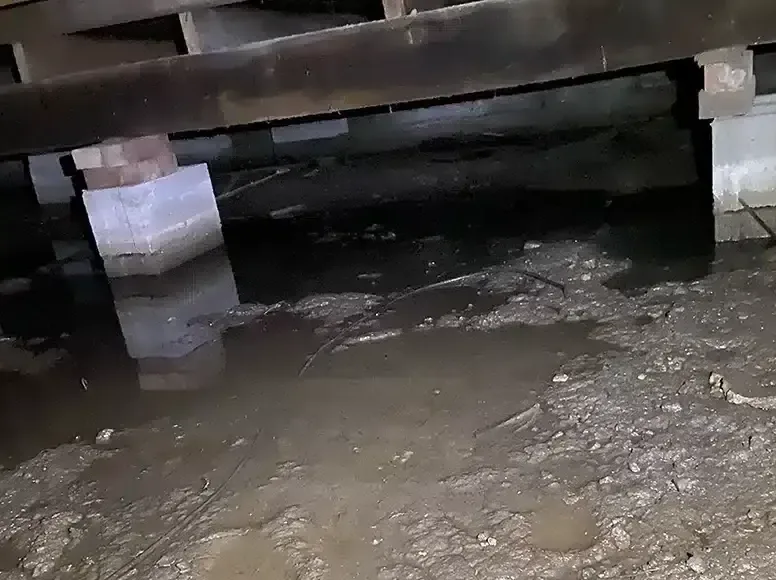
What a proper crawl space water removal job includes
Water damage is a drying problem first. The restoration team measures, extracts and dries to a reading, then records each step so the claim file holds up.
Dispatch at any hour
Active water is treated as urgent around the clock, weekends and holidays included, because drywall and subfloor keep soaking while water sits.
Dried to the IICRC S500 standard
Air movers and LGR dehumidifiers are sized to the class of loss, and materials are dried to within 2 to 4 points of a dry reference.
A claim file from the first visit
Moisture maps, daily psychrometric logs and timestamped photos taken before any demolition go into one file for the adjuster.
Planned for Piedmont houses
Crawl spaces over red clay, older mill houses and manufactured homes each dry differently, so the plan starts from how the house is built.
First steps for crawl space water removal
- Look and measure
The crew checks depth, the source and how far the water reached under the house.
- Pump it out
Submersible pumps drain the space while debris and silt are cleared from the low spots.
- Remove wet material
Soaked insulation and loose debris come out so the joists and subfloor can breathe.
- Dry and verify
Dehumidifiers and air movers run until meters on the framing show dry readings.
What does crawl space water removal cost in Union, SC?
Crawl space cost follows depth, access and what the water touched. A shallow pump-out caught early is the lowest tier, wet insulation and joists land in the middle, and sewage or long-standing water sits at the top.
Pump-out, caught early
- Water pumped out
- Low spots cleared
- Joists metered
Wet insulation and joists
- Insulation removed
- Framing dried
- Daily readings
Sewage or long-standing water
- Contaminated material out
- Cleaning and sanitizing
- Extended drying
Ranges are typical, not a quote. Water category, square footage, material class and how fast drying started move the number most. Try the water damage cost calculator for a closer range.
How crawl space water removal is handled, step by step
- 1
Measure
Depth, source and spread are mapped under the floor.
- 2
Pump
Water leaves through hoses to a safe discharge point.
- 3
Strip
Ruined insulation comes out of the joist bays.
- 4
Dry
Dehumidifiers run until the framing reads dry.
A crawl space is the part of a house nobody sees until the floor above feels soft or a musty smell drifts up. Water can sit there for weeks, wetting insulation and wood from underneath, so the first job is to find out how much is down there and where it is coming from.
What the crew checks underneath
- Depth and spread of the water, and whether it drains or ponds.
- Insulation that has absorbed water and now pulls on the floor above.
- Joists, beams and subfloor, probed and metered for hidden moisture.
- Ductwork, wiring and pipes in the space that sit close to the water.
Hear water under the floor, or smell dampness? A crew can check the space and explain what the pumps and dehumidifiers will do.
(888) 532-8921Ask a crew to look underWater below, trouble above
Moisture rises. Wet ground and soaked insulation feed humidity upward into the subfloor, where hardwood cups, vinyl lifts and a stale odor spreads through the rooms. The crew removes the water first, then pulls ruined insulation so the framing can actually dry instead of staying damp under a blanket of wet material.
Drying the space for good
Dehumidifiers and air movers run in the opened space until moisture readings on the joists settle. Then the crew tells the homeowner what is still feeding the water, because a dry crawl space that gets wet again is a repeat bill. Ground that stays soggy can point to a gutter or pipe problem that needs its own fix. Related work: water extraction, or the crawl space water removal overview.
Crawl space water removal across Union and nearby towns
Crawl space jobs run across ZIP 29379, from the older streets near East Main Street and Douglass Heights to the mill-village homes around Buffalo, wherever water has collected beneath a floor.
The same service nearby: crawl space water removal in Gaffney, Spartanburg, Kings Mountain.
Related water damage services in Union
Common questions about crawl space water removal
How do I know there is water in my crawl space?
Signs include a musty smell, soft or cupping floors, higher humidity indoors and standing water visible at the access hatch. A moisture meter on the subfloor confirms it without guessing.
Is crawl space water always from rain?
No. A leaking supply pipe, a failed drain or an appliance can also send water under the house. Finding the source decides whether the fix is pumping, plumbing or both.
Does wet insulation have to be replaced?
Usually yes. Once fiberglass or batting is soaked it sags, holds water against the wood and rarely dries well in place, so the crew removes it to let the joists dry.
Can water under the floor cause mold?
Yes, mold can start in a day or two on damp wood and insulation. Quick pump-out and drying are the best defense, and readings confirm the wood has returned to a normal level.
What about sewage in the crawl space?
A sewage leak is a contaminated loss, so the crew wears protection, removes affected material and cleans the space. See sewage backup cleanup for how that work is done.
Will the floors above be damaged?
Often they are not, if the water is removed early. Hardwood and subfloor can warp when the space below stays damp, so drying the crawl space protects the finished floors above.
A wet crawl space does not dry itself
Pumps, dehumidifiers and meters keep the floor system from soaking up what sits below it. Call and describe the space.
(888) 532-8921Get the crawl space pumped