Water Damage Restoration Union, SC
Burst pipes, sewage backups, roof leaks and storm water all end the same way: wet floors, wet walls and a clock running. Local drying crews pull the water out, dry the structure and document the loss for the claim.
(888) 532-8921Describe the water to a drying crewEvery job opens with the water source, a moisture check and a plain scope of work before anything gets torn out.
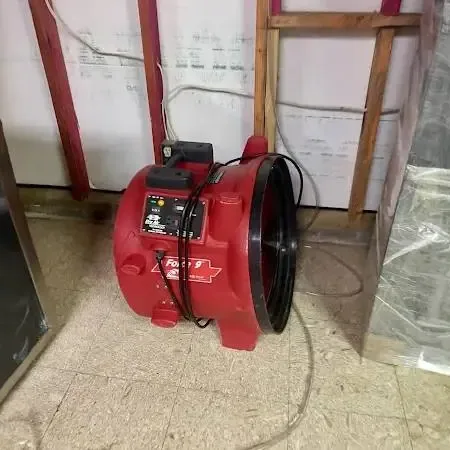
Water problems the crews handle here
Each service below covers one kind of water loss, from a supply hose that let go to a soaked crawl space or a leaking commercial roof.
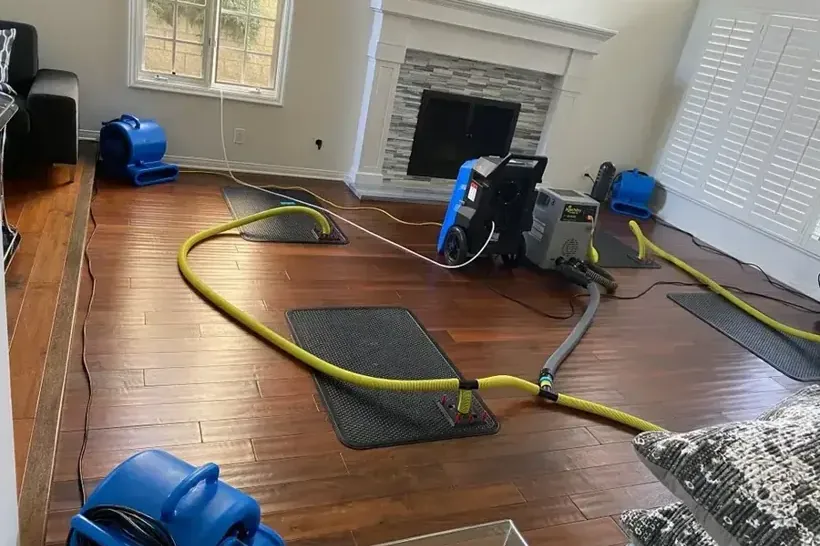 01Water Extraction and RemovalPumps and wand extractors pull standing water off floors and out of carpet pad before it wicks into baseboards and subfloor.See the service
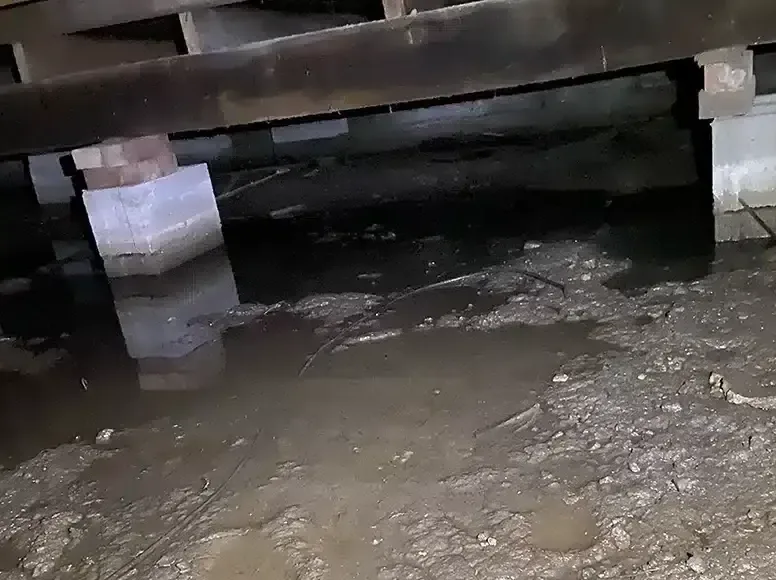 02Crawl Space Water RemovalWater under the floor gets pumped out, wet insulation and joists are checked, and the space is dried before the floor above suffers.See the service
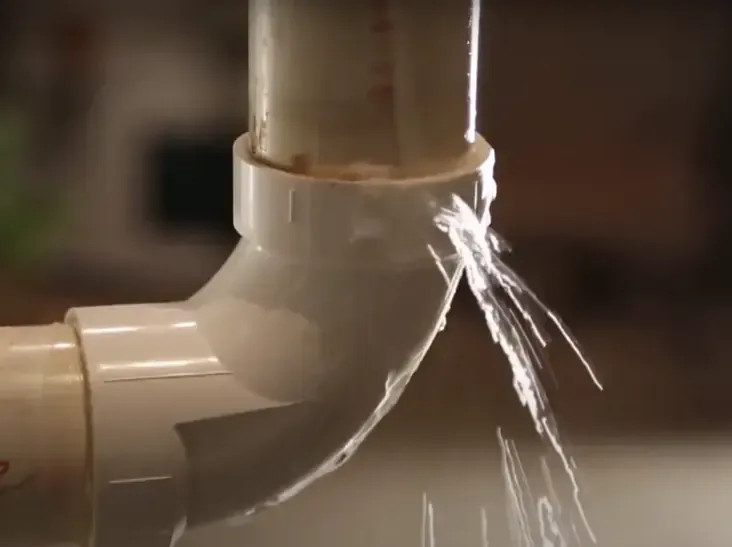 03Frozen and Burst Pipe Water DamageA split pipe can soak a wall cavity and the ceiling below, so shutoff, extraction and drying plans all begin together.See the service
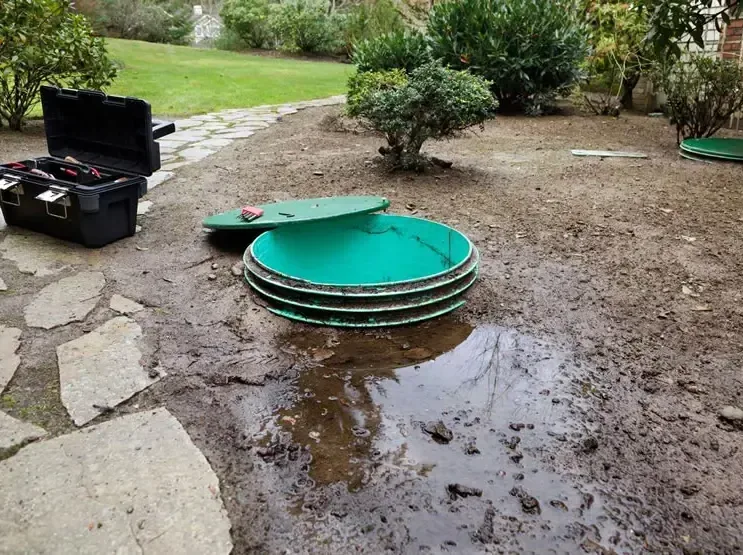 04Sewage and Septic Backup CleanupContaminated water is contained, removed and cleaned with antimicrobial treatment, and porous materials that touched it are cut out and bagged.See the service
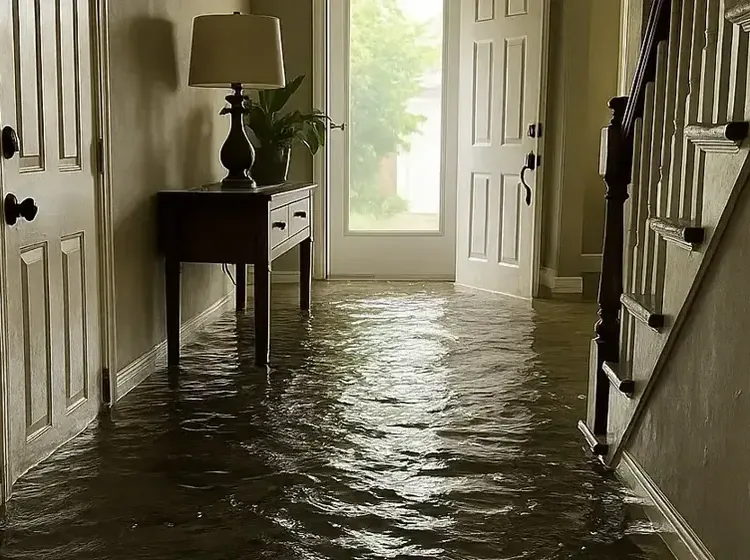 05Storm and Flash Flood CleanupRising storm water carries mud and debris indoors, so the cleanup covers extraction, removal of ruined materials and full drying.See the service
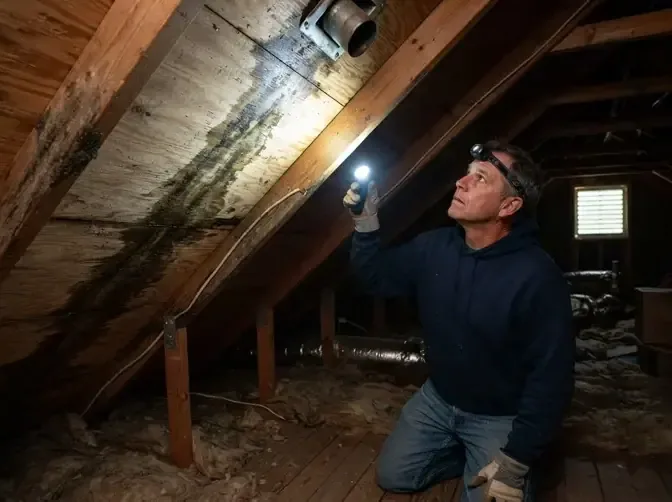 06Roof Leak Water DamageRain that gets past shingles or flashing soaks insulation and ceilings first, so the crew traces the wet path and dries it.See the service
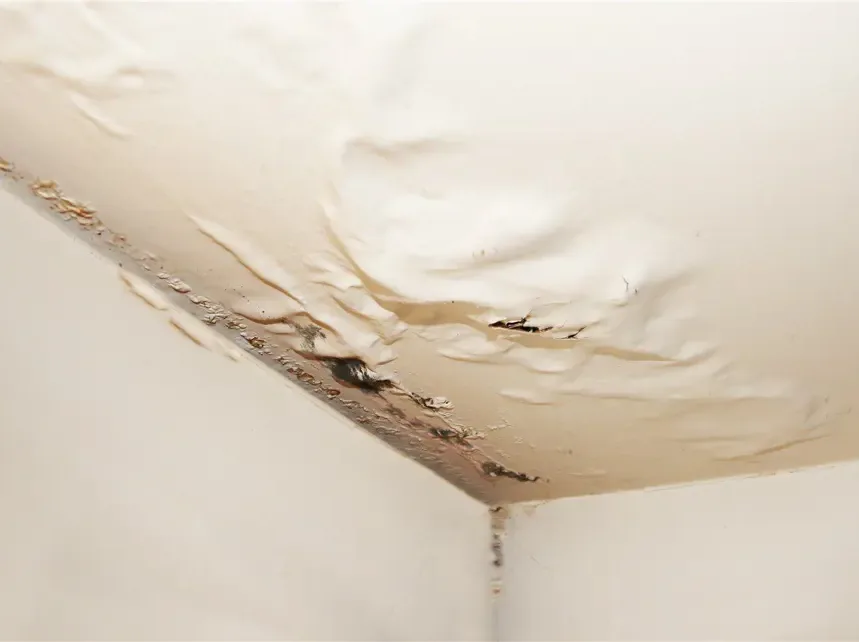 07Ceiling Leak Water DamageA stained or sagging ceiling means water is trapped above it, so the crew opens it carefully, drains it and dries the cavity.See the service
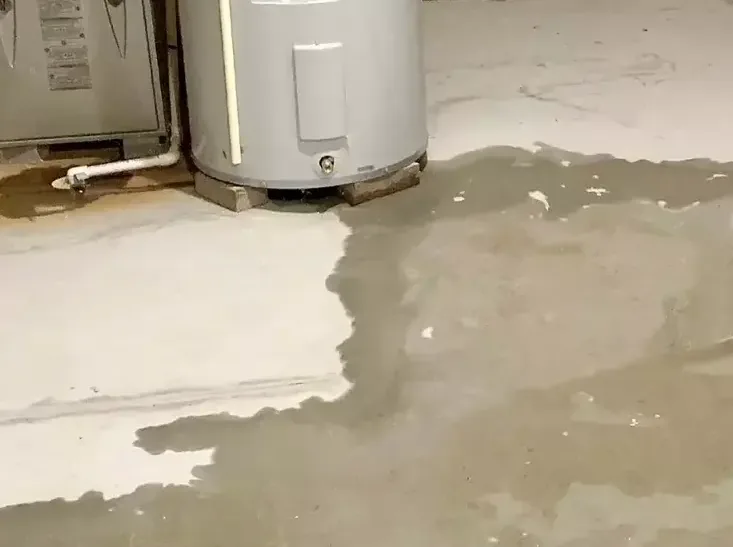 08Water Heater Leak CleanupA failed tank or fitting can spread water across a closet, garage or hallway, and cleanup covers extraction, wet drywall and drying.See the service
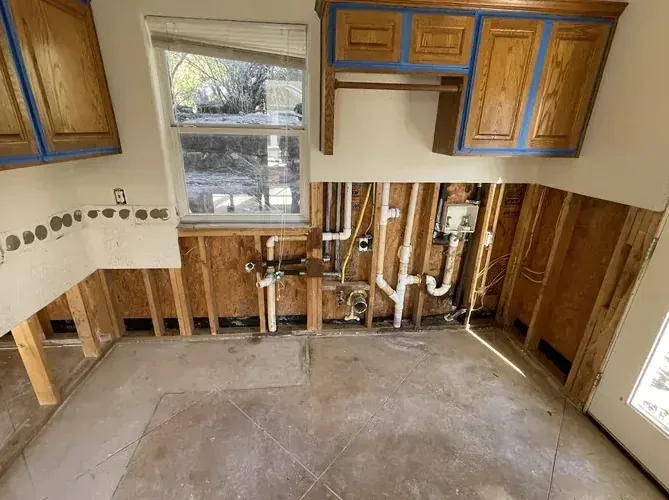 09Appliance and Supply Line LeaksDishwashers, washers, ice makers and supply hoses leak quietly, so the work follows the water under cabinets and flooring.See the service
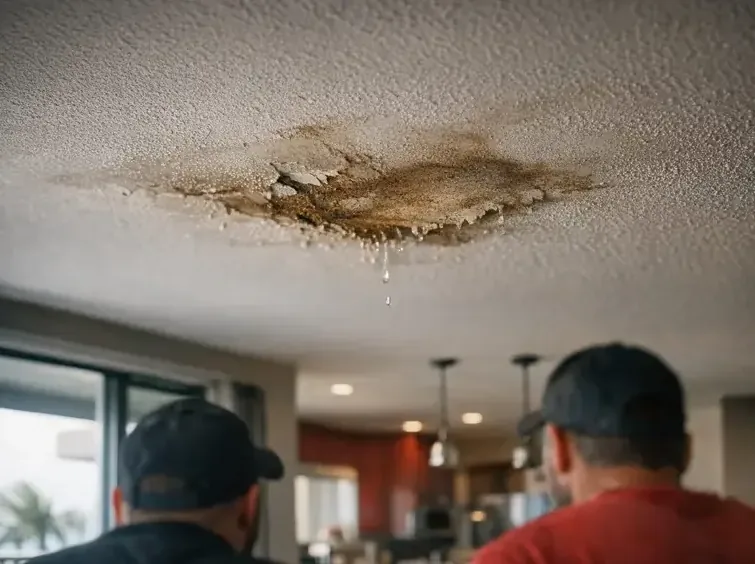 10Manufactured Home Water DamageWater in a manufactured home runs through floor decking and wall cavities, so extraction and drying focus on those tight spaces.See the service
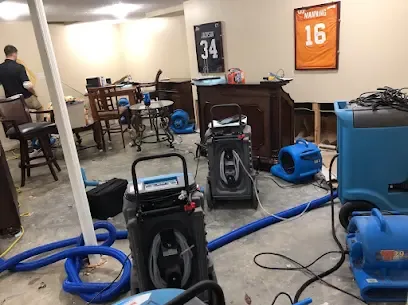
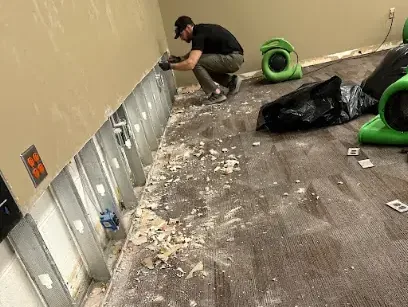 11Structural Drying and DehumidificationAir movers, dehumidifiers and daily moisture readings dry wet framing, subfloor and walls until the readings return to normal.See the service
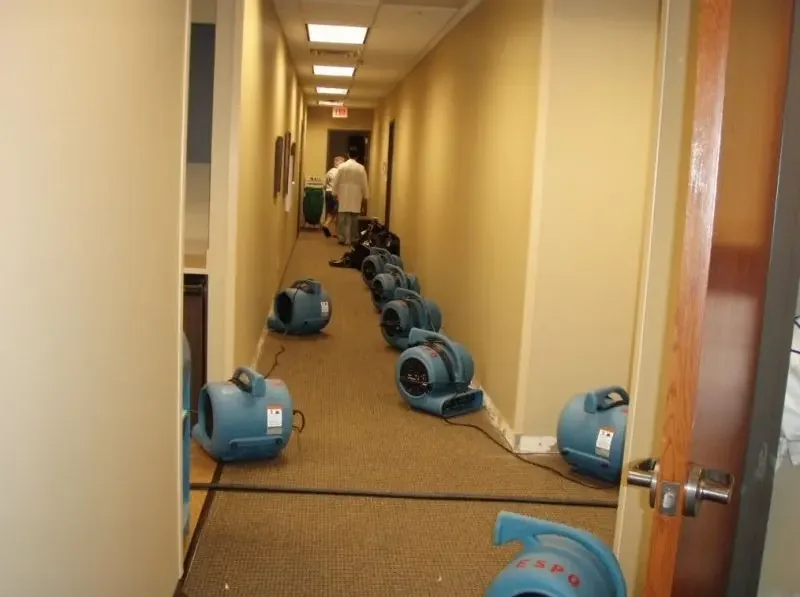 12Commercial Water DamageOffices, shops and institutional buildings need a plan that protects inventory, keeps traffic areas workable and dries large floors.See the service
Four habits that separate drying from guesswork
Older houses hide water in places a quick look misses. A crew that measures, documents and explains the work gives the homeowner something solid to hand the adjuster.
Moisture mapping
Meters read floors, walls and framing so the wet area is marked on a map instead of guessed from the stain.
Photo records
Dated photos and readings are taken before, during and after the dry-out, which a claim file needs.
Containment for dirty water
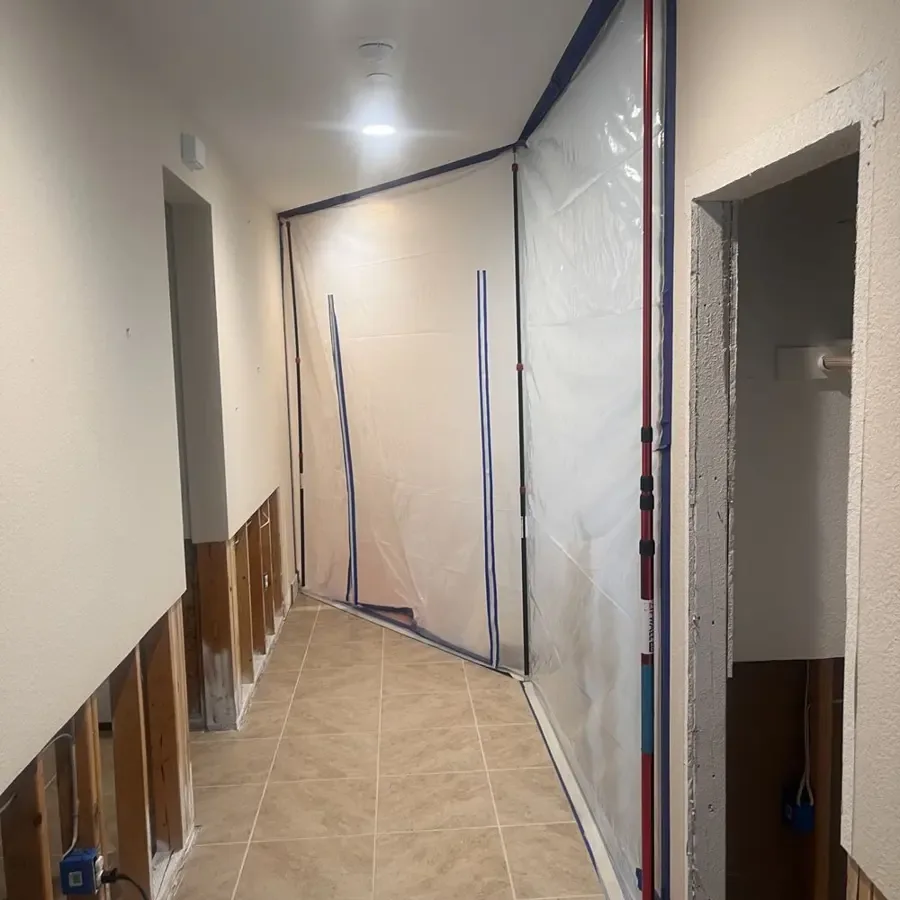
Sewage and gray water stay behind plastic sheeting and out of clean rooms while the area is cleaned.
A plain scope of work
The homeowner sees what comes out, what stays and how long the drying should run before work begins.
Tools that do the drying work
Drying is a matter of airflow, humidity and time, and each tool covers one part of that. The crew sets the equipment, checks it daily and adjusts as the readings change.
- Extraction first: Pumps and wand extractors remove standing water and wring out carpet pad, so the dehumidifiers are not fighting a puddle.
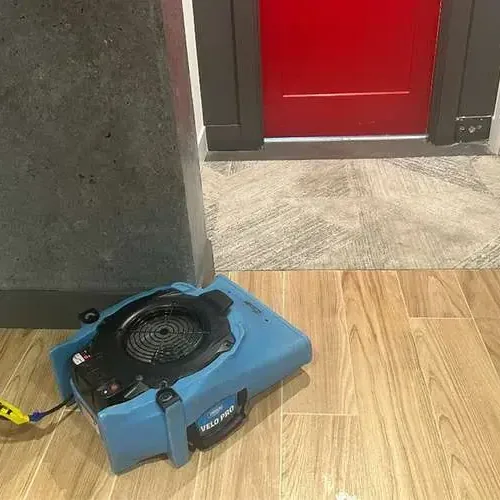
- Air movers: Low, fast air across floors and into opened wall bays lifts moisture out of old wood, plaster and drywall alike.
- Dehumidifiers: Machines pull moisture out of the air so it does not settle back into cabinets, trim and framing overnight.
- Moisture checks: Meters are read at the same spots on every visit, and the equipment stays until those readings match dry material in the same room.
Water damage work in a town of mill villages
The Buffalo mill village near Union ranges from Queen Anne style supervisor houses to simple one-story workers' houses, with older buildings along East Main Street downtown. Water finds the gaps in construction like that, so the crew reads the building first.
Different finishes dry at different speeds, so readings rather than appearances set the schedule. Plaster, thick trim and layered floors need patience. Start with water extraction, or go straight to structural drying when the water is already out.
Browse every area crews coverWhat water damage cleanup usually costs
Cost follows how much water there is, what kind it is and how far it spread. A small, early job stays low, while sewage or a long hidden leak pushes the bill toward the top of each range.
A single wet room
- Extraction and drying
- Moisture readings logged
- Basic cleanup
Several rooms or a ceiling
- Wet drywall removed
- Longer drying run
- Flooring decisions made
Whole floor or sewage
- Contaminated materials out
- Containment and cleaning
- Extended monitoring visits
These ranges are typical, not quotes. A written scope after the first visit sets the real figure for the home, and each service page, such as burst pipe damage, lists its own ranges.
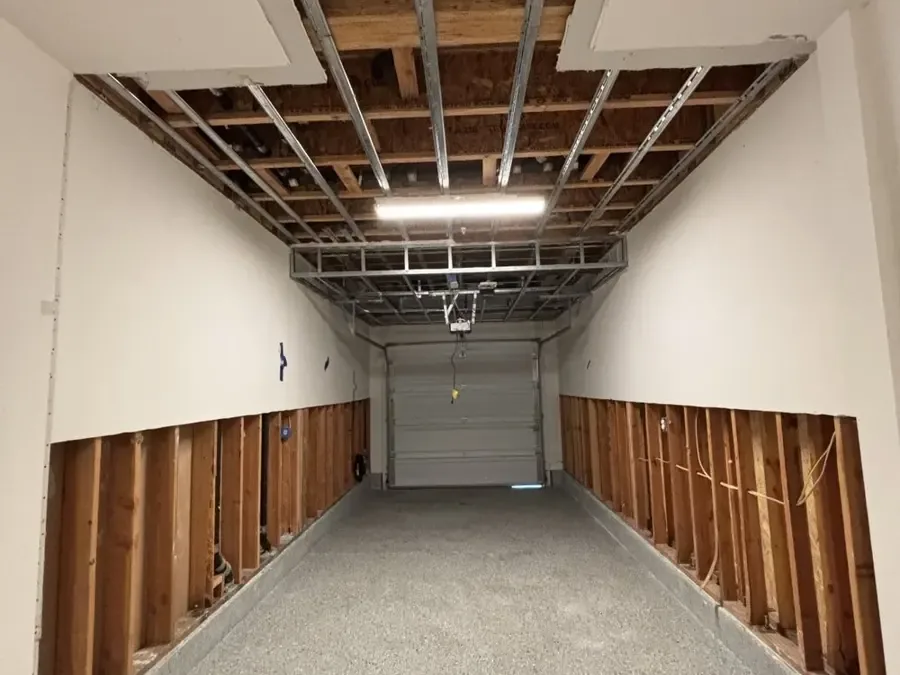
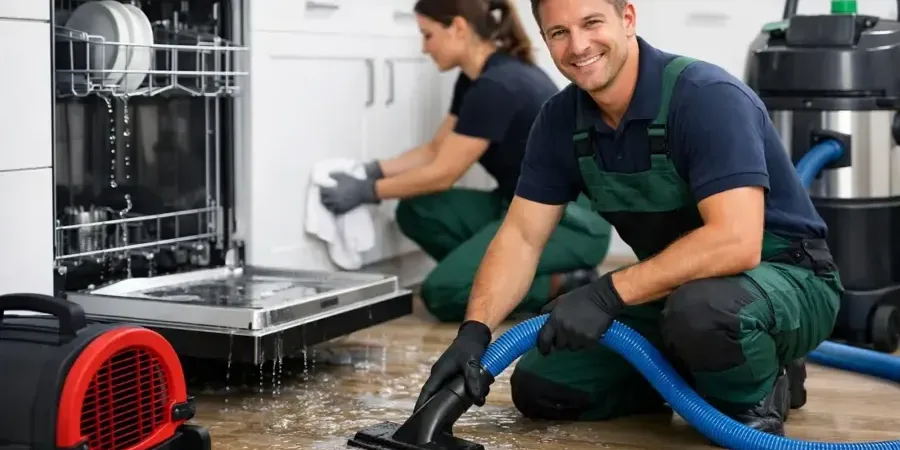
What the work looks like once the water is out
Building a solid claim file
Adjusters want proof of what was wet, when it happened and what the work cost. The crew builds that record while the drying is under way.
- Photos of every wet room before anything is moved
- The date and cause of the loss, written down
- Moisture readings for each wet surface
- A list of removed materials and damaged contents
- Itemized invoices and daily drying logs
What the homeowner can do
Call the insurance company early, describe the loss plainly and ask how the policy treats sudden water against slow seepage. Written notes of the date, the cause and who was contacted help later.
Keep receipts, hold on to damaged items an adjuster may want to see and photograph flooring before it is thrown out.
What to do when water first shows up
- Stop the water: Close the main valve or the fixture valve. If rain or the roof is the source, skip to the photo step.
- Make the area safe: Turn off power to wet rooms at the breaker if it is safe to reach, and keep children and pets out of standing water.
- Photograph the damage: Take wide and close photos of the source, the wet surfaces and any soaked belongings before anything moves.
- Move what can move: Lift furniture off wet carpet, set small items aside and open cabinet doors so air reaches the walls.
- Call a drying crew: Describe the source and what it touched so the crew brings the right pumps and drying equipment.
Coverage across Union and the mill villages
Streets and districts
Nearby towns served
Water damage crews serving Union, SC and the surrounding county
Crews work out from ZIP 29379 to cover the county seat, the mill villages and the older streets around downtown.
Call, describe the water, and the crew will say whether extraction, drying or sewage cleanup comes first.
(888) 532-8921Talk to a local crew now
Why leaks run long in older housing
Water trouble here comes from age, rain and empty rooms. Older mill-village houses, the creek at Buffalo and homes where one person lives alone each change how a leak spreads and how long it goes unseen.
- Older mill-village houses: The Buffalo mill village mixes Queen Anne supervisor houses, shingle-style bungalows and one-story workers' houses, and each handles a roof or pipe leak a little differently.
- Buffalo Creek and long rain: Buffalo Creek runs beside the Buffalo mill village, so after a long rain soaked ground and wet crawl spaces are worth checking early.
- Sewer work and rain water: The sewer plans for 60 homes and two churches in Buffalo and Excelsior included hopes of easing rainwater infiltration, yet a backup inside a building still needs a real cleanup.
- Quiet houses, long leaks: About 37.3% of households are one person living alone, so a leak in a quiet or empty house can run for days before anyone sees a stain.
- Older downtown buildings: East Main Street buildings such as the Fair Forest Hotel and the Union County Carnegie Library show the older, larger structures where a roof or pipe leak can travel far unseen.
March 2023 Union City Council approved a $955,000 city match to finish sewer upgrades in Buffalo, Excelsior and the Union Mill area.
Clean, gray and black water need different handling
The category of water decides how much gets removed and what protection the crew wears, so the first question is always where the water came from.
Clean water
A split pipe or failed supply fitting starts clean, and early drying often saves drywall, trim and flooring that would otherwise have to be replaced.
Burst pipe cleanupGray water
Washers, dishwashers and water heaters release used or aging water that carries soil, so it should not be left sitting on materials.
Appliance leak cleanupBlack water
Sewage and flood water from outside carry bacteria, so porous materials come out and the area is treated before any drying begins.
Sewage backup cleanupWater damage questions
How fast does water damage get worse?
Wet drywall, pad and wood start to swell and stain quickly, and mold can begin in a day or two. That is why extraction and drying come before any repair work, and why waiting costs more than it seems.
What does water damage restoration in Union include?
Crews find the source, extract standing water, remove materials that cannot be saved, dry the structure with air movers and dehumidifiers and log moisture readings until the framing is dry. Cleaning and a written scope round it out.
Can wet flooring and drywall be saved?
Often, when the water was clean and the drying began early. Solid wood and sealed drywall may dry in place, while soaked pad, insulation and anything touched by sewage is removed instead of dried.
How is a sewage backup handled differently?
Sewage is contaminated, so the area is contained, the water is removed with protective gear and porous materials are bagged. Antimicrobial cleaning comes before drying. See sewage backup cleanup for the steps.
Do older mill-village houses dry differently?
Often they do. Layered floors, thick trim and plaster take longer to dry than new drywall, so moisture readings decide how much is opened and how long the equipment runs in each room.
What if a leak happened in an empty house?
A leak in a quiet house can run for days, and about 37.3% of households here are one person living alone. The cleanup then covers more rooms, so call as soon as the water is found.
Does homeowners insurance cover water damage?
Policies usually treat sudden, accidental water differently from slow seepage or outside flooding, so the wording matters. Photos, readings and invoices from the crew give the adjuster a clear record to work from.
How much does water damage cleanup cost?
Typical jobs run from $1,200 for a single wet room caught early to $25,000 or more for a whole floor or a sewage loss. A written scope after the first visit sets the real figure for the home.
Who handles commercial water damage?
The same crews dry offices, shops and institutional buildings, protect inventory and records where possible and keep the loss documented for the carrier. See commercial water damage for more.
What should be done before the crew arrives?
Stop the water if it is safe, switch off power to wet rooms, photograph everything and lift small items off wet floors. Then leave the rest to the crew, since the equipment does the real drying.
Wet floors and walls in Union need a drying plan, not a wait
Describe the water, the rooms and the cause, and a local crew will lay out extraction, drying and cleanup steps.
(888) 532-8921Call the drying crew