Water Damage Restoration Spartanburg, SC
A burst pipe, a backed up drain or a swollen creek can soak a floor quickly. The extraction crew and the drying team handle wet homes and businesses from Northside to Beaumont Village.
(888) 532-8921Describe the water, call nowDescribe what is wet and where the water came from. The response team plans the extraction and drying from there.
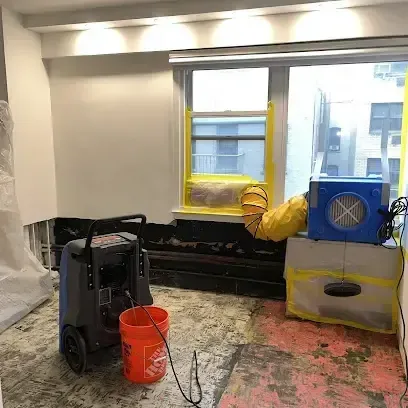
Twelve kinds of water trouble, covered
Start with the problem that matches what is wet, whether that is a soaked crawl space or a flooded storefront. Every service has its own steps and price ranges.
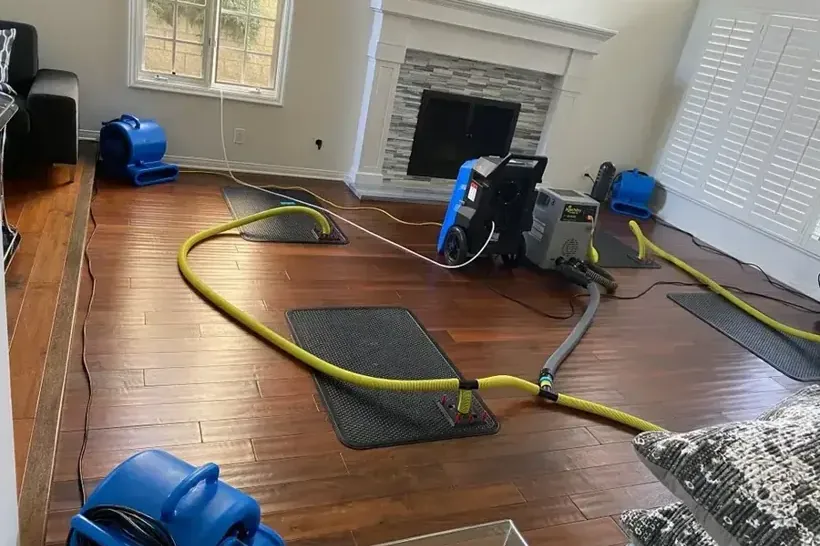 01Water Extraction and RemovalPumps and wands pull standing water from floors and carpet after heavy rain, before it creeps into the walls.See the service
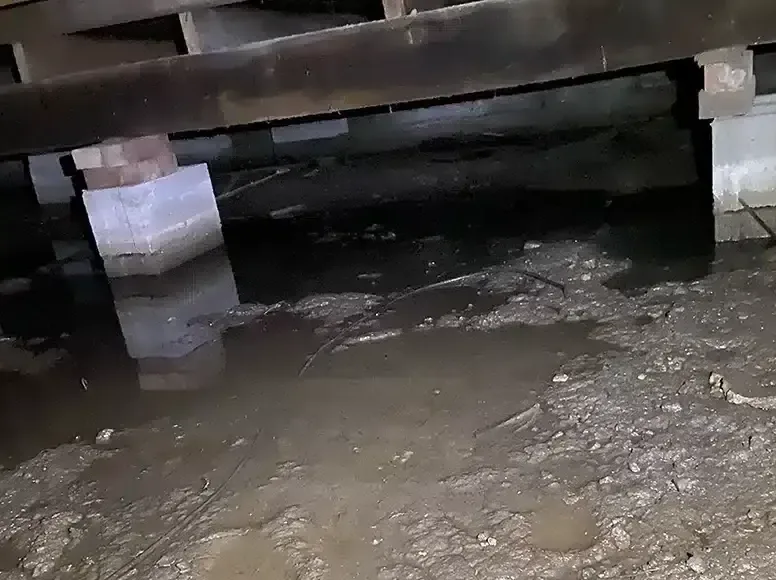 02Crawl Space Water RemovalWater pooled under the floor is pumped out, then joists, subfloor and wet insulation are checked for moisture.See the service
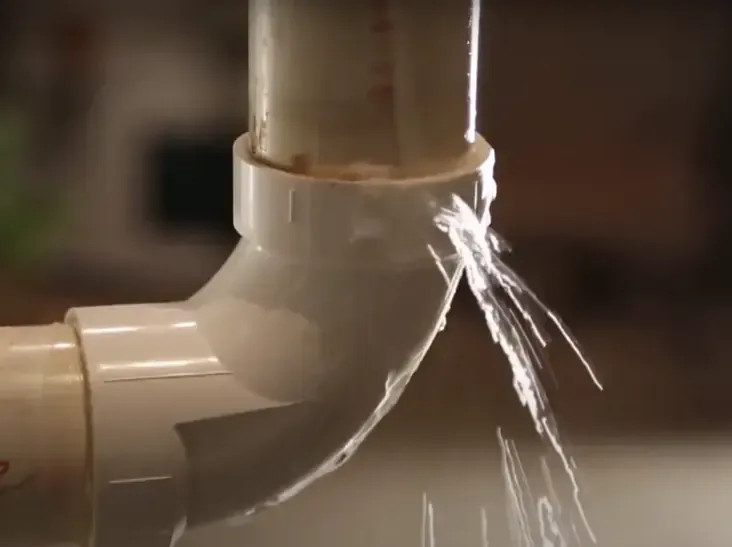 03Frozen and Burst Pipe Water DamageA cracked pipe can pour into a wall cavity unnoticed. The crew finds the wet framing and dries it.See the service
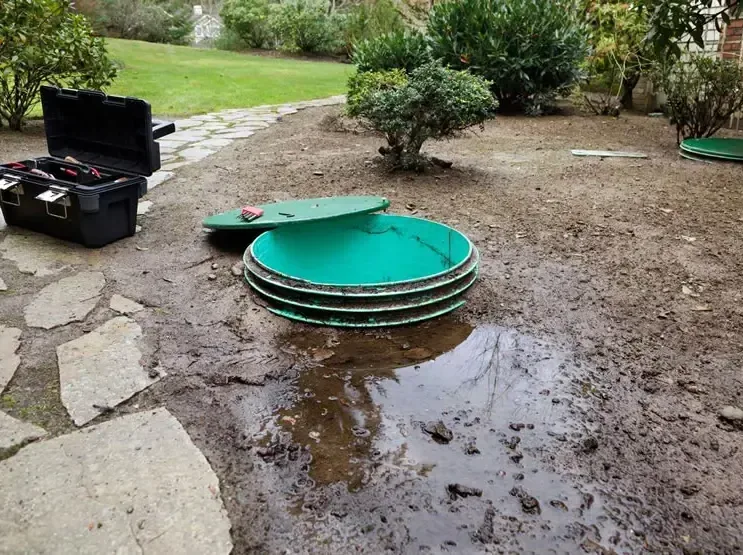 04Sewage and Septic Backup CleanupBacked up sewage is handled in sealed work areas, with soaked porous materials removed and every surface disinfected.See the service
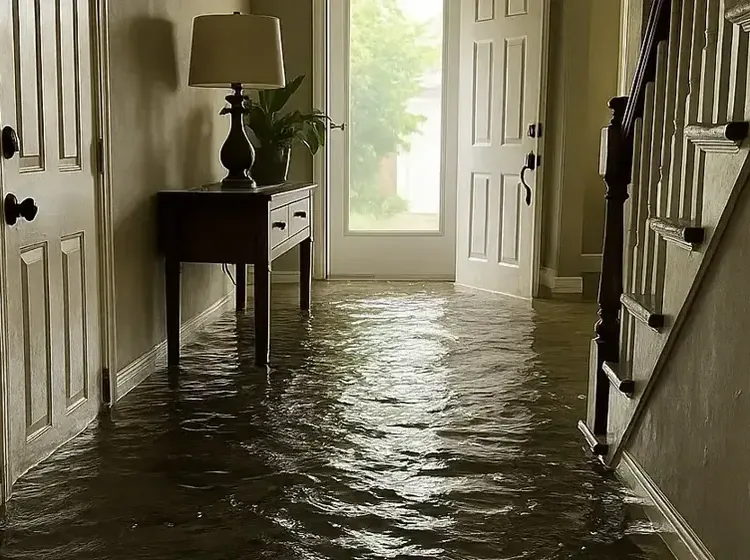 05Storm and Flash Flood CleanupFlash flood runoff carries silt and debris indoors. The team clears it, extracts the water and dries the rest.See the service
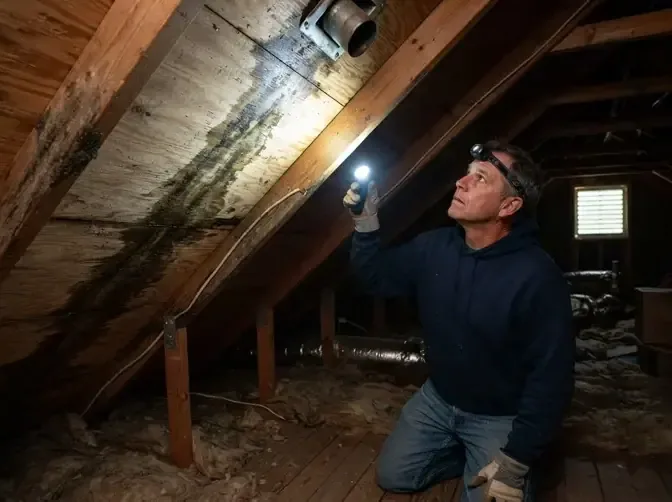 06Roof Leak Water DamageRain through a failed shingle or flashing soaks the attic first. The crew traces the path and dries it.See the service
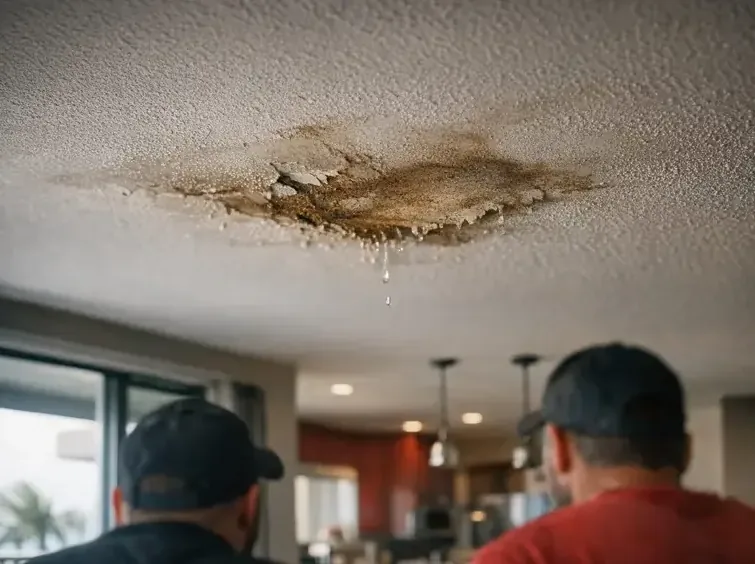
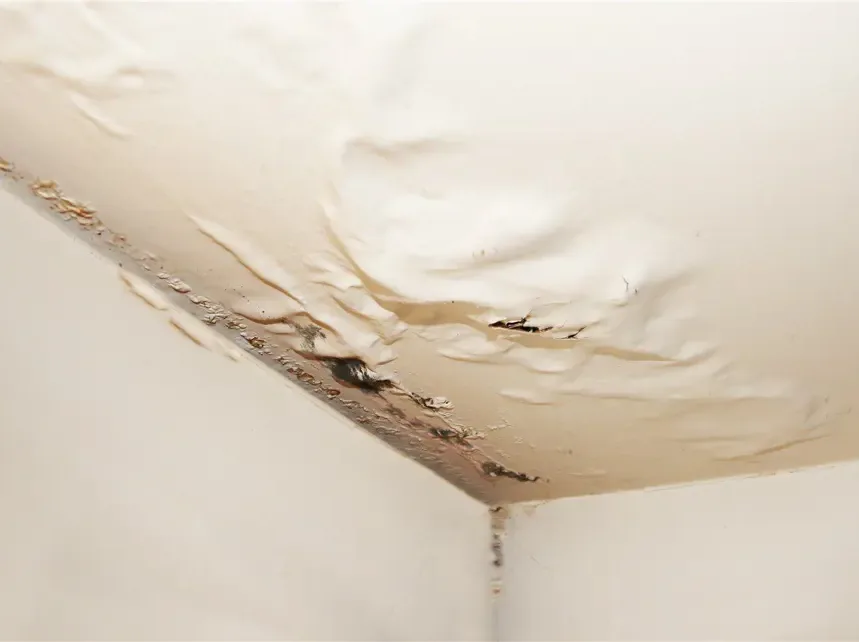 07Ceiling Leak Water DamageA brown stain or sagging drywall means water is trapped above. The team opens the ceiling and dries the space.See the service
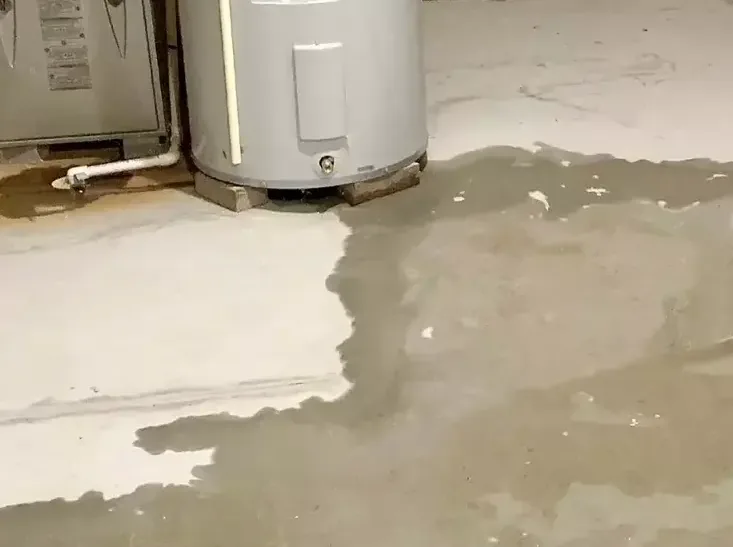 08Water Heater Leak CleanupA failed tank can flood a closet or garage. The crew removes the water and dries the walls and floor.See the service
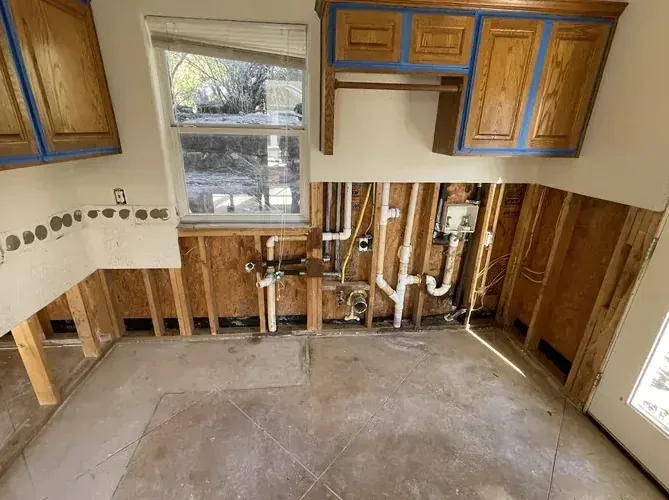 09Appliance and Supply Line LeaksA washer, dishwasher or refrigerator hose can seep behind cabinets for weeks. The crew finds and dries it.See the service
 10Manufactured Home Water DamageLeaks and storm water settle under a manufactured home's floor. The team dries the floor system and what sits above it.See the service
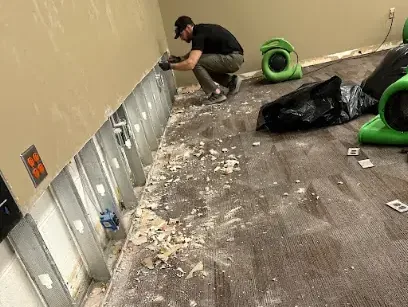 11Structural Drying and DehumidificationAir movers and dehumidifiers pull moisture out of studs, subfloors and plaster until readings return to normal.See the service
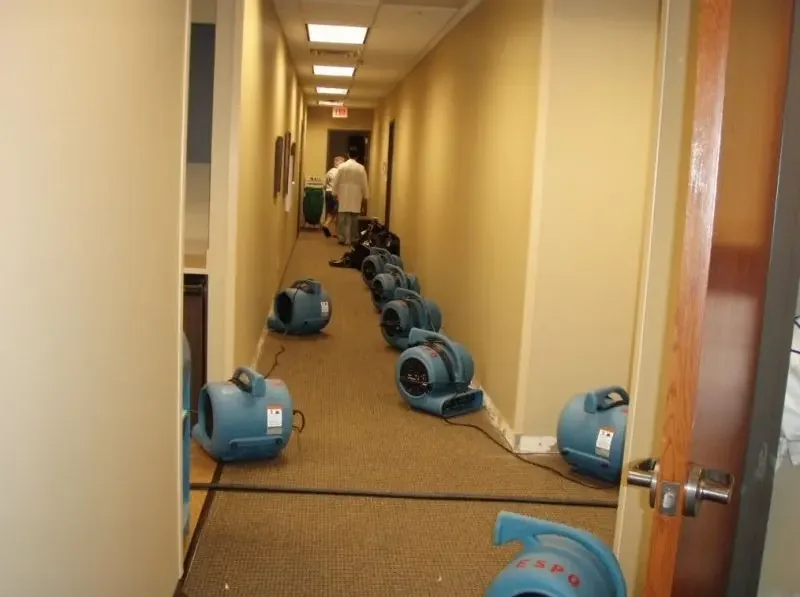 12Commercial Water DamageStorefronts, offices and clinics lose business while floors stay wet. The crew plans the work around how the building runs.See the service
Dry the structure first, then plan the repair
Water that sits in a wall or under a floor keeps doing damage after the surface looks dry. The drying team measures first, so the work follows the moisture instead of a guess.
Moisture mapped first
Meters check floors, walls and ceilings so the crew knows how far the water traveled before any equipment goes down.
Water and sewage only
Every job is clean water, sewage or storm runoff, so the whole plan stays focused on wet structures.
Photos and readings kept
Photos, readings and a written scope for each room go into the file that supports an insurance claim.
Equipment sized to the room
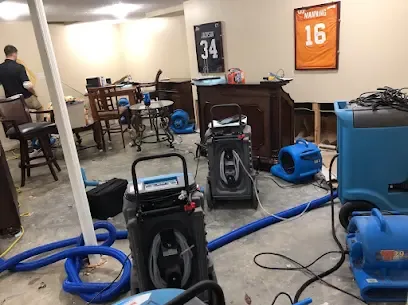
Air movers and dehumidifiers are chosen for the wet area, then checked at every visit until the readings settle into a normal range.
Drying that follows the readings
Equipment is placed by moisture readings, not by habit. Each stage of the job is logged, so the crew can show when a wall or floor is really dry.
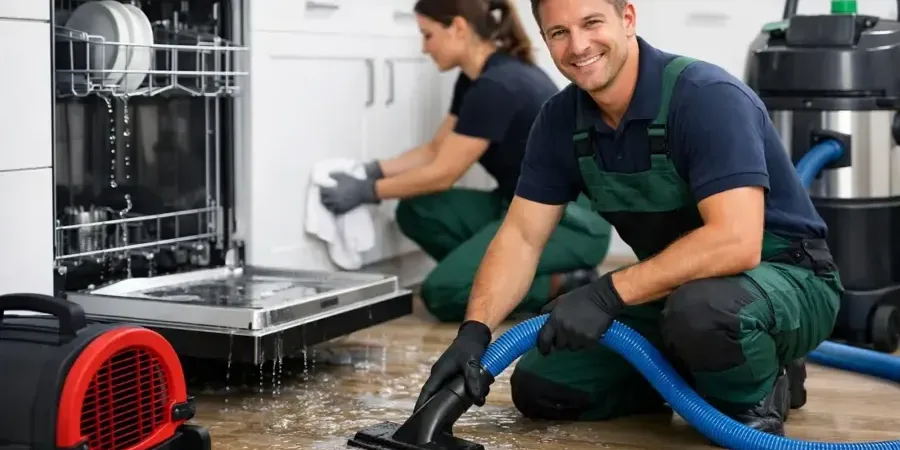
- Extract the water first: Pumps and wands remove standing water first, so the dehumidifiers spend their effort on moisture trapped in framing and flooring instead of puddles.
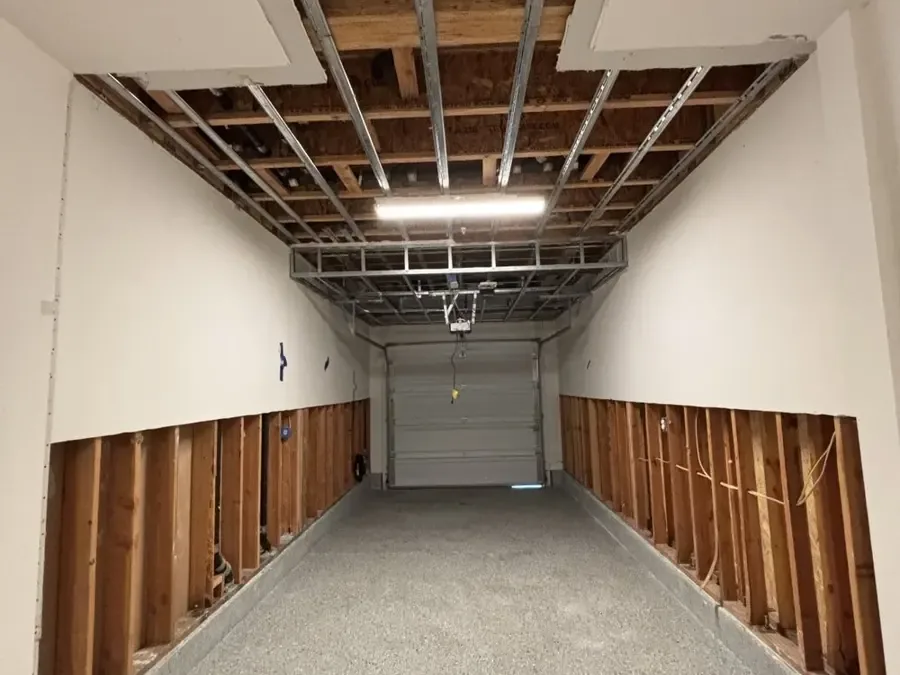
- Open what holds moisture: Baseboards, lower drywall and soaked insulation come out where the meter says the water went, and nothing gets closed up wet.
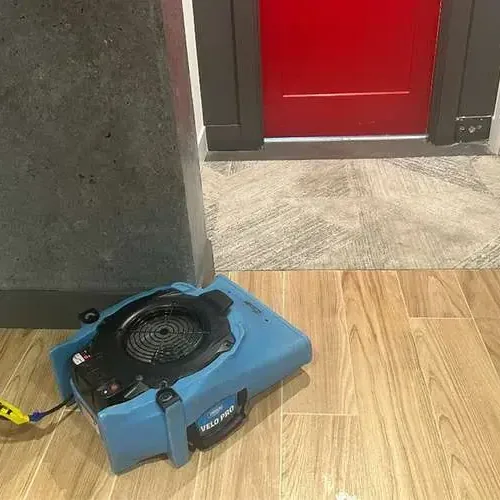
- Airflow and dehumidifying: Fans drive airflow over soaked floors and walls, while dehumidifiers collect the water vapor the air picks up.
- Confirm it is dry: Final readings on studs, subfloor and drywall must match unaffected areas of the home before the equipment is pulled out.
Older buildings and creek country shape the work
The city began as a courthouse village in the 1780s, and Hampton Heights Historic District still holds Queen Anne and Neoclassical houses beside bungalows. Layers of old framing, plaster and flooring can hide water well after the surface looks dry.
Lawson's Fork Creek, a tributary of the Pacolet River, runs through the county, and heavy rain has pushed it over its banks before. Local water damage pros bring pumps for runoff as well as tools for plumbing leaks.
View the full service areaWhat does water damage restoration cost here?
A single wet room dried quickly often costs $1,200 to $6,000. Totals climb to $25,000 or more once sewage, storm runoff or water in several rooms and under the floor is part of the job.
One or two rooms, clean water
- Water extraction
- Drying equipment set
- Moisture readings
Several rooms or under floors
- Wet insulation removed
- Subfloor dried in place
- Flooring lifted as needed
Sewage or storm runoff
- Sealed work area
- Porous materials removed
- Disinfecting and drying
Treat these as typical ranges, not a quote. What the water carried, how many rooms it reached and how soon drying starts move the final bill. The cost calculator narrows it down.
What a drying job looks like from the inside
Build the claim file while you dry
Adjusters want proof of what the water did and when it was stopped. The restoration team keeps photos, readings and notes as the job moves along.
- Photos of every wet area before anything is moved or thrown out
- The date and time the water was first noticed
- Moisture readings taken in every wet room
- A list of damaged belongings with photos
- Receipts for emergency repairs and supplies
If you file the claim yourself
Call the insurer early, describe the loss plainly and ask what the policy covers for water, because a sudden burst and a slow seep are often treated differently.
Keep every receipt, and hold off on throwing out wet materials until the adjuster has seen them or photos show them clearly.
What to do right after water appears
- Stop the source: Shut the main valve or the fixture valve if it is safe, and stay out of rooms where water has reached outlets or the panel.
- Handle the power: Turn off breakers to wet areas only when the panel is dry and you can reach it without standing in water.
- Photograph everything: Take wide and close photos of each wet room, the source and any damaged belongings before moving things.
- Lift small items: Move rugs, books, electronics and small furniture to a dry spot, and leave heavy furniture where it stands.
- Call for drying: Describe the water, the rooms and how long it has sat, so the crew can bring the right pumps and dehumidifiers.
Neighborhoods, corridors and ZIP codes covered
Streets and landmarks
Nearby towns
One call reaches the drying crew anywhere in Spartanburg
Crews work across downtown near Morgan Square, the Northside blocks along Butterfly Creek and Beaumont Village north of downtown.
Tell the crew where the water came from and which rooms it reached, and pumps, meters and dehumidifiers get chosen for that job.
(888) 532-8921Send the drying crew my way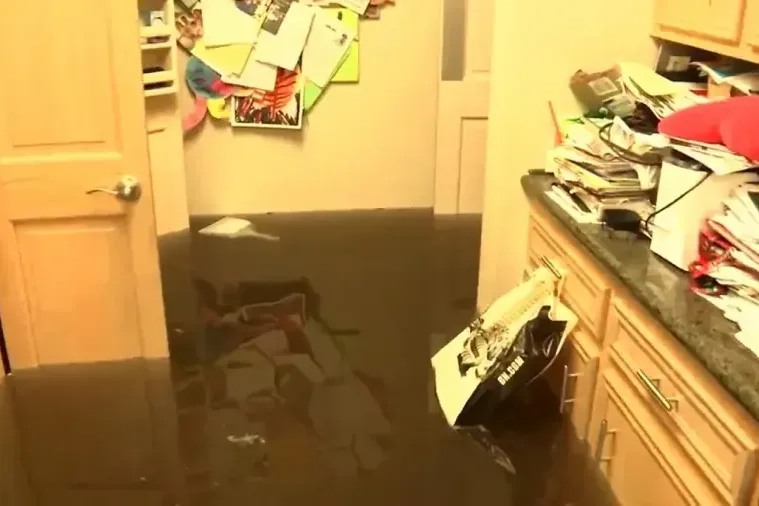
Creeks, storm drains and old floods
Water reaches local buildings from the ground, the sky and the plumbing. Rain averages 51.3 inches a year here and falls fairly evenly through the seasons, so no single season carries all the risk.
- Lawson's Fork Creek overflow: NOAA's storm records show the creek overflowing onto Heathwood Drive and Lake Forest Drive, and the floodplain beside the Cottonwood Trail is described as not suitable for development.
- Timms Creek flash flood: A past flash flood along Timms Creek and Lawson Fork Creek caused $2.5 million in damage, the National Weather Service recalls.
- Unfiltered storm drains: Murals along the Butterfly Creek Greenway remind residents to keep drains clear, because debris in them reaches local waterways instead of being filtered.
- August 1908 flood: Heavy rain for 48 hours put the county under water, and the National Weather Service calls that storm the most extensive flood on record statewide.
- Hurricane Helene aftermath: Downed trees and power lines caused extended outages across the Upstate, and county recovery was still underway nearly a year later.
June 6, 1903 Heavy rain flooded the Pacolet River basin, and the nearest official gauge logged 5 inches in 24 hours. Converse Mill was rebuilt after floodwater washed away the original.
Three kinds of water, three kinds of response
The source decides how the cleanup runs. A supply pipe leak is treated differently from a washing machine overflow, and both differ from sewage.
Clean supply water
A split supply pipe, a failed fitting or an overflowing sink. Stopped early, the drywall, pad and carpet can often be dried in place.
Burst pipe dryingGray water from appliances
A washing machine that overflowed or a dishwasher that leaked. Carpet pad is usually removed and the surfaces are treated before drying starts.
Appliance leak cleanupBlack water and sewage
Sewage, storm runoff and creek overflow carry bacteria. The area is closed off and anything porous that got wet is removed.
Sewage backup cleanupCommon water damage questions
How quickly does water damage get worse?
Wet drywall, insulation and subfloors begin to break down fast, and mold can start growing within 24 to 48 hours. Extraction and drying that start soon after the loss usually keep the repair smaller, while waiting several days can turn a drying job into a rebuild.
What if creek water or storm runoff gets inside?
Stay out of rooms with standing water if outlets or the panel are wet, and keep children and pets away. Creek water and runoff carry silt and bacteria, so porous materials they touched are usually removed rather than dried. See storm and flash flood cleanup.
Who deals with a sewage backup in the city?
Spartanburg Water, which includes the Sanitary Sewer District, says its staff is always on hand in an emergency, so a backup in the public system is worth reporting. Inside the home, the restoration team seals the area, removes the sewage, disinfects and dries.
Is an older house harder to dry?
Often, because dense framing, thick plaster and layered flooring release moisture slowly and hide wet spots. The drying team trusts meter readings over touch and keeps equipment running until framing and subfloors read dry again. That matters in Hampton Heights Historic District.
Do pipe repairs after a leak need a permit?
The city website hosts a plumbing permit application under Building Inspections, and it tells applicants to confirm the property is inside the city limits first. Whether a specific repair needs a permit is a question for Building Inspections.
Does insurance cover storm and creek flooding?
Coverage depends on the policy, and rising floodwater is often treated differently from a burst pipe or a roof leak. Read the water section, ask the insurer directly and keep photos, readings and receipts for every wet room.
Can a business stay open during drying?
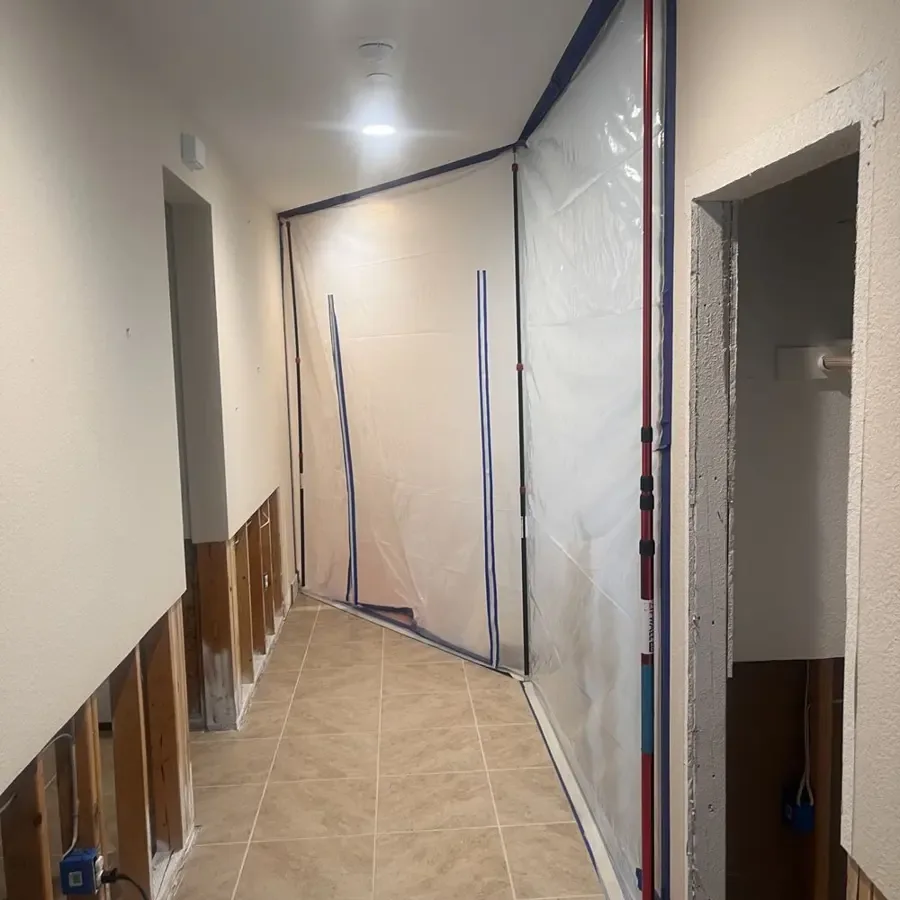
Often part of it can. The crew seals off the wet zone with plastic, runs air movers only where needed and dries in stages, so storefronts, offices and clinics can keep some space in use depending on how far the water spread.
What do the air movers and dehumidifiers actually do?
Air movers keep dry air moving over wet surfaces, and dehumidifiers condense the moisture out of the room's air. Most jobs run several days, and the equipment is pulled only after the readings match dry areas of the house.
Is it safe to stay home during cleanup?
With clean water from a supply pipe, people can often stay if the wet rooms are closed off and the power is safe. With sewage or storm runoff, the affected rooms should be sealed and avoided until the cleaning is finished.
What do the oldest downtown buildings need after a leak?
The oldest buildings on Morgan Square date to the 1880s, and structures that age often hide moisture inside thick walls, wood floors and layered finishes. Mapping the wet areas first protects original materials from needless removal and keeps repairs smaller.
Standing water or a soaked wall? Call the crew now.
Extraction, structural drying and a documented claim file for homes and businesses across Spartanburg and the surrounding county.
(888) 532-8921Call and describe the damage