Manufactured Home Water Damage in Gaffney, SC
Manufactured homes hide water in two places: on particleboard or OSB floors, and inside the belly wrap under the home. The drying team drains the wrap, removes wet insulation and dries the floor system before it swells and sags.
(888) 532-8921Water in a manufactured home? Call for drying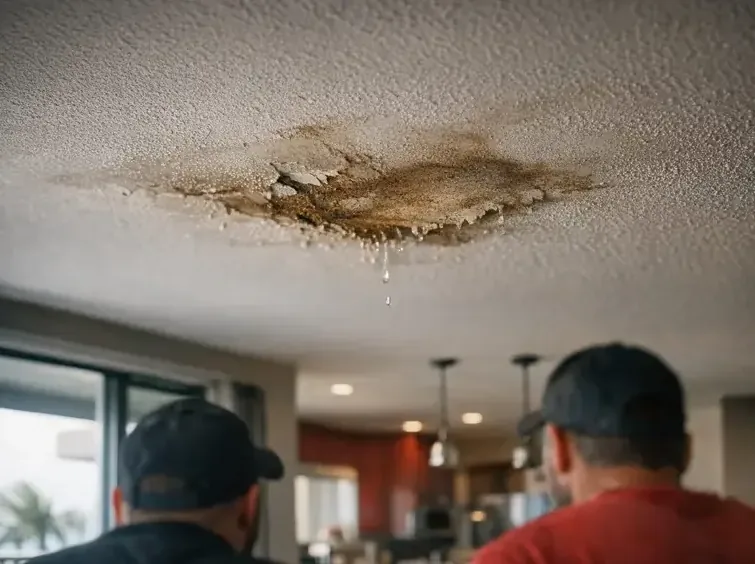
What a proper manufactured home water damage job includes
Water damage is a drying problem first. The restoration team measures, extracts and dries to a reading, then records each step so the claim file holds up.
Dispatch at any hour
Active water is treated as urgent around the clock, weekends and holidays included, because drywall and subfloor keep soaking while water sits.
Dried to the IICRC S500 standard
Air movers and LGR dehumidifiers are sized to the class of loss, and materials are dried to within 2 to 4 points of a dry reference.
A claim file from the first visit
Moisture maps, daily psychrometric logs and timestamped photos taken before any demolition go into one file for the adjuster.
Planned for Piedmont houses
Crawl spaces over red clay, older mill houses and manufactured homes each dry differently, so the plan starts from how the house is built.
First steps for manufactured home water damage
- Shut off the water
Close the main valve at the home or switch off the well pump.
- Cut power to wet areas
Switch off breakers for wet rooms if the panel is dry.
- Look underneath
Check for a sagging, dripping belly wrap from outside the skirting.
- Stay off soft spots
Swollen particleboard floors can give way.
What does manufactured home water damage cost in Gaffney, SC?
In Gaffney, SC, manufactured home water damage typically runs $1,500 to $18,000, depending on how much water the belly wrap held, how much insulation is soaked, whether the particleboard floor has to be replaced and how many rooms got wet.
One area, caught early
- Belly wrap drained
- Insulation removed at the leak
- Floor dried
Several rooms
- Carpet and pad extracted
- Wet decking cut out
- Under-home drying
Long leak or floor failure
- Large insulation removal
- Floor sections replaced
- Extended drying
Ranges are typical, not a quote. Water category, square footage, material class and how fast drying started move the number most. Try the water damage cost calculator for a closer range.
How manufactured home water damage is handled, step by step
- 1
Find the low point
Locate where the belly wrap holds water.
- 2
Drain and remove
Wrap opened, wet insulation out.
- 3
Dry the floor
Decking dried inside and under the home.
- 4
Verify and patch
Readings, then the wrap is closed.
Manufactured homes are common across Cherokee County, from the edges of Gaffney to the rural roads toward Blacksburg and Grassy Pond. They are built differently from site-built houses. Supply lines run inside the underbelly, wrapped in a fabric or plastic belly wrap with insulation, and many floors are particleboard or OSB that swells when it gets wet. A leak can fill the belly wrap like a bag before any water shows inside.
Common water sources
- Supply lines that freeze and split inside the underbelly
- Water heater and washer leaks in a small utility room
- Roof seams and vents that leak in wind-driven rain
- Plastic supply lines and fittings that fail with age
Water in a manufactured home? The drying team works inside and underneath 24/7.
(888) 532-8921Book a manufactured home dry-outHow a manufactured home is dried
The crew finds the low point where the belly wrap is holding water, opens it to drain, and removes the soaked insulation. Inside, carpet and pad are extracted and the floor decking is checked with meters. Particleboard that has swollen or lost strength is cut out; OSB and plywood are dried in place when readings allow. Air movers and dehumidifiers run inside and under the home, and the belly wrap is patched once the floor system is dry.
Insurance and freeze protection
Manufactured homes often carry their own policy type, so check what it covers for sudden water damage and for flooding. Flood coverage is explained at FloodSmart.gov, and the Ready.gov winter weather page covers protecting pipes before a freeze.
Manufactured home water damage across Gaffney and Cherokee County
Coverage runs across ZIP 29340, 29341 and 29342, from downtown and Limestone Street to Granard Street, the Limestone University area, the older mill-village streets and the homes along US 29, SC 11 and SC 18.
Nearby coverage reaches Blacksburg, Cowpens, Chesnee, Grassy Pond, Cherokee Falls, Thicketty, Spartanburg, Shelby.
Related water damage services
Common questions about manufactured home water damage
What is the belly wrap, and why does it hold water?
The belly wrap is the fabric or plastic barrier under a manufactured home that holds insulation and protects the plumbing. When a line leaks inside it, the wrap can fill and sag like a bag.
Can a particleboard floor in a manufactured home be dried?
Sometimes, if it was caught early and has not swollen. Particleboard loses strength when wet, so sections that swell or go soft are cut out and replaced.
Why do pipes freeze in manufactured homes?
Supply lines run in the underbelly, close to the outside air. Torn skirting, missing insulation or a failed heat tape let them freeze in a hard cold snap.
How long does it take to dry a manufactured home?
Three to seven days for most losses. A belly wrap full of water and soaked insulation add time.
Is manufactured home water damage covered by insurance?
Sudden leaks are often covered under a manufactured home policy; flooding usually needs separate coverage. Check your own policy.
What does manufactured home water damage cost?
Most jobs fall between $1,500 and $18,000. A small leak caught early sits at the low end; a soaked belly wrap with floor replacement pushes it higher.
Floors going soft after a leak? Get the home dried out.
Water hides inside the belly wrap and soaks particleboard floors. The drying team drains it, removes what is wet and dries the floor.
(888) 532-8921Dry out the manufactured home