Sewage Backup Cleanup in Union, SC
Sewage in a home is a health problem as well as a water problem. The crew contains the area, removes the contaminated water, cuts out the porous materials it touched and cleans before any drying begins.
(888) 532-8921Report the backup to a crew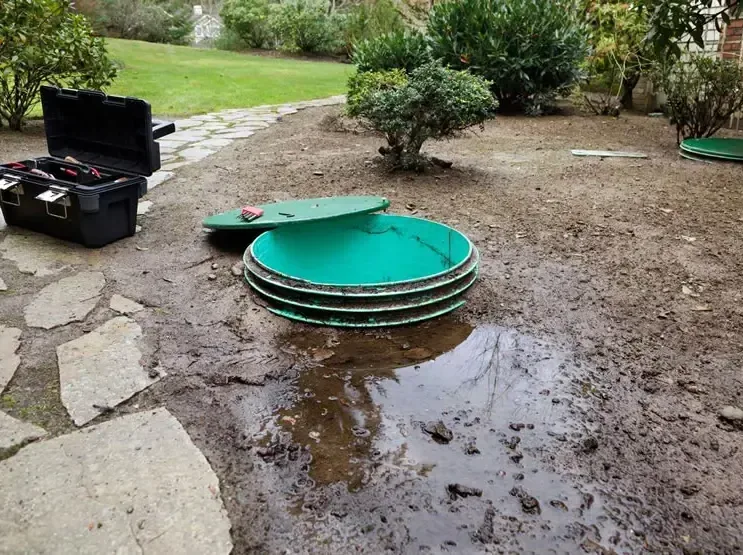
What a proper sewage and septic backup cleanup job includes
Water damage is a drying problem first. The restoration team measures, extracts and dries to a reading, then records each step so the claim file holds up.
Dispatch at any hour
Active water is treated as urgent around the clock, weekends and holidays included, because drywall and subfloor keep soaking while water sits.
Dried to the IICRC S500 standard
Air movers and LGR dehumidifiers are sized to the class of loss, and materials are dried to within 2 to 4 points of a dry reference.
A claim file from the first visit
Moisture maps, daily psychrometric logs and timestamped photos taken before any demolition go into one file for the adjuster.
Planned for Piedmont houses
Crawl spaces over red clay, older mill houses and manufactured homes each dry differently, so the plan starts from how the house is built.
First steps for sewage and septic backup cleanup
- Seal the area
Plastic sheeting and tape keep contamination out of the clean rooms.
- Remove the water
Sealed pumps and vacuums take the contaminated water away.
- Cut out and bag
Porous materials that soaked it up are removed and bagged.
- Clean and dry
Surfaces are treated, then equipment dries what remains.
What does sewage and septic backup cleanup cost in Union, SC?
Sewage cost depends on how many rooms were touched, how much porous material has to come out and how long the water sat. A small bathroom backup stays at the low end, while a whole floor or crawl space reaches the top.
One bathroom or small area
- Containment and removal
- Antimicrobial cleaning
- Flooring cut out
Several rooms
- Drywall and pad bagged
- Surfaces sanitized
- Drying and readings
Whole floor or crawl space
- Extensive material removal
- Space cleaned and treated
- Extended drying
Ranges are typical, not a quote. Water category, square footage, material class and how fast drying started move the number most. Try the water damage cost calculator for a closer range.
How sewage and septic backup cleanup is handled, step by step
- 1
Contain
Plastic seals the affected area first.
- 2
Remove
Contaminated water is pumped into sealed containers.
- 3
Clean
Hard surfaces are treated with antimicrobial products.
- 4
Dry
Equipment runs only after everything is clean.
Sewage backups come from a blocked drain, a failing septic tank or a municipal system overwhelmed by heavy rain. Whatever the cause, the water carries bacteria, so the response is containment, removal and cleaning, in that order, with nothing dried until it is clean.
Sewer work around Buffalo and Excelsior
In March 2023, Union City Council approved a $955,000 city match to finish sewer upgrades in Buffalo, Excelsior and the Union Mill area. The project covers 60 homes and two churches, with 6,000 linear feet of sewer and 45 manholes, and the City Administrator hoped it would also help with rainwater infiltration. Whatever happens in the street, a backup inside a building still needs a proper cleanup.
Sewage coming up in a drain or tub? Stay out of the water and describe it to a crew.
(888) 532-8921Report sewage to a crewHow the cleanup is done
- The area is sealed with plastic so odors and bacteria stay out of clean rooms.
- Contaminated water is pumped or vacuumed into sealed containers.
- Carpet, pad, drywall and insulation that soaked it up are cut out and bagged.
- Hard surfaces are washed and treated with antimicrobial products, then dried.
Drying comes last
Only after everything contaminated is gone do dehumidifiers and air movers start. Readings confirm the framing is dry before any rebuilding. Porous materials that cannot be cleaned are replaced rather than dried, because bacteria can stay inside them even when the surface looks fine. See also storm flood cleanup or the sewage cleanup overview.
Sewage and septic backup cleanup across Union and nearby towns
Sewage calls run across ZIP 29379, from older downtown buildings to homes around Buffalo and Excelsior and the mill-village streets, wherever a drain or septic system has pushed contaminated water inside.
The same service nearby: sewage and septic backup cleanup in Gaffney, Spartanburg, Kings Mountain.
Related water damage services in Union
Common questions about sewage and septic backup cleanup
Is sewage water dangerous to touch?
Yes. It can carry bacteria and viruses, so skin contact and breathing the spray from pumps are real risks. Stay out of the area and let a crew with protective gear handle it.
What can be kept after a sewage backup?
Hard, non-porous items such as tile, sealed wood and metal can usually be washed and treated. Carpet, pad, drywall and insulation that absorbed the water are removed and bagged.
Why is it called black water?
Black water is the highest contamination category, meaning it carries sewage and its bacteria. It is handled differently from clean pipe leaks, with containment and antimicrobial treatment before drying begins.
Does a city sewer project stop backups inside homes?
A sewer project can ease rainwater getting into the system, which is what the City Administrator hoped for the Buffalo, Excelsior and Union Mill area work. It does not clean a building that already took on sewage.
Who pays for sewage cleanup?
Coverage depends on the policy and the cause. Backups may need a separate endorsement, so check the wording and keep photos, readings and invoices ready for the adjuster.
Can I clean it up myself?
Small clean-water spills, yes, but sewage no. Bacteria spread on mops and shoes, and soaked porous materials stay contaminated. A trained crew keeps the rest of the home safe.
Sewage should never wait for a mop
Containment and protective gear keep the rest of the home clean. Call and describe the rooms the backup reached.
(888) 532-8921Get the backup contained