Crawl Space Water Removal in Gaffney, SC
Water that collects on the clay under a raised floor soaks the insulation, joists and sills out of sight. The extraction crew pumps it out, bags the wet insulation and dries the wood to a measured reading.
(888) 532-8921Water under the house? Start the pump-out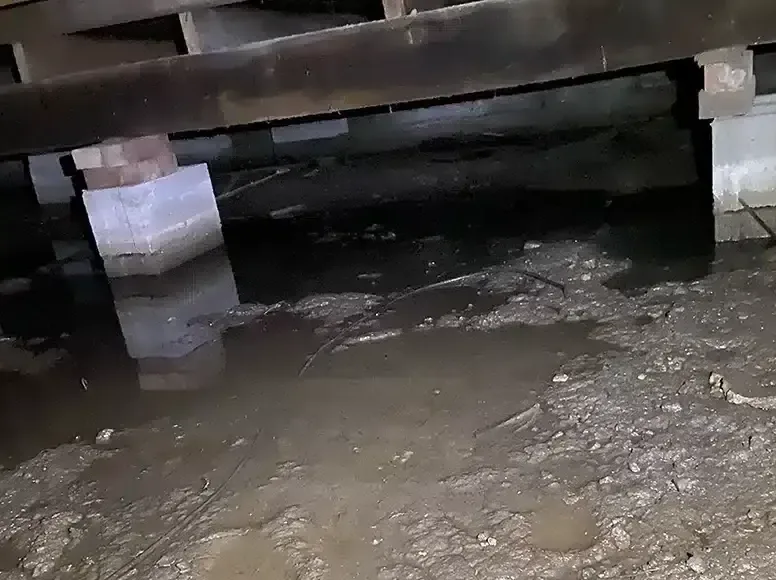
What a proper crawl space water removal job includes
Water damage is a drying problem first. The restoration team measures, extracts and dries to a reading, then records each step so the claim file holds up.
Dispatch at any hour
Active water is treated as urgent around the clock, weekends and holidays included, because drywall and subfloor keep soaking while water sits.
Dried to the IICRC S500 standard
Air movers and LGR dehumidifiers are sized to the class of loss, and materials are dried to within 2 to 4 points of a dry reference.
A claim file from the first visit
Moisture maps, daily psychrometric logs and timestamped photos taken before any demolition go into one file for the adjuster.
Planned for Piedmont houses
Crawl spaces over red clay, older mill houses and manufactured homes each dry differently, so the plan starts from how the house is built.
First steps for crawl space water removal
- Look, do not crawl in
Check from the access door with a flashlight; stay out if water is near wiring.
- Shut off the source
Close the main or switch off the well pump if a line under the house is leaking.
- Stop using drains
If it smells like sewage, no flushing or laundry until it is checked.
- Photograph it
Take photos of the water and the insulation before anything is removed.
What does crawl space water removal cost in Gaffney, SC?
In Gaffney, SC, crawl space water removal typically runs $1,500 to $18,000, depending on how much water is standing, how much insulation is soaked, whether the water is clean or sewage and how long the wood has been wet.
Pump-out, caught early
- Standing water pumped out
- Vapor barrier checked
- Dehumidifier set
Wet insulation and joists
- Insulation removed
- Joists and sills dried
- Daily readings
Sewage or long-standing water
- Category 3 cleanup
- Debris and soil treated
- Extended drying
Ranges are typical, not a quote. Water category, square footage, material class and how fast drying started move the number most. Try the water damage cost calculator for a closer range.
How crawl space water removal is handled, step by step
- 1
Pump out
Submersible pumps remove the standing water.
- 2
Remove
Wet insulation and debris are bagged and hauled out.
- 3
Dry the wood
LGR dehumidifiers and air movers run under the floor.
- 4
Verify
Joist and subfloor readings until dry.
Most houses in Gaffney sit on raised floors over a crawl space, from mill houses on brick piers to brick ranches on block foundations. Red clay soaks up rain slowly, so storm water runs toward the foundation and pools in the lowest corner under the house. A split supply line, a failed water heater or a backed-up drain does the same from above. The water stays out of sight while it soaks the wood.
Signs of water in a crawl space
- Standing water or soaked clay visible from the access door
- Insulation sagging, dripping or lying on the ground
- Floors that feel soft, bouncy or cupped near a bathroom or the kitchen
- A damp, earthy smell inside that gets worse in summer
Water pooled under the house? The crew pumps out crawl spaces 24/7.
(888) 532-8921Book a crawl space pump-outHow the crawl space is dried
The crew pumps standing water out with submersible pumps, then removes wet insulation, soaked debris and a torn vapor barrier. Joists, sills and the underside of the subfloor are mapped with moisture meters. LGR dehumidifiers and air movers run under the house, often with the vents closed off so the drying is not fighting humid summer air. Readings are taken in the same spots until the wood matches a dry reference.
Who handles the source
A plumber repairs a leaking line, and gutter or grading work stops runoff. The restoration team handles the water and the wet materials. Directing downspouts away from the house, as the Ready.gov flood guidance suggests, cuts down on repeat water. For claim questions, the South Carolina Department of Insurance explains how to raise a concern with an insurer.
Crawl space water removal across Gaffney and Cherokee County
Coverage runs across ZIP 29340, 29341 and 29342, from downtown and Limestone Street to Granard Street, the Limestone University area, the older mill-village streets and the homes along US 29, SC 11 and SC 18.
Nearby coverage reaches Blacksburg, Cowpens, Chesnee, Grassy Pond, Cherokee Falls, Thicketty, Spartanburg, Shelby.
Related water damage services
Common questions about crawl space water removal
How long does a crawl space take to dry?
Usually four to ten days after the water is out. Joists and sills that were wet for weeks, or a crawl space with poor airflow, take longer.
Does wet insulation have to come out of the crawl space?
Yes, in nearly every case. Fiberglass batts that hold water stay wet against the subfloor and keep the wood from drying, so they are bagged and removed.
Can crawl space water damage the floor above?
It can. Subfloor and joists that stay wet lose strength, and hardwood above them cups. Drying the crawl space early usually saves the floor.
Why does a crawl space get wet after rain?
Clay soil absorbs rain slowly, so heavy storms send water across the yard toward the foundation. Downspouts that empty at the wall and low spots under the house make it worse.
Is crawl space water removal covered by insurance?
Water from a sudden pipe break is often covered. Groundwater, flooding and long, slow leaks are treated differently. Coverage depends on your policy, so check with your own insurer.
What does crawl space water removal cost?
Most jobs fall between $1,500 and $18,000. A quick pump-out sits at the low end; soaked insulation, sewage or weeks of standing water push it higher.
Water sitting under the floor? Get the crawl space dried.
Water under a raised floor soaks the insulation, joists and subfloor. The extraction crew pumps it out and dries the wood.
(888) 532-8921Dry out the crawl space