Water Damage Restoration Gaffney, SC
24/7 water damage restoration in Gaffney, SC. The restoration team pulls standing water out of rooms and crawl spaces, dries the structure to the IICRC S500 standard and documents every step for the claim.
(888) 532-8921Pipe split or crawl space flooded? Call now.Frozen pipes, crawl space water and sewage or septic backups are treated as urgent at any hour, holidays included.
Water Damage Restoration Services in Gaffney, SC
Water and sewage only, planned around mill houses on brick piers, brick ranches over crawl spaces, newer subdivisions off Interstate 85 and the manufactured homes found across the county.
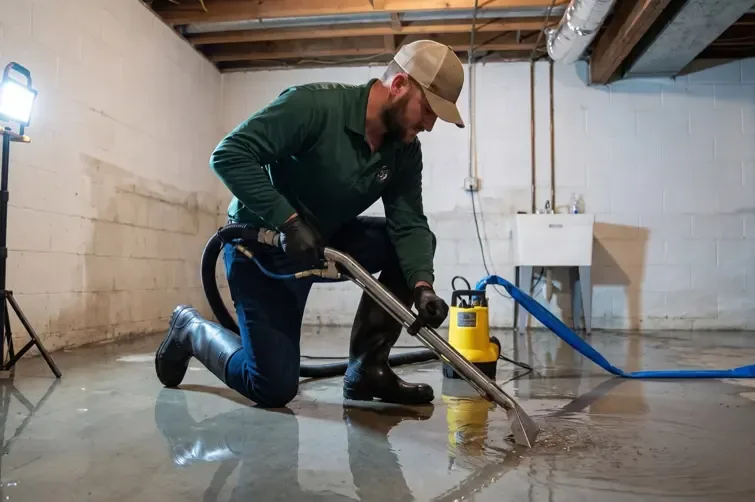
 01Water Extraction and RemovalTruck-mounted and portable extraction pulls standing water out of carpet, pad and hardwood before it reaches the subfloor.See the service
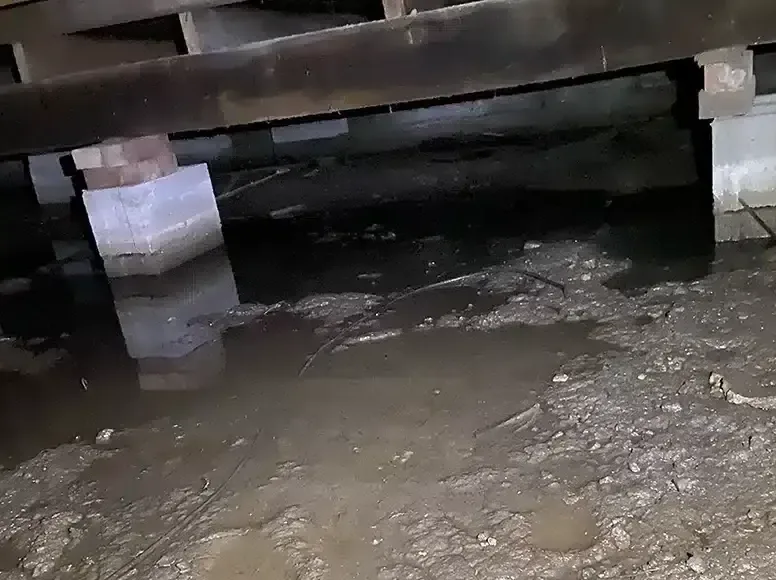 02Crawl Space Water RemovalWater pooled on the red clay under a raised floor is pumped out, wet insulation bagged and the joists dried.See the service
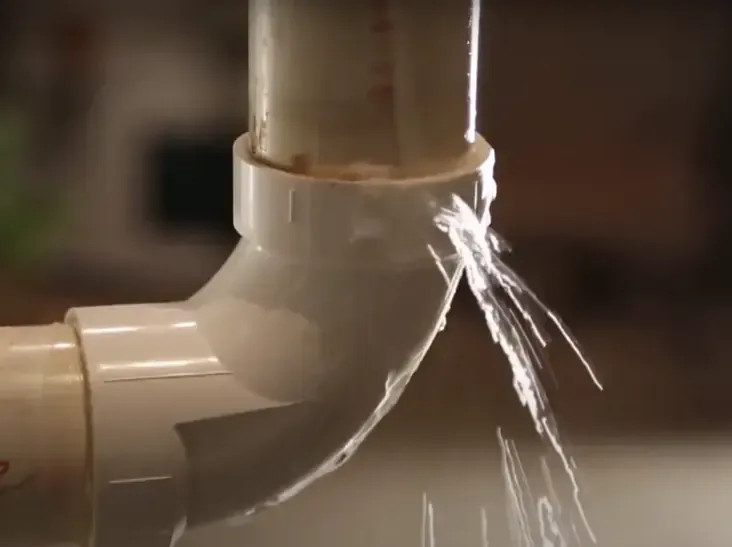 03Frozen and Burst Pipe Water DamageA supply line that splits in a hard freeze soaks walls and floors fast. The crew opens, extracts and dries.See the service
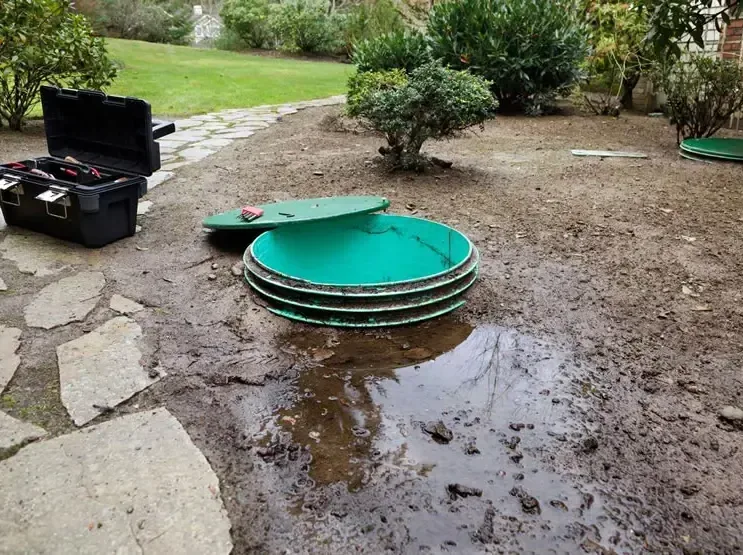 04Sewage and Septic Backup CleanupSewer lateral and septic backups are Category 3 from the start: containment, removal of porous materials and an antimicrobial.See the service
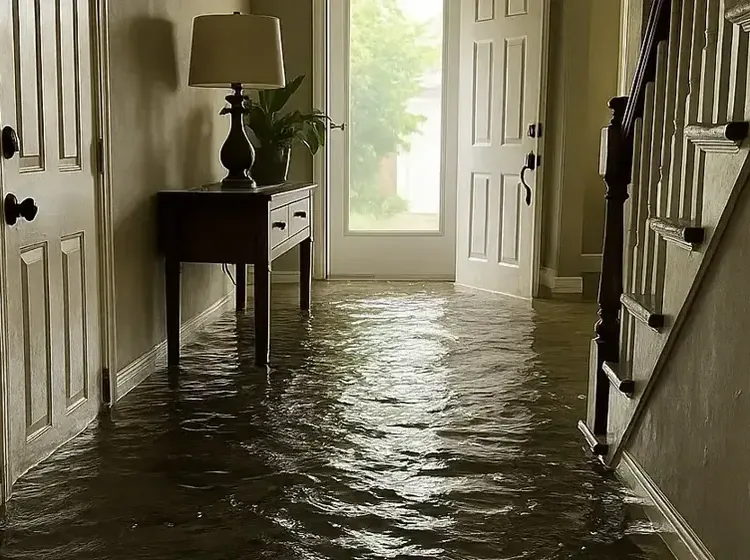 05Storm and Flash Flood CleanupThunderstorm runoff and flash flooding come in dirty, so wet carpet and drywall come out before the drying starts.See the service
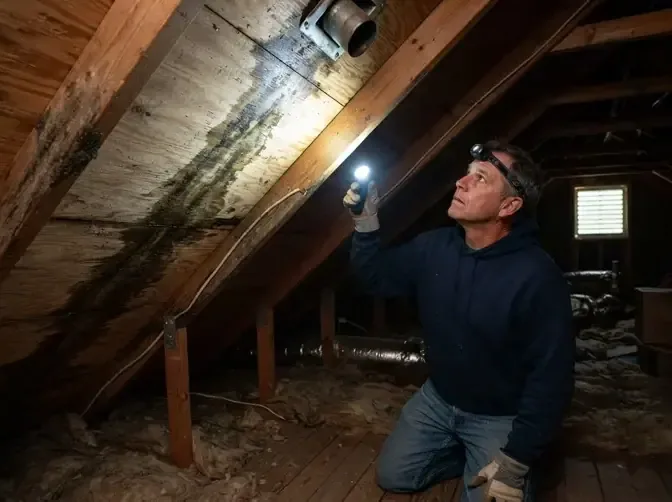 06Roof Leak Water DamageWind-driven rain and storm-damaged shingles wet the attic first. Soaked insulation comes out and ceilings are dried.See the service
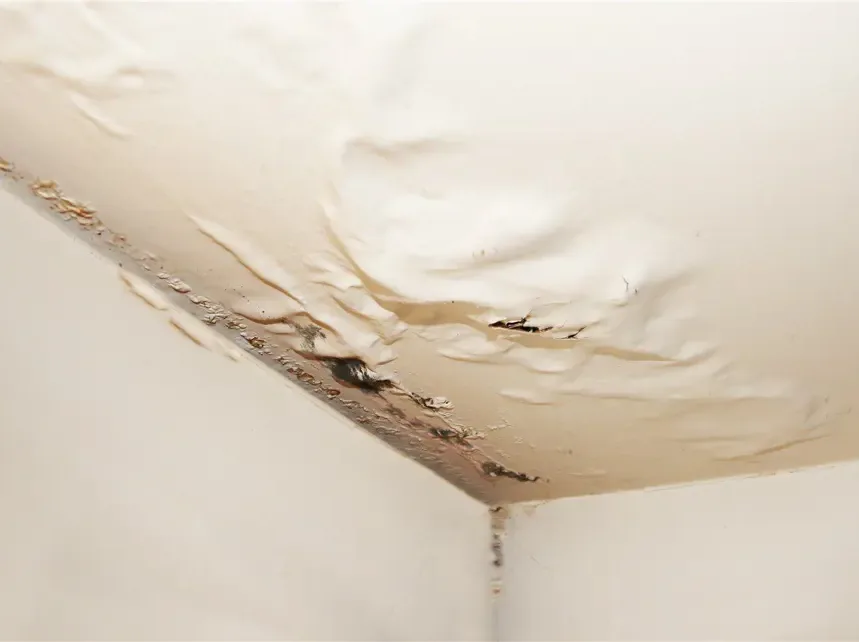 07Ceiling Leak Water DamageBathroom, supply line and upstairs leaks traced to the source, sagging drywall opened safely and joist bays dried.See the service
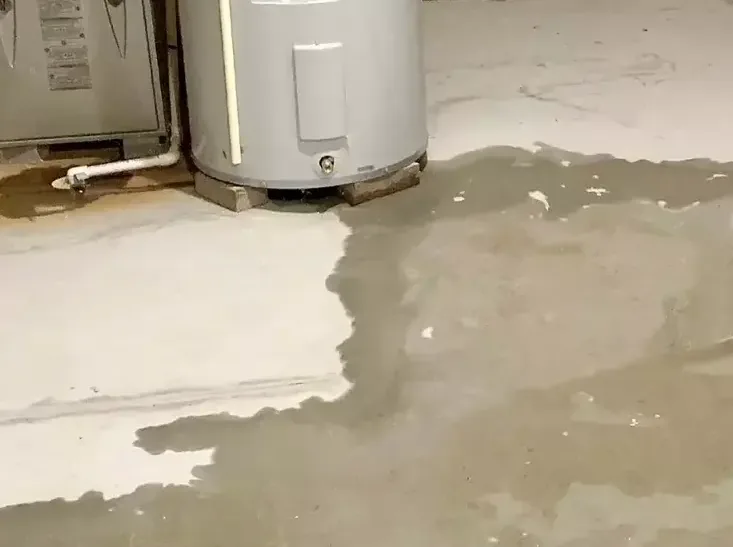 08Water Heater Leak CleanupA failed tank in a closet, garage or crawl space is extracted before flooring and cabinets soak through.See the service
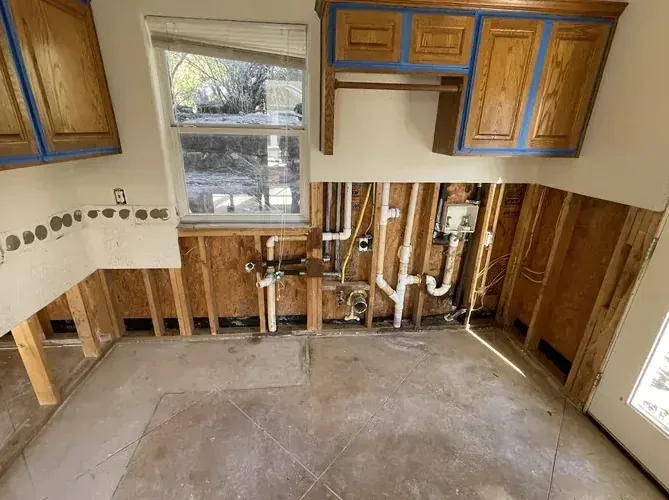 09Appliance and Supply Line LeaksWasher hoses, dishwasher lines, ice makers and toilet supplies leak slowly. Floors and cabinet bases are dried out.See the service
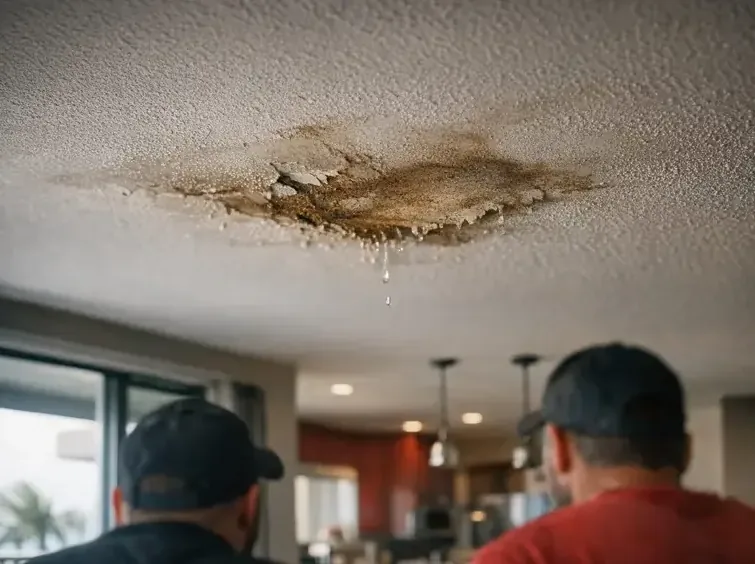 10Manufactured Home Water DamageWater trapped on particleboard floors and inside the belly wrap of a manufactured home is drained and dried.See the service
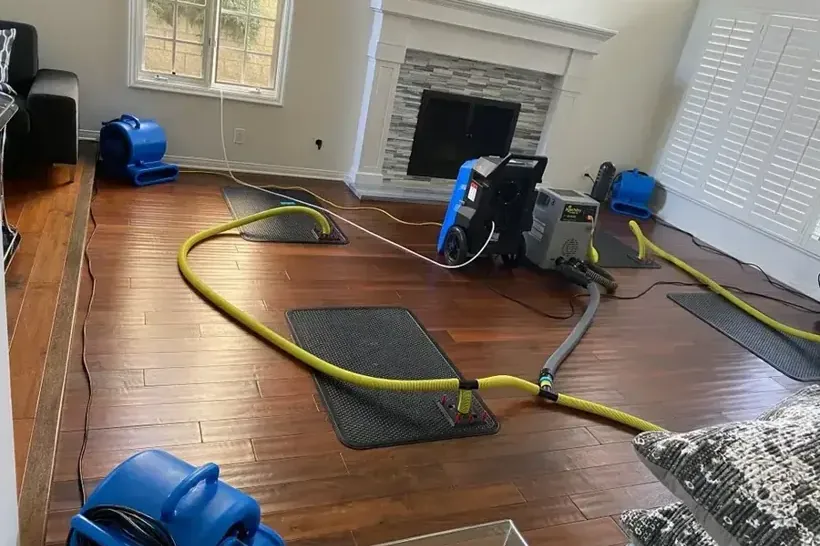
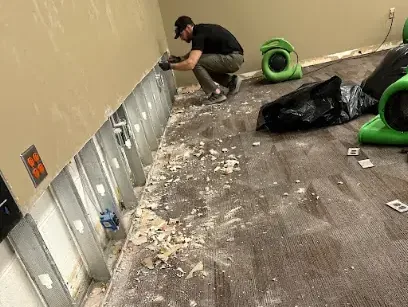 11Structural Drying and DehumidificationFraming, subfloor and sheathing dried to within 2 to 4 points of a dry reference, with readings logged daily.See the service
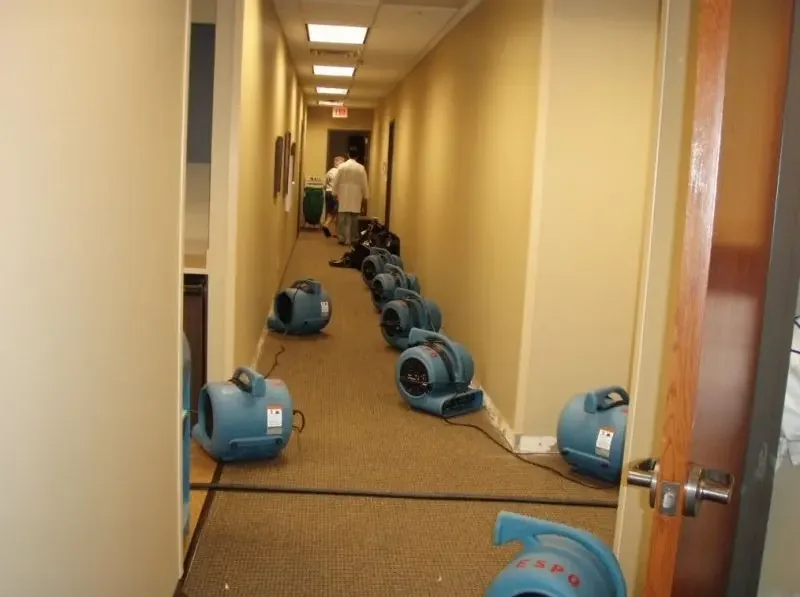 12Commercial Water DamageShops, offices, churches and warehouses dried in phases so doors stay open while the work goes on.See the service
Every water loss here gets the same four things
The contractor who responds measures before cutting, dries to a standard instead of a calendar and writes it all down for the adjuster, whatever the source of the water.
Rapid local response
Dispatch runs around the clock across Cherokee County and the Upstate. Active water is treated as urgent at any hour, ice storms included.
IICRC S500 drying standard
Air movers and LGR dehumidifiers are sized to the class of loss, and drying runs until materials match a dry reference.
Claim-ready documentation
Moisture maps, daily psychrometric logs and timestamped photos taken before demolition go into one file for the adjuster.
Crawl space know-how
Most local houses sit on raised floors over red clay, so the walkthrough always checks under the house, not just the wet room.
Water damage dried to the IICRC S500 standard
IICRC S500 is the industry drying standard. It treats a water loss as a structure problem, not a carpet problem: joists, subfloor and sills hold water long after the surface feels dry.
- Inspect and map: The tech who does the walkthrough finds the source, sets the category and class and maps moisture with meters and thermal imaging, above and below the floor.
- Extract: The extraction crew pulls standing water with truck-mounted and portable units, then pumps out the crawl space if water reached the clay.
- Dry and dehumidify: Air movers and LGR dehumidifiers are set to the class of loss, with containment where needed to keep the drying targeted.
- Verify and document: Readings are logged daily until materials reach 2 to 4 points of a dry reference, and the equipment leaves only then.
Upstate water damage help, on call day and night
The restoration team covers the city and the rest of Cherokee County, from the downtown blocks along Limestone Street to farmhouses out past Grassy Pond. The work is water and sewage only: extraction, drying and the paper trail an insurer expects.
Houses here are built differently than in newer suburbs. Many sit on brick piers or block foundations over a crawl space, so the walkthrough starts under the floor. The drying plan follows the IICRC S500 standard from the first reading to the last.
Read how the work gets doneWhat does water damage restoration cost in Gaffney, SC?
Most water damage restoration jobs in Gaffney run $1,200 to $6,000 for a contained clean-water loss and $6,000 to $25,000 or more when sewage, septic water, a flooded crawl space under several rooms or storm water is involved.
Contained clean-water loss
- One or two rooms
- Extraction and drying
- 3 to 5 days of equipment
Crawl space or multi-room loss
- Wet insulation removed
- Joists and subfloor dried
- Flooring lifted where needed
Sewage, septic or storm water
- Category 3 containment
- Porous materials removed
- Antimicrobial and drying
Ranges are typical, not a quote. Water category, square footage, material class and how fast drying started move the number most. The water damage cost calculator gives a closer range.
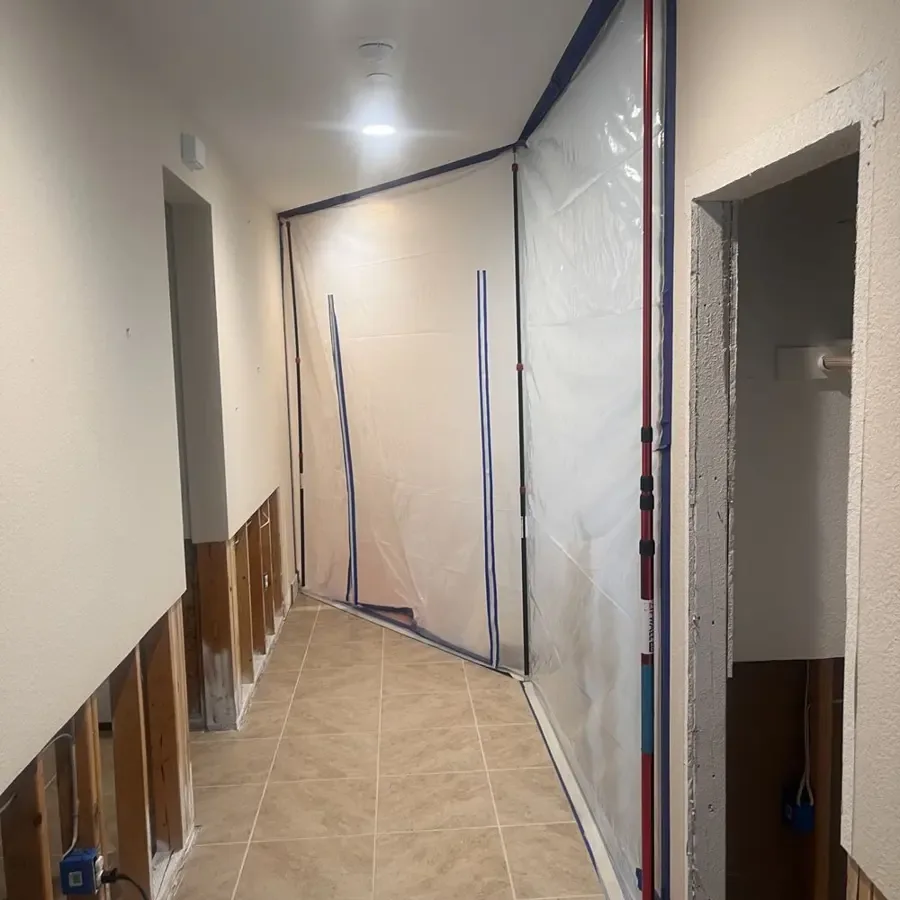
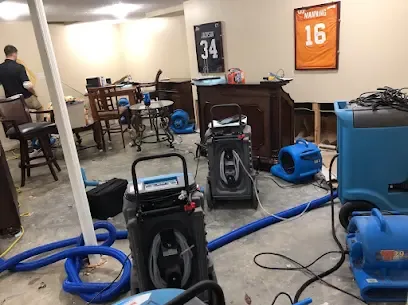
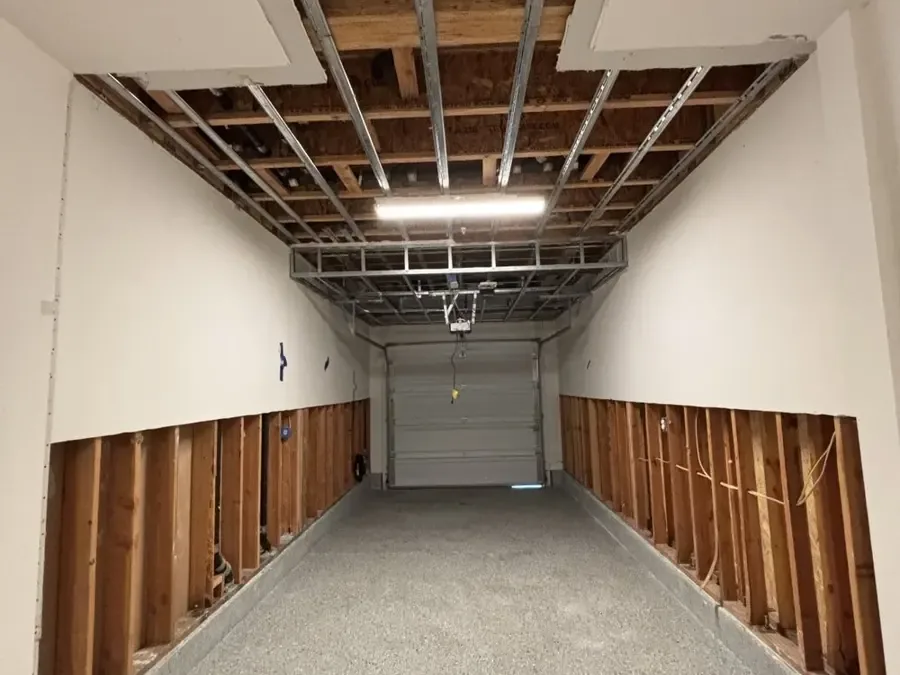
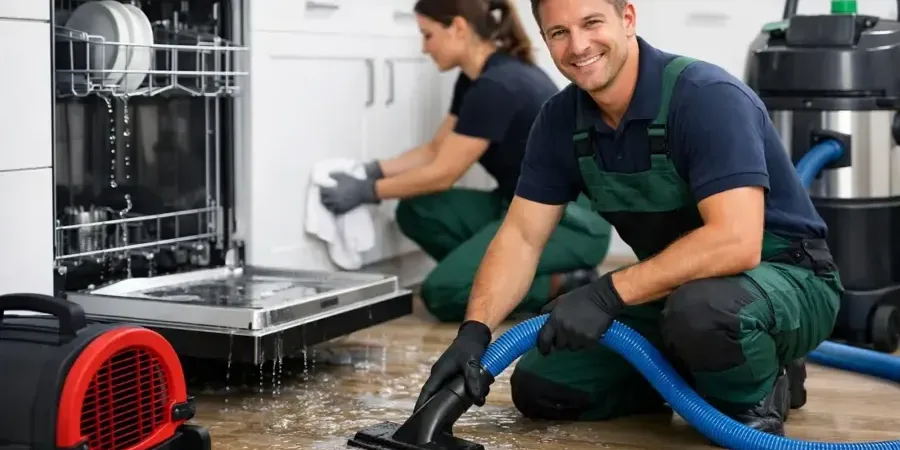
What a water damage dry-out looks like, room by room
What goes into the claim file
Adjusters pay on documentation. The mitigation team builds the file while the drying runs, so the record matches what was wet and what was done about it.
- A moisture map of every wet room, wall, floor and crawl space
- Daily psychrometric logs and material readings until dry
- Timestamped photos taken before any demolition
- The water category and class of loss, with the source
- A line-item scope of the work done
Check your own policy
Sudden and accidental water damage, such as a pipe that splits in a freeze, is often covered. Flooding from rising water needs separate flood coverage, and sewer or septic backup usually needs its own endorsement.
Coverage depends on your policy, so it is worth reading it or asking your insurer early. The claim file helps either way.
Five things to do before the extraction crew arrives
- Shut off the water: Close the main shutoff, usually at the meter box near the street or where the line enters the crawl space. On a well, switch off the pump.
- Kill power to wet areas: Switch off breakers for wet rooms if the panel is dry. Stay out of water near outlets and appliances.
- Stop using drains: For a sewer or septic backup, no flushing, showers or laundry until the line is cleared.
- Photograph everything: Take photos and video of the water, the source and damaged items before anything is moved.
- Call for dispatch: Water wicks into drywall and subfloor by the hour, and the 24 to 48 hour window for mold growth starts right away.
Street areas, ZIP codes and nearby towns covered
Street areas covered
Nearby towns
One call reaches the restoration team for the whole county
Dispatch covers the city, Blacksburg, Grassy Pond, Cherokee Falls and the rural roads in between, plus Cowpens and Chesnee to the west.
Describe the source and the rooms involved, and the crew arrives with extraction gear, meters and dehumidifiers.
(888) 532-8921Get extraction gear headed your way
Why Gaffney houses take on water
The city grew around textile mills and the railroad, and its housing spans mill houses, postwar brick ranches and newer subdivisions. Most of it sits on Piedmont red clay over a crawl space.
- Crawl spaces on red clay: Clay soaks up rain slowly, so heavy storms send water toward foundations, and it pools under raised floors. Wet insulation and joists follow, often unseen for weeks.
- Hard freezes in mild-winter houses: Cold snaps are short but sharp, and supply lines in crawl spaces, exterior walls and unheated garages are often unprotected. Splits show up when the thaw comes.
- Thunderstorms and tropical remnants: Summer storms and the leftovers of Gulf and Atlantic hurricanes bring wind-driven rain and falling limbs that open roofs and soak attics.
- Aging supply and drain pipe: Older galvanized supply pipe, polybutylene lines in some 1980s and 1990s homes and clay or cast iron sewer laterals fail with age.
- Septic systems and manufactured homes: Out in the county, septic tanks back up after long rain, and manufactured homes hide leaks under particleboard floors and the belly wrap.
September 27, 2024: the remnants of Hurricane Helene crossed the Upstate with damaging wind and heavy rain, bringing trees down onto roofs and cutting power across the region.
All water damage categories covered in Gaffney, SC
Every loss starts with the category of the water, because it decides what can be dried in place and what has to come out.
Category 1, clean water
A supply pipe, a water heater or an ice maker line. Caught early, carpet, pad and drywall can often be dried in place.
Frozen and burst pipe water damageCategory 2, gray water
A washer, dishwasher or toilet overflow without waste. Pad usually comes out and surfaces get an antimicrobial.
Appliance and supply line leaksCategory 3, black water
Sewage, septic and storm runoff. Category 3 from the start: containment, PPE and removal of the porous materials it touched.
Sewage and septic backup cleanupWater damage questions from Gaffney homeowners
How fast does someone respond to water damage in Gaffney?
Dispatch runs around the clock, and active water is treated as urgent at any hour. Response time depends on weather, roads and how many calls are open, so start the first steps while help is on the way.
How long does it take to dry out a house after water damage?
A contained clean-water loss usually dries in three to five days. Crawl spaces, hardwood and plaster take longer. Equipment stays until materials read within 2 to 4 points of a dry reference, not until a set day.
What is the IICRC S500 standard?
IICRC S500 is the industry standard for water damage restoration. It sets how water is categorized, how a loss is classed and how drying is measured, so the work is judged by readings instead of guesses.
Why does water under the house matter if the floors look fine?
Water pooled in a crawl space keeps the joists, sills and subfloor wet and pushes humidity up into the rooms above. Wood weakens and floors cup or soften over time, so the crawl space gets pumped out and dried like any other room.
Will homeowners insurance cover water damage?
Sudden and accidental damage, such as a pipe that splits in a freeze, is often covered. Rising flood water and slow leaks are treated differently, and sewer or septic backup often needs an endorsement. Check your own policy; the claim file helps either way.
What should be done in the first hour?
Shut off the water, switch off breakers for wet rooms if the panel is dry, stop using drains during a backup and photograph everything before moving it. Then call so extraction can start.
When does drywall have to come out?
Drywall that wicked clean water can often be dried in place with the baseboards off. Drywall soaked by sewage, septic or storm water is cut out above the wet line, because Category 3 water cannot be cleaned out of it.
Why is a sewage or septic backup handled differently?
Sewage and septic water carry bacteria, so the job is Category 3 from the start. The crew wears PPE, sets containment, removes porous materials the water touched and treats surfaces with an EPA-registered antimicrobial at its dwell time.
How is the cost of water damage restoration figured?
Cost follows the category of water, the square footage, the materials involved and how long the water sat. A clean-water loss caught early costs far less than a sewage backup or a soaked crawl space found weeks later.
Do frozen pipes really burst here?
Yes. Winters are mild most of the time, so pipes in crawl spaces, exterior walls and garages are often left unprotected. A hard freeze splits them, and the leak shows up when the ice thaws, often in a room no one is using.
Water in the house or under the floor? Start the dry-out now.
Extraction, structural drying and a claim-ready file, 24/7, from downtown to Grassy Pond and Blacksburg.
(888) 532-8921Bring the drying crew out