Storm and Flash Flood Cleanup in Gaffney, SC
Thunderstorm runoff and flash flooding carry soil, fuel and sewage into the house. The response team treats storm water as Category 3, removes what it soaked and dries the structure and the crawl space.
(888) 532-8921Storm water in the house? Call for cleanup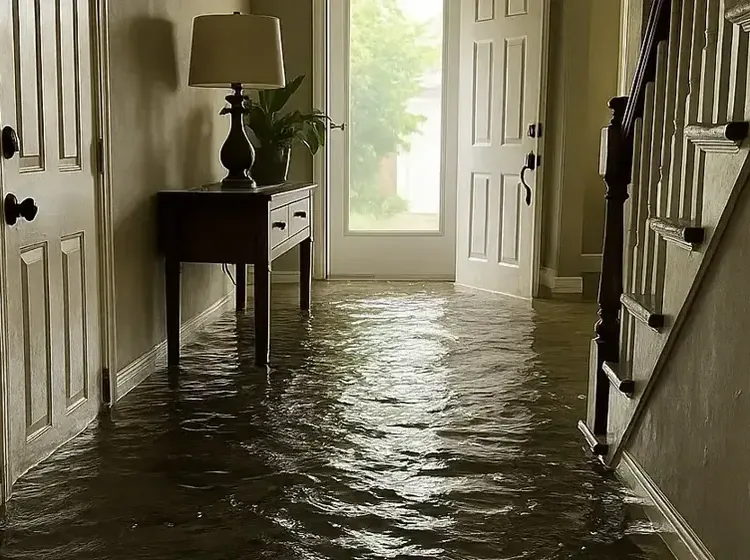
What a proper storm and flash flood cleanup job includes
Water damage is a drying problem first. The restoration team measures, extracts and dries to a reading, then records each step so the claim file holds up.
Dispatch at any hour
Active water is treated as urgent around the clock, weekends and holidays included, because drywall and subfloor keep soaking while water sits.
Dried to the IICRC S500 standard
Air movers and LGR dehumidifiers are sized to the class of loss, and materials are dried to within 2 to 4 points of a dry reference.
A claim file from the first visit
Moisture maps, daily psychrometric logs and timestamped photos taken before any demolition go into one file for the adjuster.
Planned for Piedmont houses
Crawl spaces over red clay, older mill houses and manufactured homes each dry differently, so the plan starts from how the house is built.
First steps for storm and flash flood cleanup
- Stay out of moving water
Six inches of moving water can knock a person down.
- Shut off power if safe
Only if the panel is dry and you are standing on dry ground.
- Photograph the water line
Record the height on walls and every damaged item.
- Keep wet items for the adjuster
Do not throw out soaked belongings until they are photographed.
What does storm and flash flood cleanup cost in Gaffney, SC?
In Gaffney, SC, storm and flash flood cleanup typically runs $3,500 to $40,000, depending on how deep the water got, how many rooms it reached, how much mud came in and whether the crawl space flooded too.
Garage or one room
- Extraction and mud-out
- Lower drywall removed
- Antimicrobial
Several rooms and the crawl space
- Flooring removed
- Crawl space pumped
- Structural drying
Whole lower floor
- Full flood cuts
- Insulation removed
- Extended drying
Ranges are typical, not a quote. Water category, square footage, material class and how fast drying started move the number most. Try the water damage cost calculator for a closer range.
How storm and flash flood cleanup is handled, step by step
- 1
Assess
Safety check, water category and moisture map.
- 2
Remove
Water, mud and soaked materials out.
- 3
Treat
Antimicrobial on every surface the water touched.
- 4
Dry and verify
Drying to a dry reference with daily logs.
Gaffney sits on rolling Piedmont ground, so most flood damage here comes from fast runoff rather than a river rising. A summer thunderstorm or the remnants of a tropical system can drop inches of rain in a few hours, and red clay sheds it across yards and into low doorways, garages and crawl spaces. When the remnants of Hurricane Helene crossed the Upstate in September 2024, wind and rain hit roofs and lower floors together.
Why storm water is Category 3
Runoff picks up soil, lawn chemicals, fuel and sometimes overflow from sewers and septic fields on the way in. IICRC S500 treats it as Category 3, so carpet, pad and drywall it soaked are removed rather than dried, and surfaces get an antimicrobial before drying starts.
Storm runoff came inside? The response team handles flood cleanup 24/7.
(888) 532-8921Book a storm water cleanupWhat the cleanup includes
- Extraction of standing water and pumping of the crawl space
- Mud and silt shoveled and washed out
- Flooring, lower drywall and insulation removed above the wet line
- Antimicrobial treatment, then air movers and LGR dehumidifiers
- Daily readings until materials reach a dry reference
Flood coverage and safety
Standard homeowners policies usually exclude rising surface water; flood coverage comes from a separate policy, explained at FloodSmart.gov. Before going back in, check the Ready.gov flood safety guidance on power, gas and structural damage. Coverage depends on your policies.
Storm and flash flood cleanup across Gaffney and Cherokee County
Coverage runs across ZIP 29340, 29341 and 29342, from downtown and Limestone Street to Granard Street, the Limestone University area, the older mill-village streets and the homes along US 29, SC 11 and SC 18.
Nearby coverage reaches Blacksburg, Cowpens, Chesnee, Grassy Pond, Cherokee Falls, Thicketty, Spartanburg, Shelby.
Related water damage services
Common questions about storm and flash flood cleanup
Is storm water really as bad as sewage?
For cleanup purposes, yes. Runoff carries soil, chemicals and often sewage overflow, so IICRC S500 treats it as Category 3 and soaked porous materials come out.
How high do the drywall cuts go after a flood?
Usually a foot or two above the highest wet reading, not just the visible water line, because drywall wicks water upward.
Does homeowners insurance cover storm and flash flood cleanup?
Usually not for rising surface water, which is typically covered only by a separate flood policy. Wind-driven rain through a damaged roof is handled differently. Check your own policies.
How long does storm and flash flood cleanup take?
Removal and cleaning take one to three days, and drying another five to ten. Deep water, a flooded crawl space and plaster walls add time.
Can furniture and belongings be saved after a flood?
Solid wood furniture often can. Upholstered items, mattresses and paper goods soaked by flood water usually cannot. Photograph everything before it is thrown out.
What does storm and flash flood cleanup cost?
Most jobs fall between $3,500 and $40,000. A flooded garage sits at the low end; a whole lower floor with a flooded crawl space pushes it higher.
Flash flood soaked the house? Start the cleanup now.
Storm water brings mud and contaminants into every porous surface. The response team removes, treats and dries.
(888) 532-8921Get the flood cleanup started