Storm and Flash Flood Cleanup in Union, SC
Heavy rain can push mud and water through doors, garages and crawl spaces. The crew pumps it out, removes soaked materials and dries the structure, treating outside flood water as contaminated from the start.
(888) 532-8921Tell a crew what the flood reached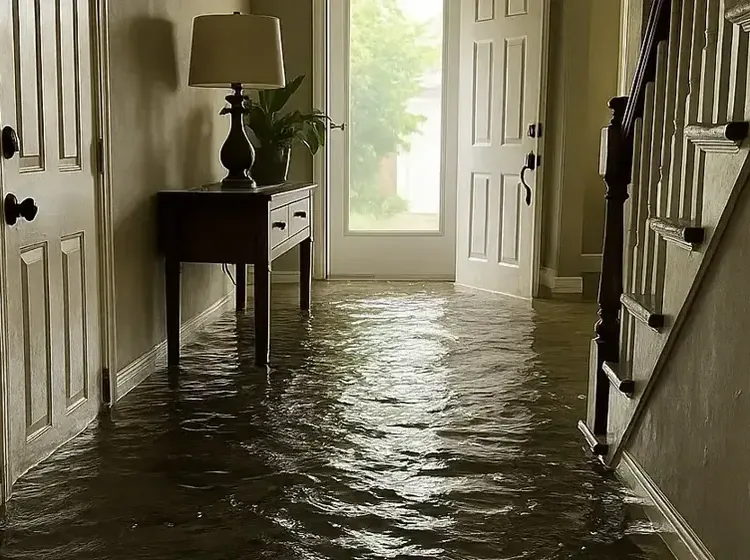
What a proper storm and flash flood cleanup job includes
Water damage is a drying problem first. The restoration team measures, extracts and dries to a reading, then records each step so the claim file holds up.
Dispatch at any hour
Active water is treated as urgent around the clock, weekends and holidays included, because drywall and subfloor keep soaking while water sits.
Dried to the IICRC S500 standard
Air movers and LGR dehumidifiers are sized to the class of loss, and materials are dried to within 2 to 4 points of a dry reference.
A claim file from the first visit
Moisture maps, daily psychrometric logs and timestamped photos taken before any demolition go into one file for the adjuster.
Planned for Piedmont houses
Crawl spaces over red clay, older mill houses and manufactured homes each dry differently, so the plan starts from how the house is built.
First steps for storm and flash flood cleanup
- Treat it as dirty
Outside flood water is handled as contaminated, with protection worn before anyone enters.
- Pump and haul
Pumps remove the water, then mud and debris are shoveled and hauled out.
- Strip ruined material
Soaked drywall, pad and insulation are cut out and bagged.
- Clean and dry
Surfaces are washed and treated, then equipment dries the structure.
What does storm and flash flood cleanup cost in Union, SC?
Flood cost depends on the depth of the water, how many rooms it reached and how much material is ruined. A garage or one room sits at the low end, while a whole lower floor reaches the top of the range.
Garage or one room
- Flood water pumped
- Mud removed
- Basic drying
Several rooms and the crawl space
- Drywall and pad out
- Crawl space cleared
- Daily readings
Whole lower floor
- Full material removal
- Cleaning and sanitizing
- Extended drying
Ranges are typical, not a quote. Water category, square footage, material class and how fast drying started move the number most. Try the water damage cost calculator for a closer range.
How storm and flash flood cleanup is handled, step by step
- 1
Protect
Crews put on protection and treat the water as dirty.
- 2
Pump
Water and mud leave the home.
- 3
Strip
Ruined drywall, pad and insulation come out.
- 4
Dry
Equipment runs until readings return to normal.
Flood water from outside is never clean. It crosses yards, drains and roads before it comes in, so the cleanup treats the floor, the walls and everything that soaked it up as contaminated.
South Carolina knows big water
The statewide flood of August 1908 is the most extensive on record in South Carolina, and Hurricane Helene caused significant damage in 33 counties in September 2024. Those are statewide events, not a claim about any one street, but they show how far storm water can travel inland.
Flood water inside the house? Stay out of it and describe what it reached to a crew.
(888) 532-8921Report the flood to a crewCreeks, crawl spaces and garages
Buffalo Creek runs beside the Buffalo mill village, and any home near a creek or a low yard should watch the ground after long rain. Garages and crawl spaces take water first, so the crew starts there, pumping, hauling out mud and checking what the water reached above.
From mud to dry
Once the water and silt are out, damaged drywall and flooring are removed, the structure is cleaned and dried, and readings confirm the finish. Anything porous that touched the water, such as upholstered furniture, is usually discarded. See sewage backup cleanup when drains overflowed too, or the storm flood overview.
Storm and flash flood cleanup across Union and nearby towns
Storm cleanup covers ZIP 29379, including homes near Buffalo Creek in the Buffalo mill village, the Excelsior and Monarch areas, and the older streets around Douglass Heights and downtown, wherever water has come in.
The same service nearby: storm and flash flood cleanup in Gaffney, Spartanburg, Kings Mountain.
Related water damage services in Union
Common questions about storm and flash flood cleanup
Is flood water different from a pipe leak?
Yes. Flood water collects soil, bacteria and chemicals on its way in, so it is treated as contaminated and many porous materials must go. A clean pipe leak is far easier to dry.
What gets thrown out after a flood?
Carpet, pad, insulation and drywall that soaked up flood water usually go, because they cannot be cleaned well. Hard surfaces and solid wood can often be washed, treated and dried.
How long until mold can start?
Mold can begin on damp surfaces in a day or two, so pumping and drying come first. Opening walls early lets air reach the studs before growth settles in.
Does insurance cover flood water?
Standard homeowners policies often treat outside flooding differently from a sudden leak, so a separate flood policy may apply. Ask the insurer early and keep photos and invoices.
Can the crew work while it is still raining?
Pumping and hauling can begin once it is safe, and drying works best after the water stops rising. The crew explains what to do first and what can wait.
Flood water has to go before drying
Pumps, haul-out and drying all follow once the water is described. Call and say how deep it got.
(888) 532-8921Get the flood cleaned up