Crawl Space Water Removal in Spartanburg, SC
Heavy rain, a leaking pipe or a failed drain can leave water pooled beneath the floor where nobody sees it. The extraction crew pumps the space out, removes soaked insulation and dries the joists before the floor above suffers.
(888) 532-8921Call about water under the house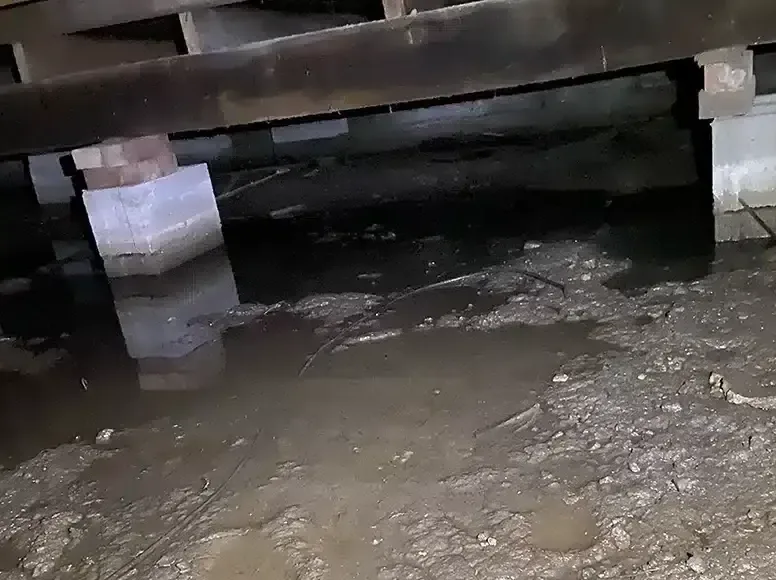
What a proper crawl space water removal job includes
Water damage is a drying problem first. The restoration team measures, extracts and dries to a reading, then records each step so the claim file holds up.
Dispatch at any hour
Active water is treated as urgent around the clock, weekends and holidays included, because drywall and subfloor keep soaking while water sits.
Dried to the IICRC S500 standard
Air movers and LGR dehumidifiers are sized to the class of loss, and materials are dried to within 2 to 4 points of a dry reference.
A claim file from the first visit
Moisture maps, daily psychrometric logs and timestamped photos taken before any demolition go into one file for the adjuster.
Planned for Piedmont houses
Crawl spaces over red clay, older mill houses and manufactured homes each dry differently, so the plan starts from how the house is built.
First steps for crawl space water removal
- Look before you go in
Check from the access door with a flashlight and stay out if water is near wiring.
- Stop the source
Shut the main valve if a pipe under the floor is leaking.
- Watch for sewage
A sour smell or slow drains suggest sewage, so skip laundry and flushing until it is checked.
- Photograph first
Take pictures of the water and the insulation before anything is removed.
What does crawl space water removal cost in Spartanburg, SC?
Expect $1,500 to $18,000 or more for crawl space water removal. A quick pump of the space sits at the low end, while wet joists, soaked insulation or weeks of standing water push the total toward the top.
Quick pump, caught early
- Standing water removed
- Ground cover checked
- Dehumidifier placed
Wet insulation and joists
- Insulation bagged out
- Joists and sills dried
- Daily readings taken
Sewage or long standing water
- Contaminated area sealed
- Disinfecting after removal
- Extended drying time
Ranges are typical, not a quote. Water category, square footage, material class and how fast drying started move the number most. Try the water damage cost calculator for a closer range.
How crawl space water removal is handled, step by step
- 1
Check
Meters and a camera show where the water sits
- 2
Pump
Submersible pumps empty the space of standing water
- 3
Remove
Wet insulation and debris leave the crawl space
- 4
Dry
Air movers and dehumidifiers run until readings settle
A crawl space collects whatever the ground and the house send down, and water there can sit for weeks without a visible sign upstairs. Spartanburg's soil is mostly the Cecil series and the city receives 51.3 inches of precipitation a year, so rain keeps testing the space under any house built over one. Wet insulation, sills and joists then hold that moisture against the floor above.
How the crawl space gets pumped and dried
- Submersible pumps clear standing water from the lowest spots
- Soaked insulation is cut loose, bagged and carried out of the space
- Debris and silt are removed from the ground cover
- Dehumidifiers and air movers run beneath the floor
Water standing under the house? Tell the extraction crew what the space looks like.
(888) 532-8921Talk to the crew nowSigns the water has reached the floor
A musty smell, cupped wood flooring, doors that suddenly stick or a bounce in the floor point to moisture below. Joists and subfloor that stay wet lose strength over time, so a meter check from underneath tells the drying team whether the framing needs equipment or only more airflow. Gaps in a vapor barrier or ground cover let moisture rise even after the pooled water is gone.
When sewage is involved
If the water smells like sewage or came from a backed up drain, the space is treated as contaminated. Insulation, debris and ground cover are removed, surfaces are disinfected and only then does drying start. See sewage and septic backup cleanup for the full process. Skipping that order only spreads contamination into dry framing and the air above the floor.
Crawl space water removal across Spartanburg and nearby towns
The extraction crew handles crawl space water for houses across the city, wherever a home sits over an enclosed space: around downtown, in Northside along the Butterfly Creek Greenway and around Beaumont Village.
The same service nearby: crawl space water removal in Gaffney, Union, Forest City.
Water damage restoration in Spartanburg · every town covered
Related water damage services in Spartanburg
Common questions about crawl space water removal
Is water in a crawl space always a problem?
A little condensation or a damp film is common, but standing water, dripping pipes or muddy ground are not. Water that lasts more than a day or two wets the wood above and invites mold.
Should wet insulation be replaced?
Almost always. Batts soak up water, sag against the subfloor and block drying, so they are removed and replaced once the wood tests dry. Replacing it early also keeps the floor above from staying damp.
How long does a crawl space take to dry?
Several days is common once standing water is gone, longer for framing that sat wet for weeks. The drying team checks joists and subfloor with a meter at each visit until they match dry wood.
Can water below hurt the floors above?
Yes. Wet joists and subfloor lose strength, and hardwood or laminate above can cup, buckle or soften. Drying the space early usually protects the flooring, and the drying service covers the rooms above.
What if the water smells like sewage?
Stop using drains, laundry and toilets until the source is found. Sewage in a crawl space is treated as contaminated, so the affected insulation and debris are removed and surfaces disinfected before drying.
Does the water return after heavy rain?
It can, if the problem is surface drainage, gutters or grading. The crew removes the water already inside, and fixing downspouts, grading or a pipe leak is a separate repair.
Soggy insulation and wet joists? Get them dried.
Whatever sits under the floor keeps pulling moisture upward. The crew empties the space, hauls out soaked material and dries the framing until the meter agrees.
(888) 532-8921Empty the crawl space