Water Damage Restoration Forest City, NC
Forest City homes face burst pipes, failed water heaters, sewage backups and storm flooding. A restoration team pulls out the water, dries the structure and documents the loss for the insurance claim.
(888) 532-8921Call a Rutherford County drying crewCall now, any hour, and describe what is wet. The crew explains the next steps before any work begins.
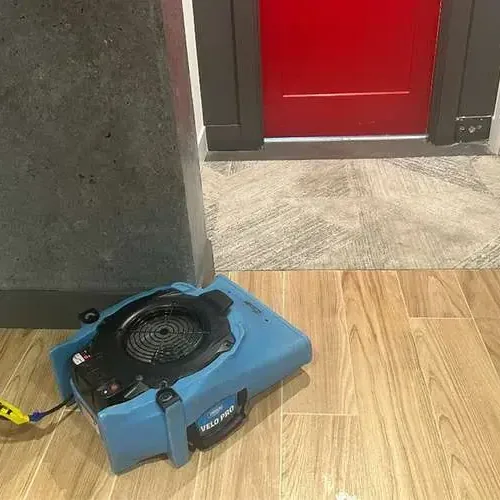
Water damage services for Rutherford County homes
Water reaches a house in many ways, from a flooded floor to a leak above a ceiling. The restoration team treats each source differently, and every service ends with a dry structure.
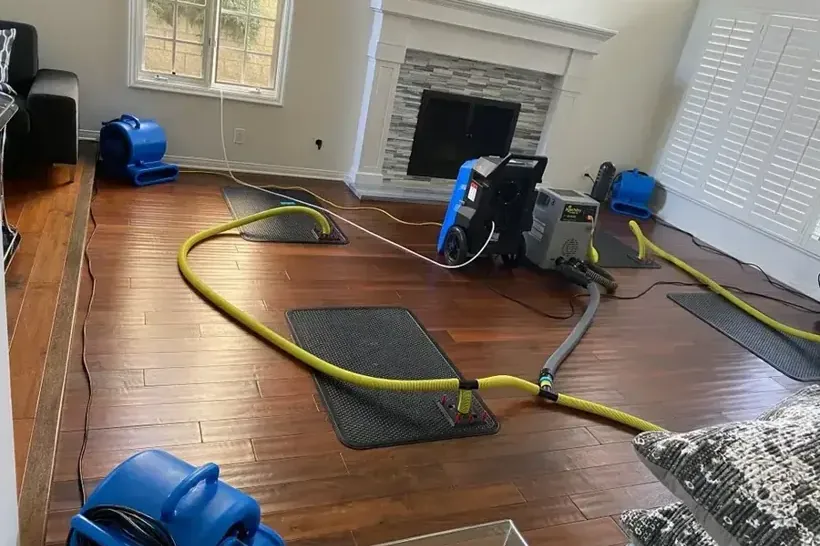 01Water Extraction and RemovalPumps and extraction wands remove standing water from carpet, subfloors and low spots before it soaks deeper into the structure.See the service
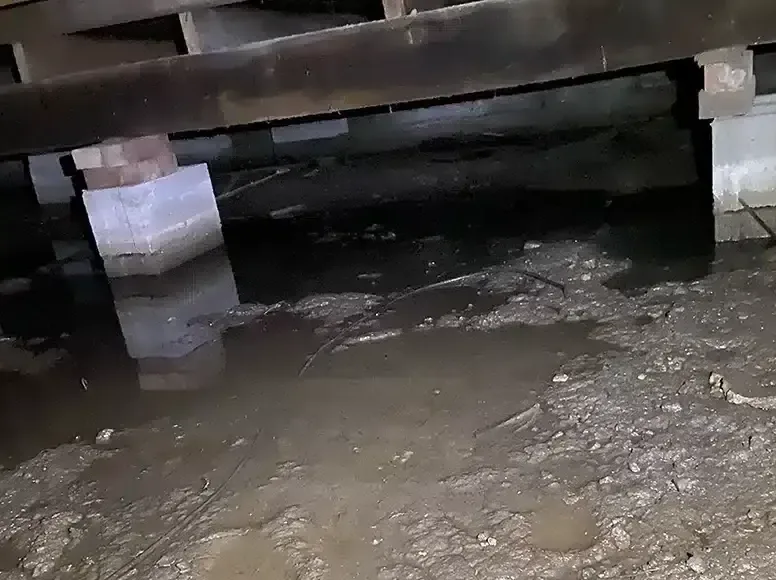 02Crawl Space Water RemovalPooled water beneath the floor is pumped out, wet insulation comes out, and the joists get checked and dried.See the service
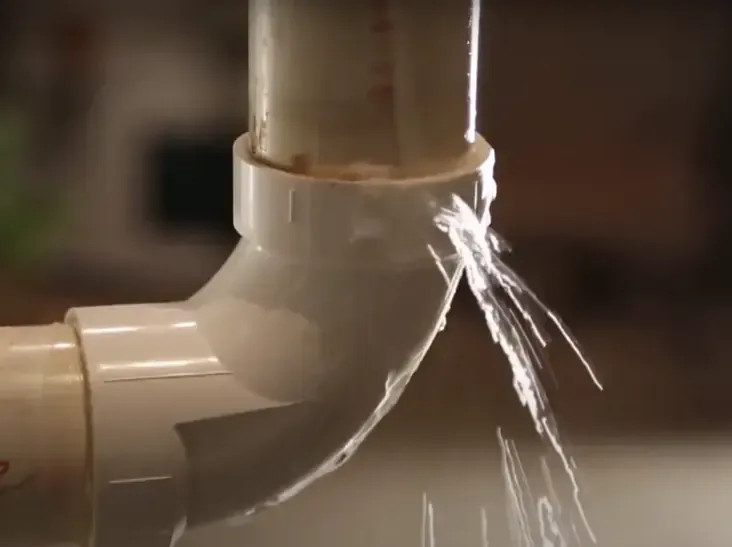 03Frozen and Burst Pipe Water DamageA split or frozen pipe can soak several rooms. After shutoff, the water is extracted and wet walls are opened to dry.See the service
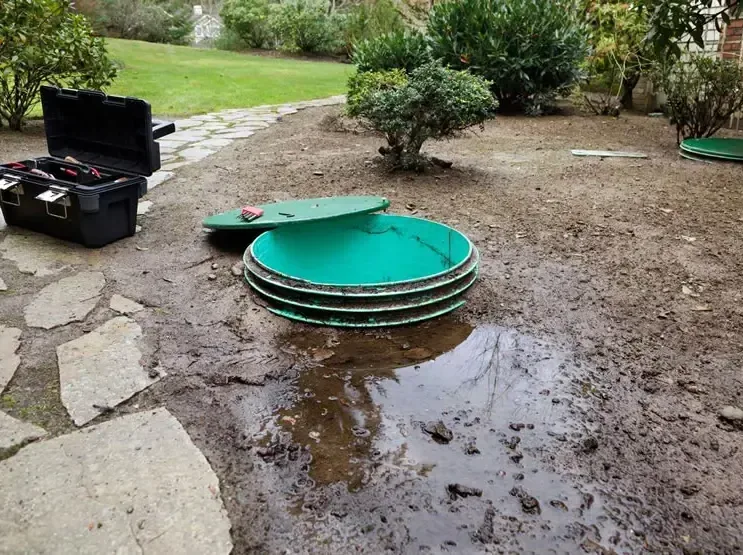 04Sewage and Septic Backup CleanupBacked-up sewage or septic water is removed in protective gear, then affected surfaces are cleaned, treated and dried.See the service
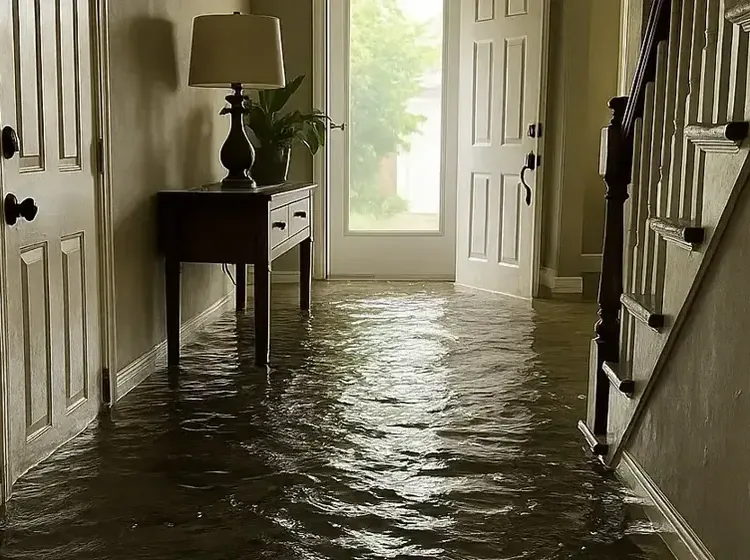 05Storm and Flash Flood CleanupStorm and river flooding leave debris and soaked flooring, so the crew clears the water and removes what cannot be saved.See the service
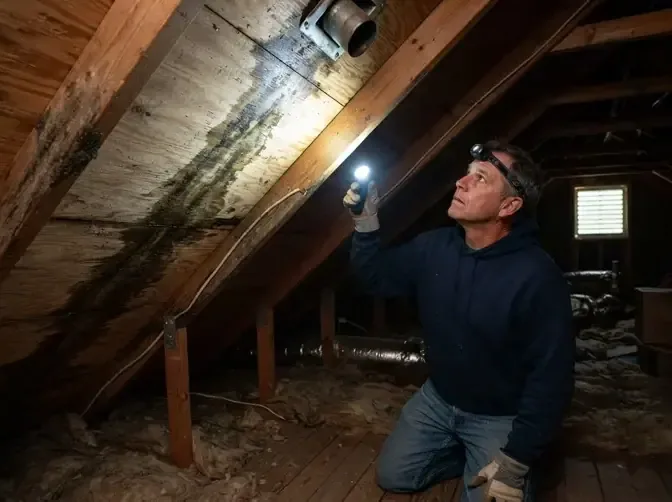 06Roof Leak Water DamageRain coming through a damaged roof wets insulation, ceilings and walls, and the affected layers are opened and dried.See the service
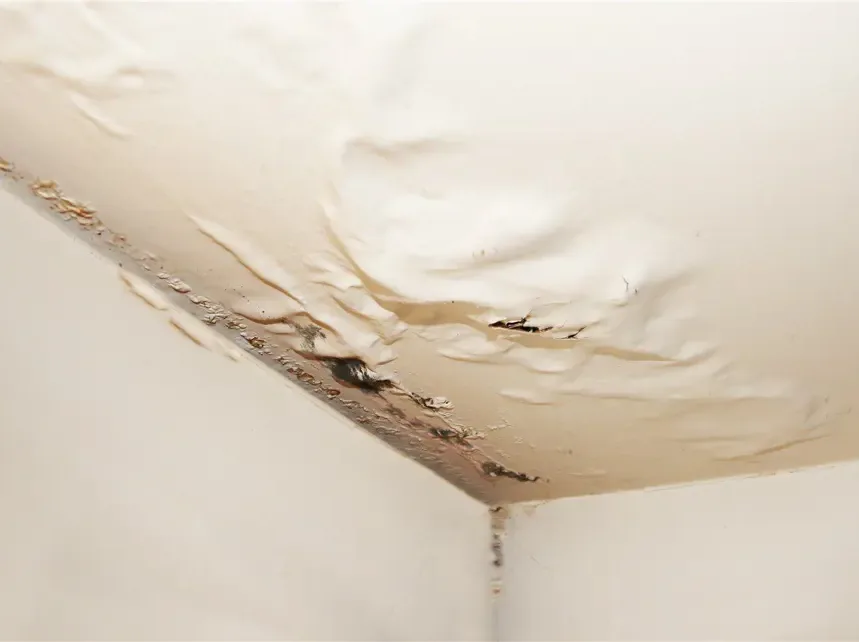 07Ceiling Leak Water DamageA stained or sagging ceiling means water is trapped above it, so the area is opened, drained and dried.See the service
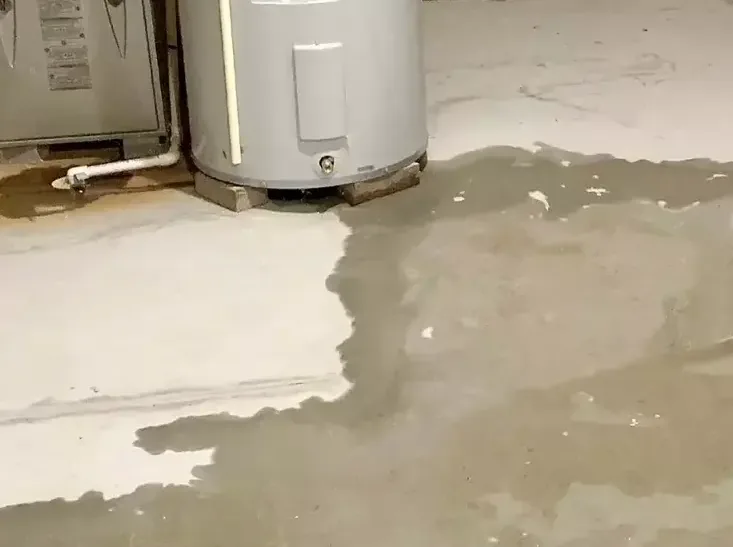 08Water Heater Leak CleanupA failed tank can flood a closet, garage or utility room, so the water is removed before it reaches nearby floors.See the service
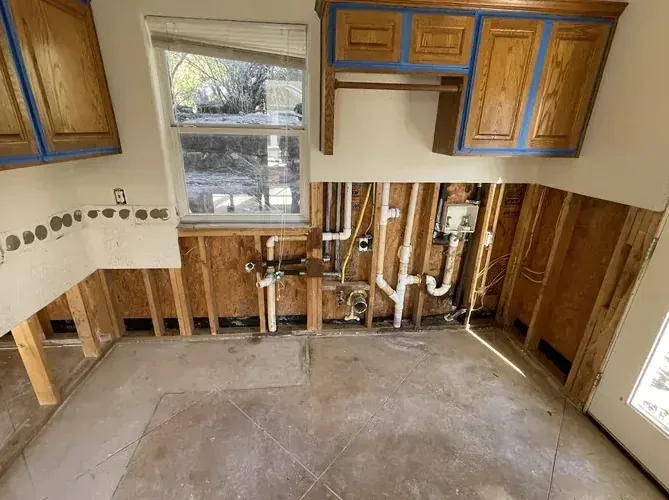 09Appliance and Supply Line LeaksWashers, dishwashers and refrigerator supply hoses can leak for days, hiding water under cabinets and flooring.See the service
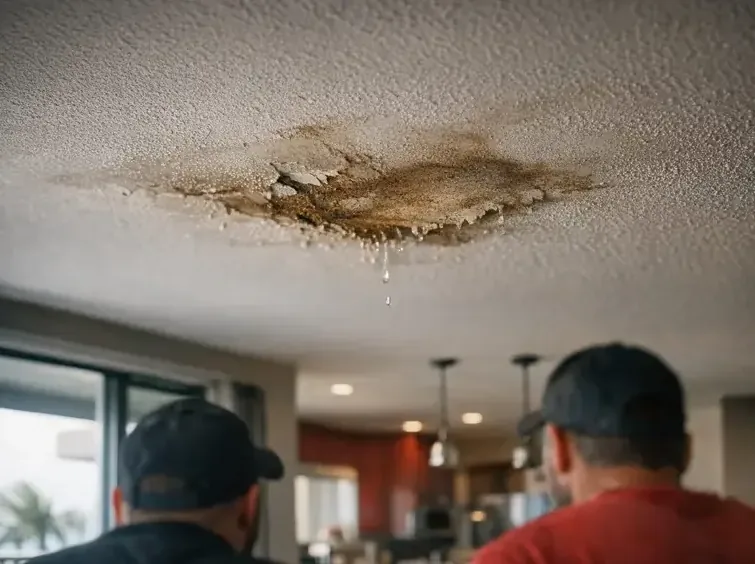 10Manufactured Home Water DamageFloors and walls in manufactured homes dry differently, so the crew checks the underfloor and wall cavities for hidden moisture.See the service
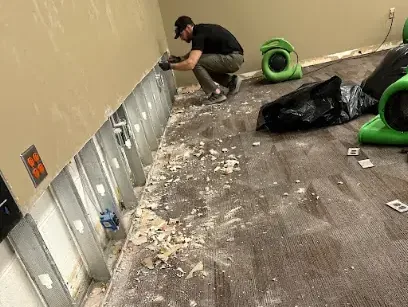 11Structural Drying and DehumidificationAir movers and dehumidifiers pull moisture out of framing and drywall until meter readings match dry materials.See the service
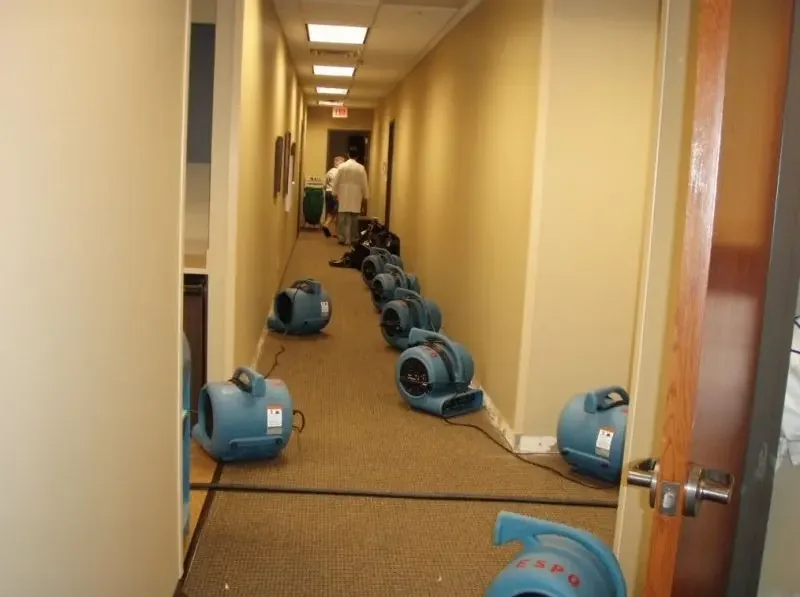 12Commercial Water DamageShops, offices and public buildings get a drying plan built around the layout of the building and the business schedule.See the service
What a prepared restoration team brings to the job
Water damage gets worse by the hour, so the work follows a set order: stop the source, remove the water, dry the structure and record each step.
Extraction comes first
Pumps and wands pull standing water before it can wick into baseboards, subfloors and cabinet bases.
Moisture mapping
Meters and thermal readings show where water traveled, so wet drywall and flooring get found instead of guessed.
Equipment sized to the loss
Air movers and dehumidifiers are placed by room volume and material, then adjusted as the readings fall.
Records for the insurer
Photos, readings and equipment notes are kept dated, giving an adjuster a clear file of what happened and when.
Drying equipment matched to the water
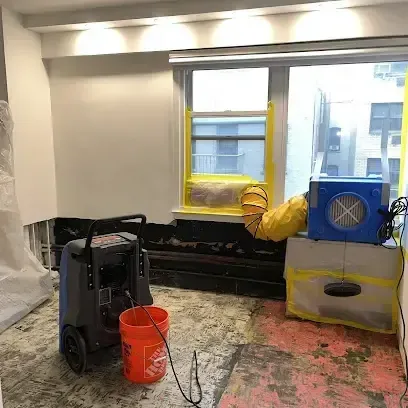
Restoration drying relies on controlled airflow and dehumidification rather than open windows or box fans. Readings taken at each visit show when a wall, floor or ceiling is dry.
- Find the water: Moisture readings trace the spread through floors, walls and ceilings, not only the wet spot you can see, so hidden pockets are found early.
- Open what holds water: Wet insulation, baseboard and soaked drywall are cut back so trapped moisture can escape, keeping each opening as small as the readings allow.
- Run the equipment: Air movers and dehumidifiers work together in a closed space, and the setup changes as the readings drop.
- Confirm dry: Final readings are compared with dry material nearby before any equipment is removed and the area is released for rebuilding.
Water damage help for the county's most populous town
Forest City is the most populous municipality in Rutherford County, with 7,377 residents counted in the 2020 Census. Houses, shops and public buildings here share one weakness: water can enter from above, from below and through the plumbing.
A restoration team can respond to a soaked floor, a leaking ceiling or a sewage backup, and the same drying standards apply whether the loss is small or spread across a whole floor.
Browse nearby service areasWhat does water damage restoration cost here?
Cost depends on how much water entered, how long materials stayed wet and whether the water was clean or contaminated. Most losses fall into one of three bands, and the drying scope sets the final figure.
Caught early, few rooms
- Water removal and cleanup
- Targeted drying
- A few days of equipment
Several rooms affected
- Wall and floor opening
- Longer equipment run
- Daily moisture readings
Whole floor or contaminated water
- Material removal
- Surface treatment
- Extended drying
These ranges cover typical residential jobs. A technician measures the loss on site, and the written scope explains each charge before the work is approved. Insurance coverage varies by policy.
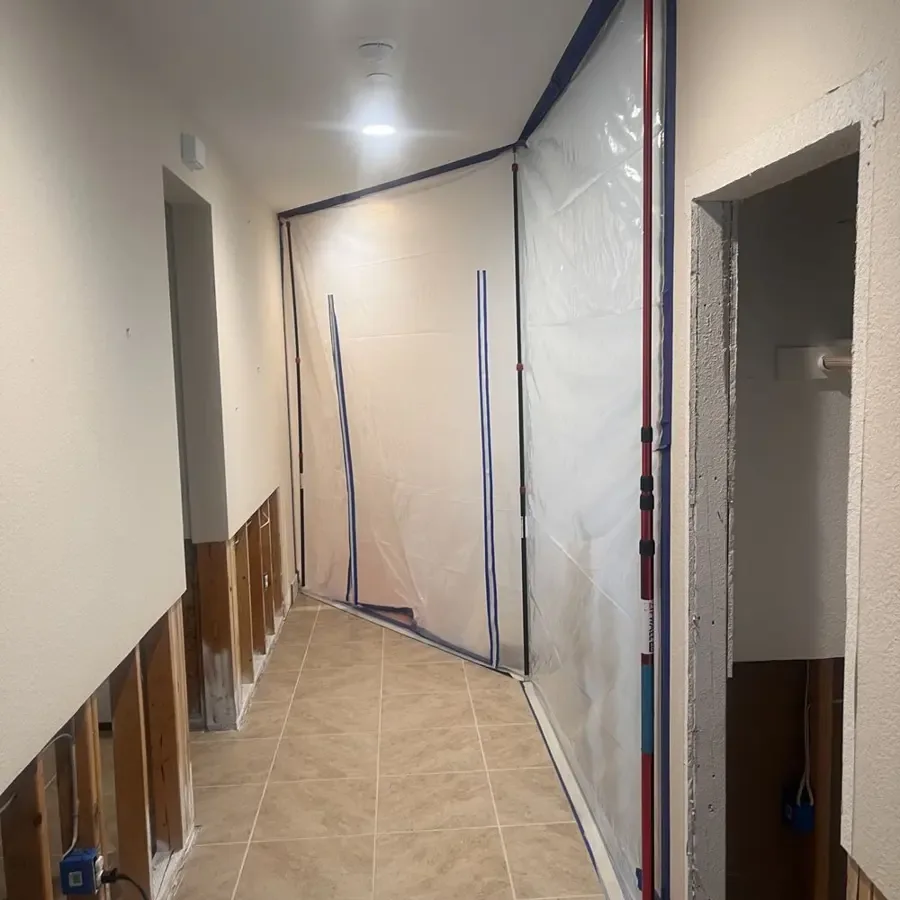
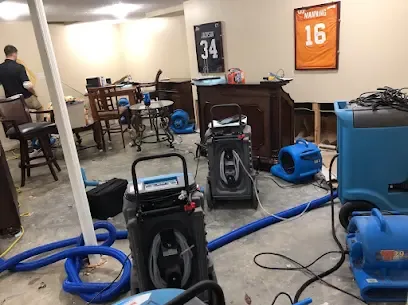
What water damage restoration looks like on a job
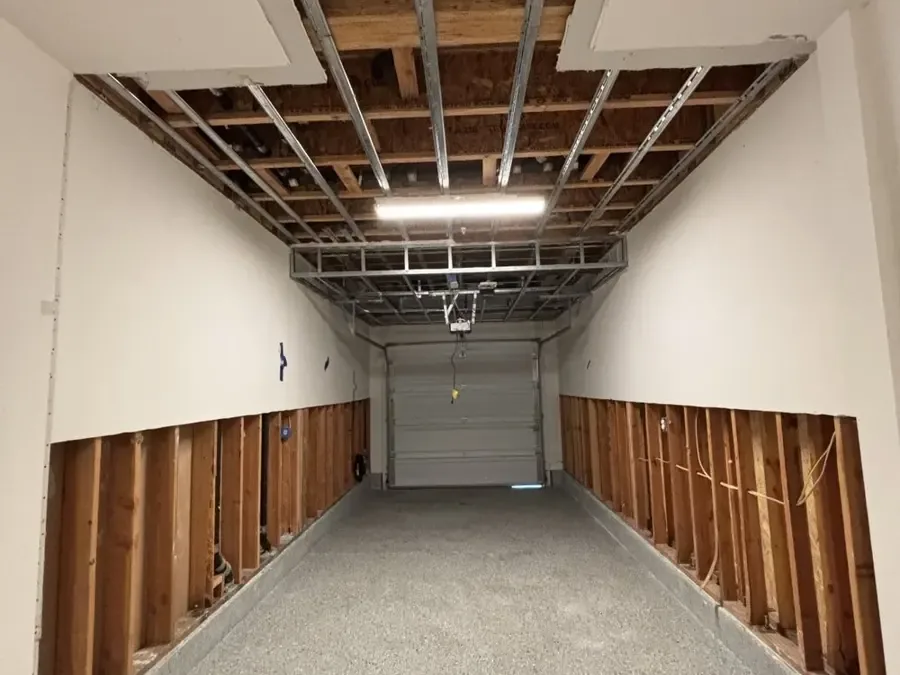

Documenting the loss for your claim
Adjusters want proof of what was wet, when it was found and what was done. The restoration team builds that file as the work happens.
- Dated photos of every wet room, wall and damaged item
- Moisture readings taken before drying starts and again at the end
- A written list of the materials removed and the reason for each
- Equipment placement notes and how long each unit ran
- Receipts for emergency repairs and temporary protection
What owners can do first
While waiting, move photos and electronics out of the wet area and take your own pictures before anything is touched. Keep damaged items until the adjuster has seen them.
Do not run a household vacuum on standing water, and do not use a ceiling fan in a room with a wet ceiling.
What to do in the first moments of a water loss
- Stop the source: Shut off the supply valve or the main if water is still running, and keep everyone out of wet rooms with exposed wiring.
- Make it safe: Turn off power to wet areas at the breaker box. Never step into standing water near outlets or appliances.
- Photograph everything: Take wide and close photos of the damage, wet belongings and the water source before moving anything, for the claim file.
- Lift what you can: Pull up small rugs, move furniture off wet carpet and set wood legs on foil or blocks to limit staining.
- Call for extraction: Describe the water source and the rooms affected so the team brings the right pumps, meters and drying equipment.
Service across Forest City and Rutherford County
Roads and districts covered
Nearby towns
Water damage restoration reaching Forest City, NC homes
Homes and businesses in the 28043 area can call for extraction, drying and cleanup at any hour.
Neighboring Spindale and Bostic fall within the same coverage, so a loss just outside town gets the same crews and equipment.
(888) 532-8921Talk to the drying team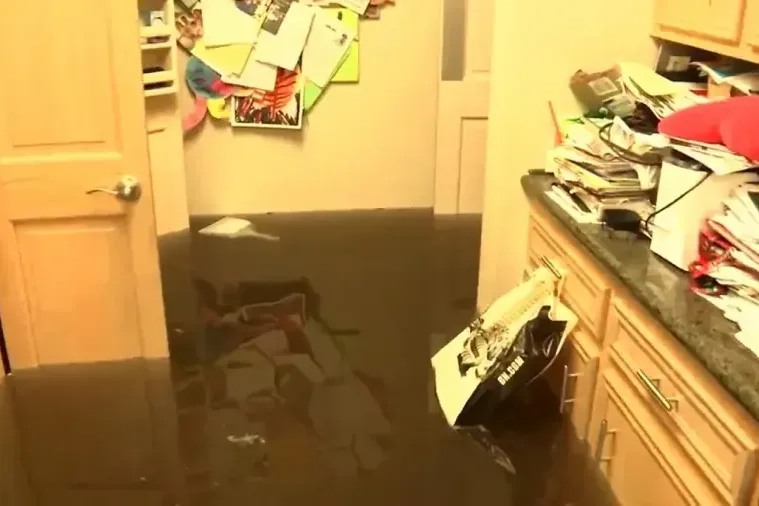
Water risks around Forest City
Rutherford County has seen river flooding, hard thunderstorms and a recent water service interruption. Each one points to a different kind of water problem, and each calls for a different drying plan.
- Broad River flooding: Helene flooding along the Broad River in September 2024 reached parts of Rutherford County, a reminder that river water can enter a home and leave silt and debris behind.
- Summer thunderstorms: Saturday night thunderstorms in July 2016 dropped trees on cars and homes across Rutherford County, and a storm that opens a roof lets rain into ceilings and attics.
- Water service interruptions: A water main break on May 30, 2026 led the town water department to issue a Boil Water Advisory, lifted the next day. Open taps are worth checking when pressure returns.
- Historic district buildings: Four National Register historic districts shape the town, and water in historic buildings calls for careful, material-by-material drying.
- Winter freezes: A winter storm in late January 2026 put measurable snow in all 100 North Carolina counties, a reminder that pipes in cold walls and crawl spaces can split.
September 2024: Hurricane Helene brought flooding and landslides to western North Carolina, and Broad River flooding reached parts of Rutherford County including Forest City.
Clean, gray and black water need different handling
The category of water decides how a loss is cleaned, which materials are thrown out and what protective gear the crew wears.
Clean supply water
Water from a split supply pipe or a failed tank starts clean, but it turns worse the longer materials stay wet.
Burst pipe drying helpGray water
Washers, dishwashers and drains release water carrying soap and some contamination, so soaked porous materials such as carpet usually go.
Appliance leak cleanupBlack water and sewage
Sewage and river flood water carry bacteria. Porous materials are removed, and surfaces are cleaned, treated and dried.
Sewage backup cleanupCommon water damage questions
How quickly should water damage be dried?
Drying should start as soon as the source is stopped, because wet drywall, insulation and wood can begin to grow mold within 24 to 48 hours. Early extraction also keeps the affected area smaller.
Does homeowners insurance usually cover water damage?
Policies often cover sudden events such as a burst pipe and exclude gradual leaks or rising flood water, which needs separate coverage. The policy wording and the adjuster decide, so keep records of everything.
What should be done while waiting for the crew?
Stop the source if it is safe, switch off power to wet rooms and photograph the damage. Lift small items off wet flooring, and leave larger removals until the crew has looked at the loss.
Can wet carpet be saved after a leak?
Carpet soaked by a clean water leak and extracted promptly can often be dried in place. Carpet that sat in gray or black water is normally removed, because the pad and fibers hold contamination.
How is a sewage loss different from a pipe leak?
Sewage water carries bacteria, so the crew wears protective gear, removes porous materials and treats the surfaces. A clean pipe leak usually needs drying only, with far less material removed.
Why do walls sometimes get opened during drying?
Water travels behind baseboards and inside wall cavities where air cannot reach it. A small opening lets the crew check the insulation and move air through the space so the framing dries.
How long does drying equipment stay in a home?
Equipment runs until moisture readings in the affected materials match readings from dry parts of the house. The length depends on the materials and the amount of water, so no fixed count fits every job.
Can flood water from a river be handled like a pipe leak?
No. After storm flooding such as Hurricane Helene along the Broad River, the water is treated as contaminated, so soaked porous materials come out and the structure is cleaned before drying begins.
Do historic buildings need a different drying approach?
The moisture science is the same, but trim, plaster and flooring are handled more carefully. The team reads each material separately and dries gradually to limit warping and cracking.
What should be said when calling a Forest City water damage crew?
Describe the source, the rooms that are wet and whether the water looks clean or dirty. Mention any power issues, so the crew can bring the right pumps and protective gear.
Water in the house? Reach a Forest City drying crew
The team can talk through the water source, the rooms affected and the next safe step. Describe what happened.
(888) 532-8921Phone the restoration team now