Water Damage Restoration Shelby, NC
Water damage restoration in Shelby, NC, around the clock. The response team removes standing water from homes and storefronts, dries framing and floors to the IICRC S500 standard and keeps a dated record for the insurer.
(888) 532-8921Storm water or a leak inside? Call the crewStorm runoff, burst pipes and sewer backups get urgent handling at any hour, including weekends, nights and holidays.
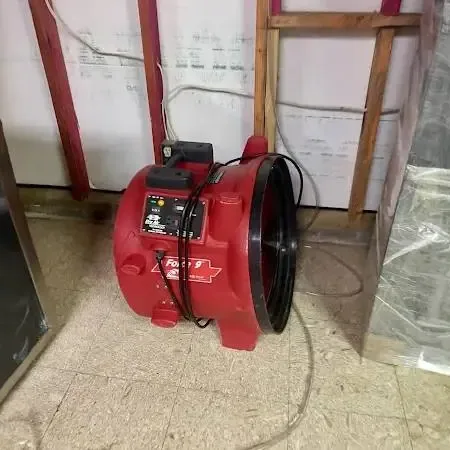
Water Damage Restoration Services in Shelby, NC
Water and sewage work only, sized for older buildings in the historic districts, uptown storefronts and family homes across the city and the county, with each job dried to a measured reading.
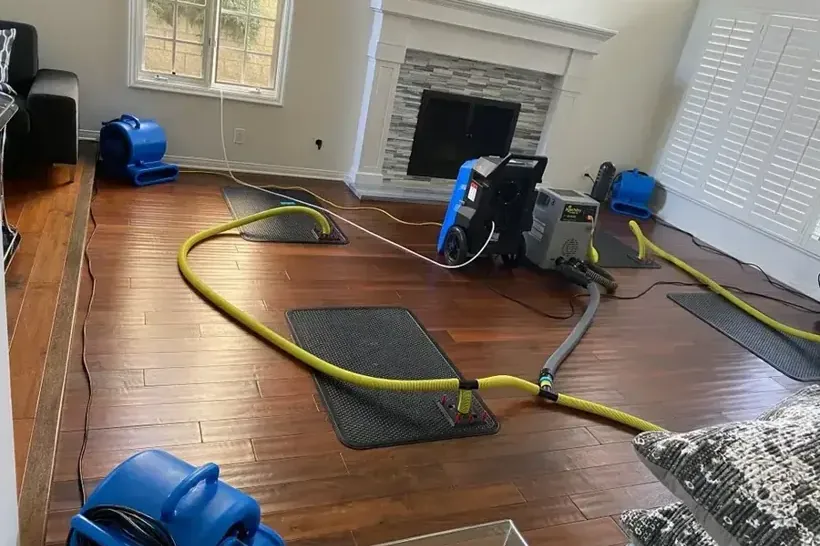 01Water Extraction and RemovalPumps and weighted extraction tools lift standing water out of carpet, pad and wood floors so drying starts sooner.See the service
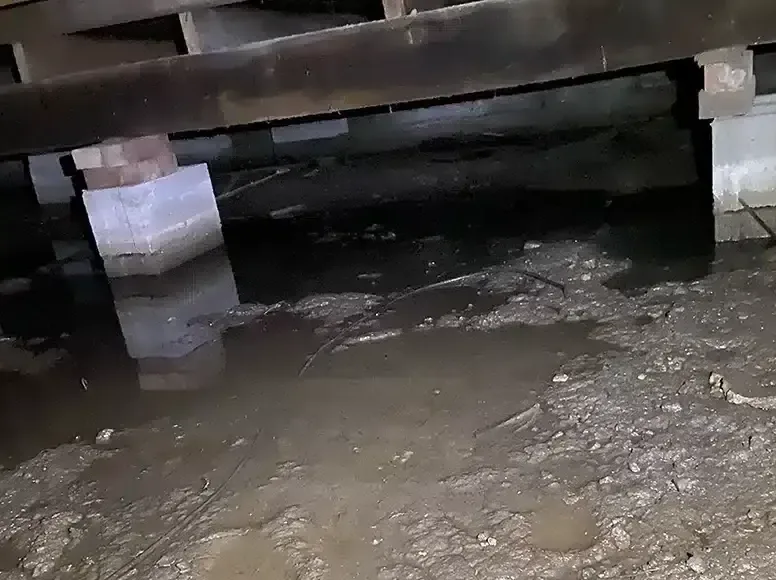 02Crawl Space Water RemovalWhen water collects under a raised floor, it is pumped out, soggy insulation comes down and the joists are dried.See the service
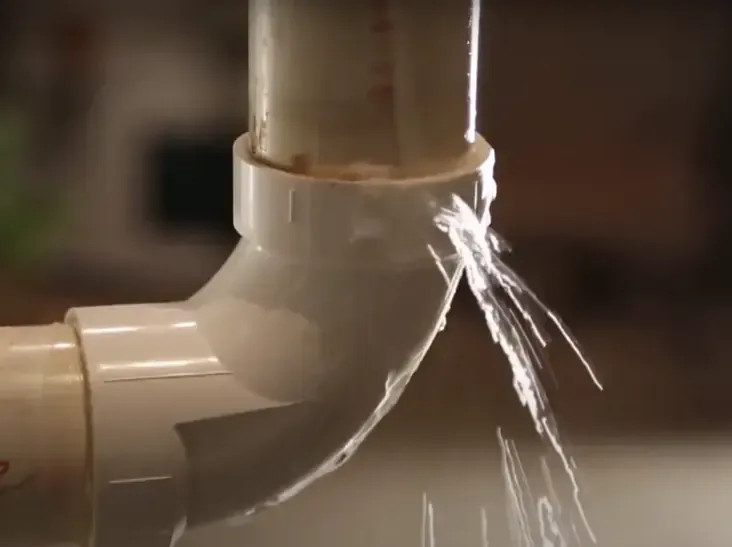 03Frozen and Burst Pipe Water DamageA pipe that splits in the cold empties into walls and ceilings quickly. Cavities are opened, extracted and dried.See the service
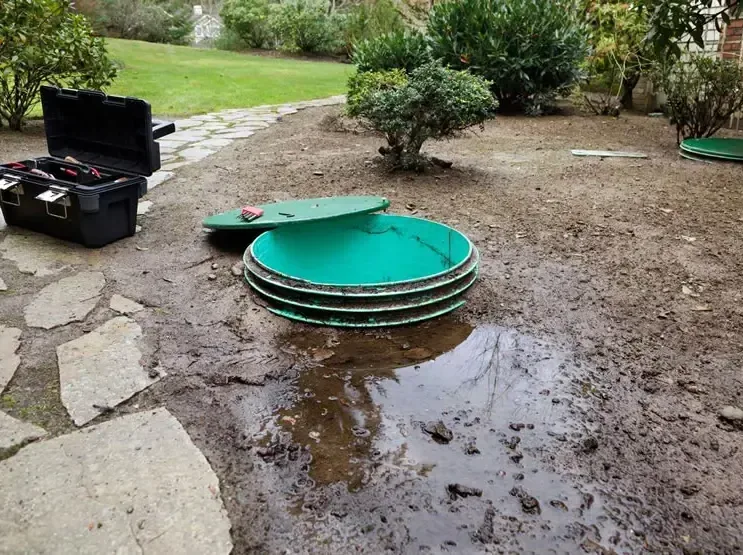 04Sewage and Septic Backup CleanupSewer backups are treated as contaminated from the first visit, with sealed work areas, protective gear and disinfection.See the service
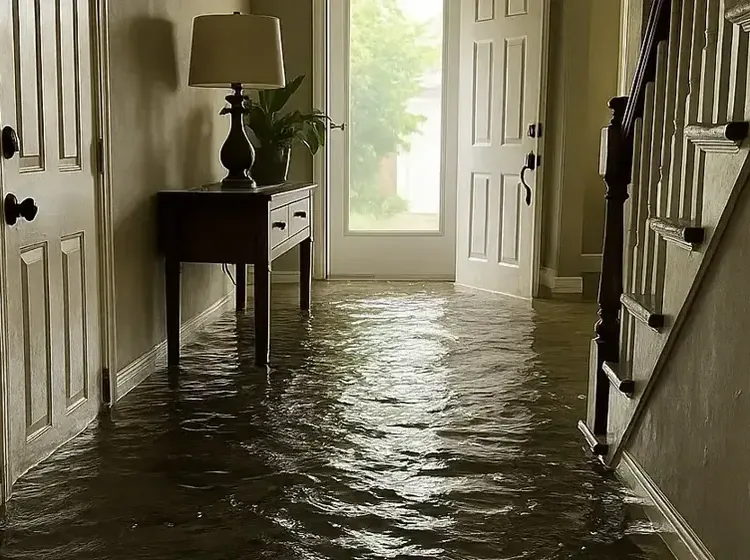 05Storm and Flash Flood CleanupRunoff from heavy rain and creek overflow carries dirt and bacteria, so soaked flooring and wall bottoms are removed.See the service
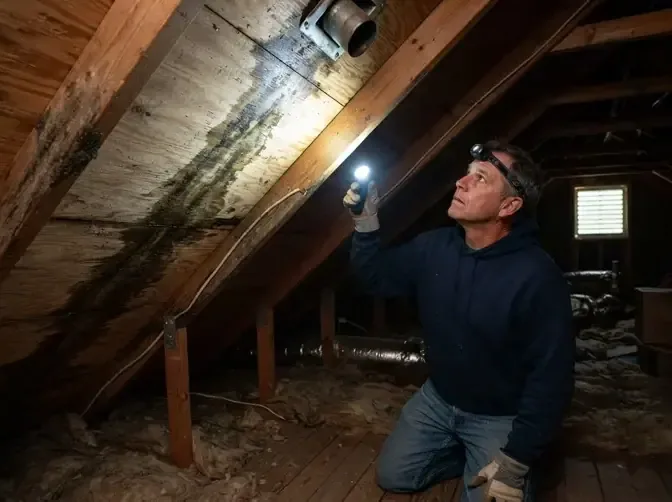 06Roof Leak Water DamageStorm winds and falling trees open roofs. Wet attic insulation is pulled and the decking and ceilings below are dried.See the service
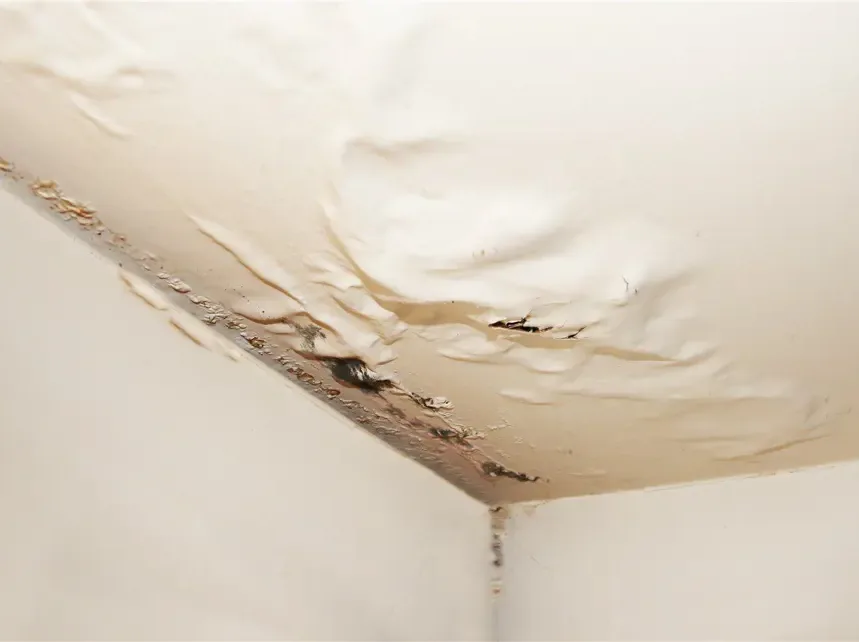 07Ceiling Leak Water DamageLeaks from a bathroom or an upstairs pipe are traced across the joists before any drywall is cut or dried.See the service
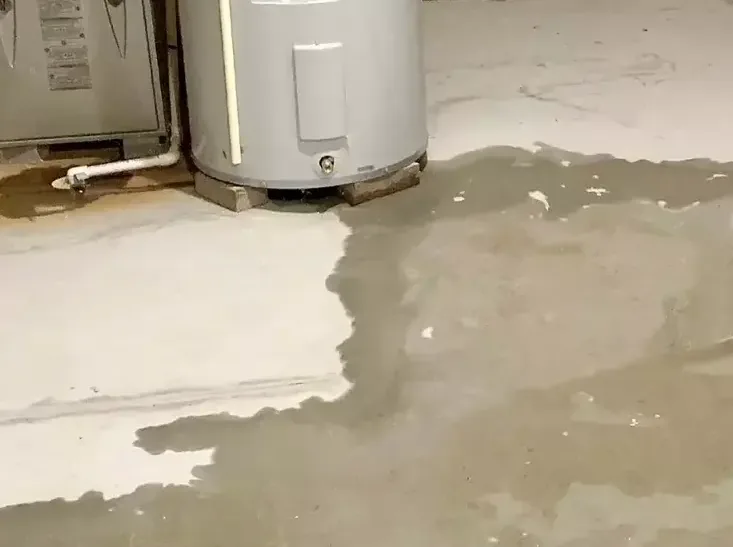 08Water Heater Leak CleanupA tank that gives out in a closet or utility room is shut down, extracted and dried before the floors swell.See the service
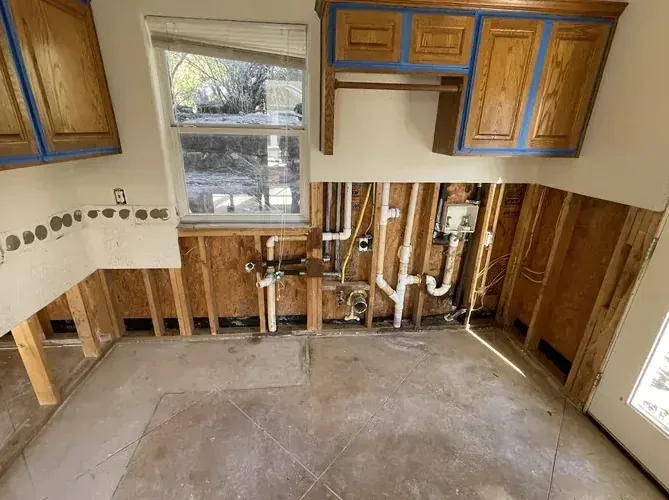 09Appliance and Supply Line LeaksLeaks from washers, dishwashers and refrigerator water tubing hide under cabinets and flooring until moisture meters find them.See the service
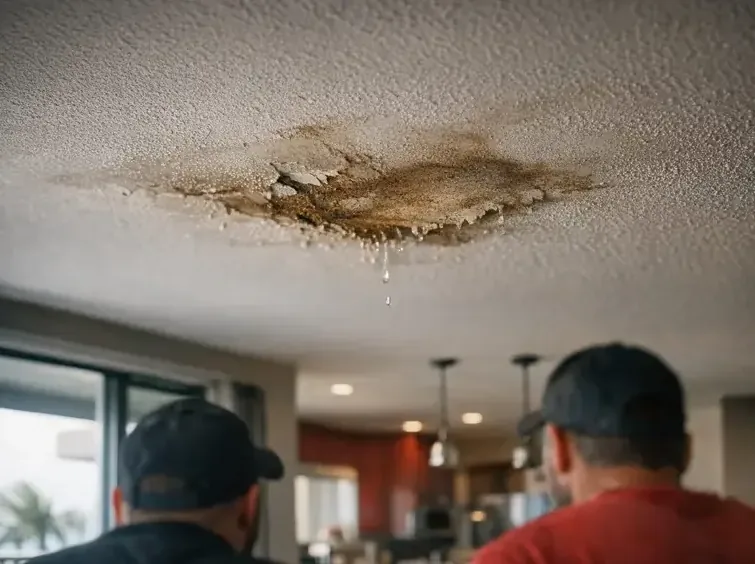 10Manufactured Home Water DamageWater trapped on particleboard floors or in the belly wrap under a manufactured home is drained and dried out.See the service
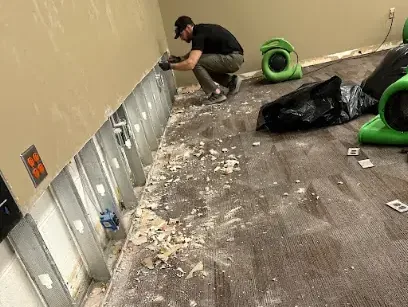 11Structural Drying and DehumidificationFraming, subfloor and plaster are dried with air movers and LGR dehumidifiers until readings match dry material.See the service
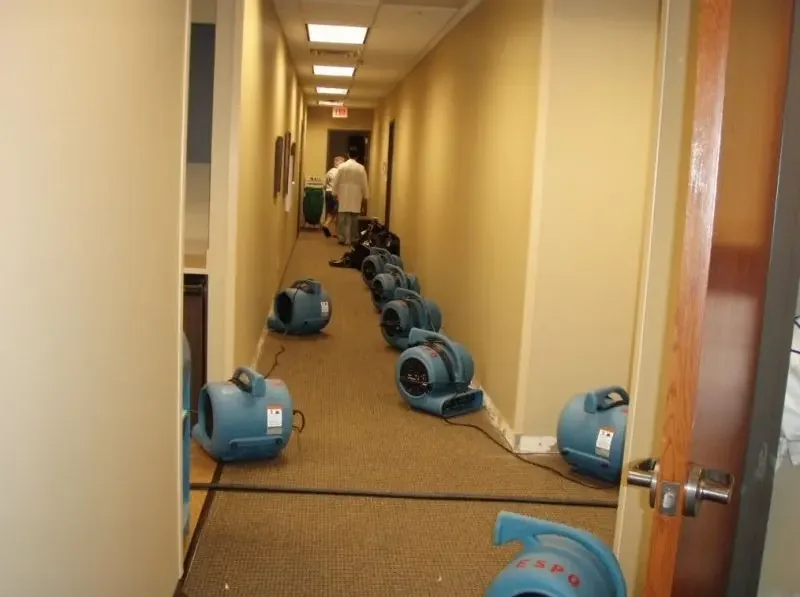 12Commercial Water DamageStorefronts, offices and civic buildings are dried in sections so the doors can stay open during the work.See the service
Four commitments behind every dry-out in the area
Each job is measured before anything is cut, dried against a reading rather than a calendar date, and written up so the adjuster sees what was wet and why.
Dispatch at any hour
Active water gets urgent handling day and night across Cleveland County, because flooring and drywall soak up more the longer it sits.
Measured drying
Air movers and LGR dehumidifiers match the class of loss, and the equipment stays until the materials test dry.
A file the adjuster can use
Moisture readings, daily humidity logs and dated photos taken before demolition are kept together for the claim.
Care with older buildings
Plaster, wood floors and old framing in historic homes dry slowly, so the plan allows for slower, measured drying.
How a dry-out follows the IICRC S500 standard
The S500 standard looks past wet carpet to the structure underneath. Subfloor, studs and plaster hold moisture well after a surface feels dry, so readings, not touch, decide when the work is finished.
- Walk and measure: The first visit pins down the source, the water category and the class of loss, and charts moisture in every wet room and the space below.
- Remove the water: Extraction units and pumps take out standing water from floors and from under the house where it collects.
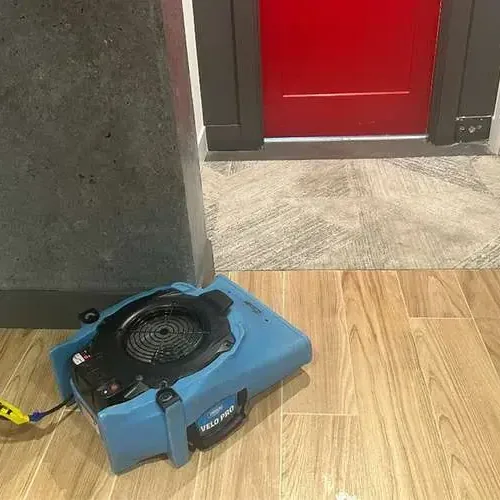
- Dry the structure: Air movers and LGR dehumidifiers run in a sealed area sized to the loss, aimed at the wettest materials.
- Prove it is dry: The same spots are tested each day, and equipment comes out only once readings match unaffected material in the home.
Water damage help across the city, day or night
The restoration team covers the city from the uptown blocks around the Cleveland County Courthouse to the homes along U.S. Route 74 and NC Highway 18. The work is limited to water and sewage: water removal, drying and records for the claim.
The area sits in the Piedmont, where clay soil sheds hard rain toward foundations, and the county averages about 48 inches of rain a year. Each plan starts with where the water went, not just where it showed up.
See the service area mapWhat does water damage restoration cost in Shelby, NC?
In Shelby, most water damage restoration jobs run $1,200 to $6,000 when clean water is caught early in one or two rooms, and $6,000 to $25,000 or more once sewage, storm runoff or water under several rooms is involved.
Clean water, caught early
- One or two rooms
- Water removal and drying
- Several days of equipment
Several rooms or under the floor
- Soaked insulation pulled
- Subfloor and framing dried
- Flooring lifted as needed
Sewage or storm runoff
- Sealed work area
- Porous materials removed
- Disinfection, then drying
These are typical ranges, never a quote. The water category, the wet area, the materials and how quickly drying began set the final figure. For a closer number, try the cost calculator.
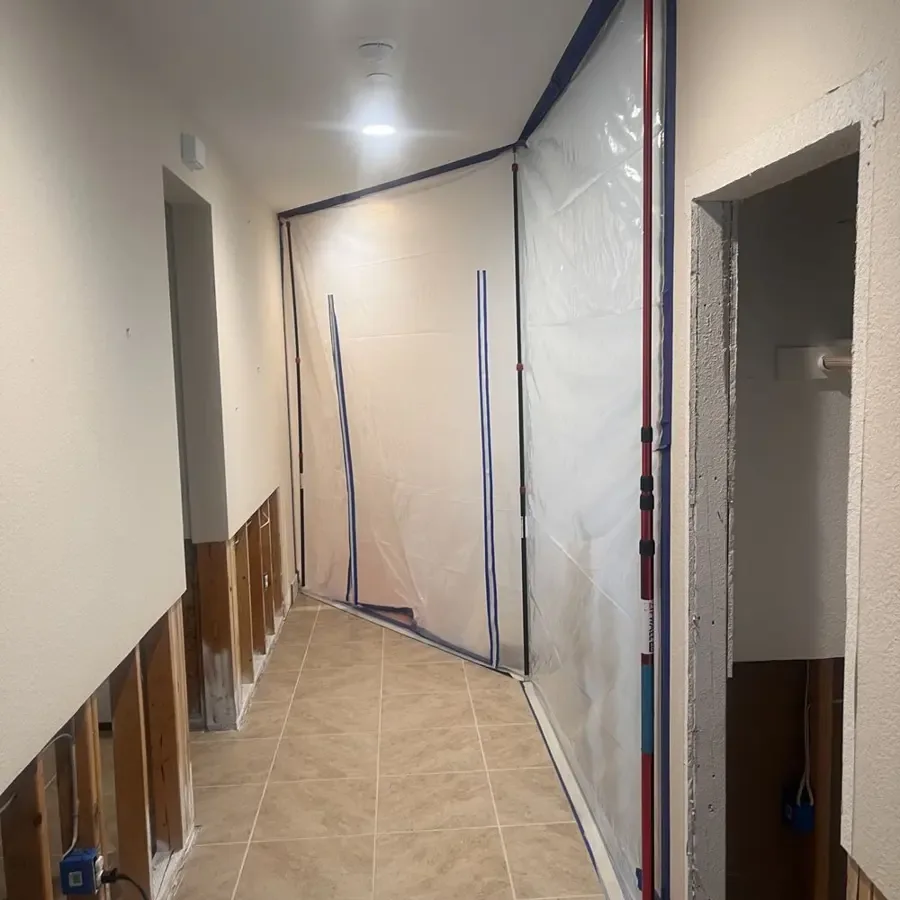
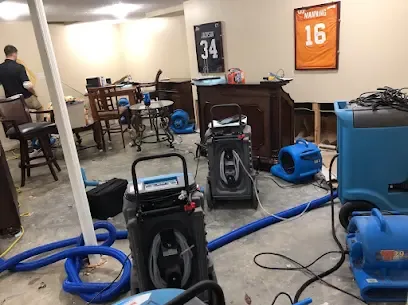
What water damage drying looks like inside a home
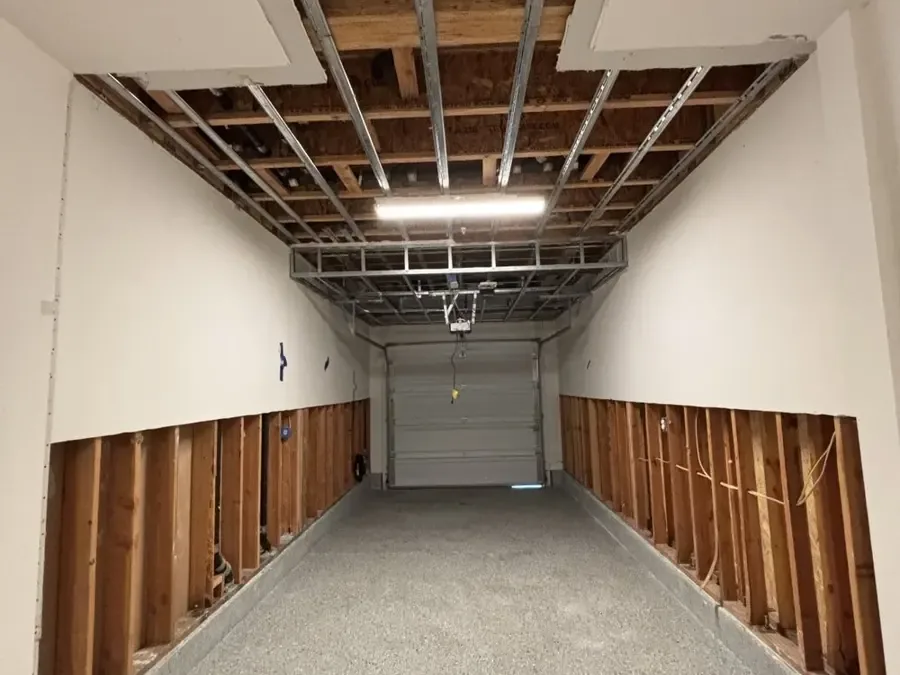

What the claim file contains
Insurers decide claims on records. The drying team keeps the file current while the equipment runs, so it matches what got wet and what was done.
- Moisture readings for each wet room, wall and floor
- Daily humidity and material logs until the job is dry
- Dated photos taken before anything is torn out
- The water category, the class of loss and the source
- An itemized scope of the work performed
Read your own policy
A sudden break, such as a pipe that splits, is often covered. Rising water from a storm or a creek usually needs a separate flood policy, and a sewer backup often needs its own endorsement.
Every policy differs, so check yours or call the insurer early. A complete file helps whatever the answer is.
What to do in the first hour of a water problem
- Close the main valve: Turn off the water at the main shutoff or at the fixture. If the source is a sewer backup, stop running water anywhere in the house.
- Switch off wet circuits: If the electrical panel is dry, turn off the breakers for rooms with water. Keep clear of outlets and cords sitting in water.
- Leave the drains alone: During a backup, skip flushing, showers and laundry until the drain is clear, so more wastewater does not come up.
- Take pictures first: Photograph the water, its source and every damaged item before anything is moved or thrown out.
- Call for extraction: Drywall and subfloor keep absorbing water by the hour, and mold can start within 24 to 48 hours.
Historic districts, highways and ZIP codes covered
Districts and corridors
Nearby places
One number reaches the drying team anywhere in the city
Dispatch covers the uptown blocks, the three historic districts and the neighborhoods off U.S. Route 74 and NC Highway 18.
Say where the water came from and which rooms it reached, and the crew brings pumps, meters and dehumidifiers.
(888) 532-8921Send pumps and dehumidifiers my way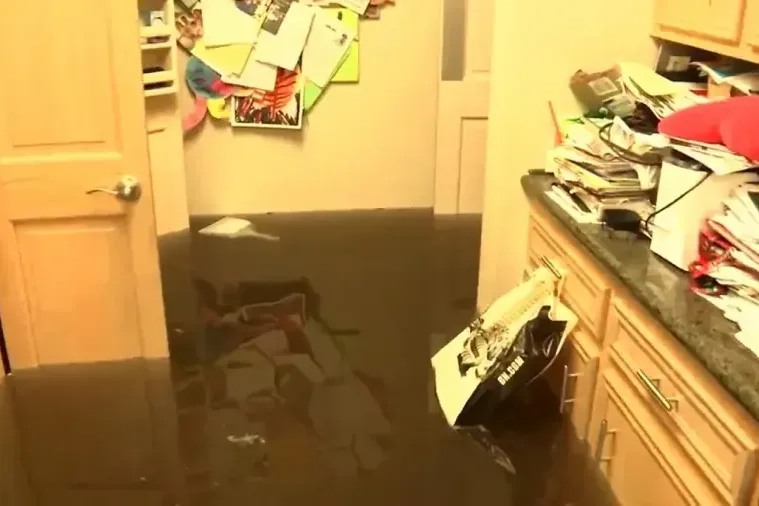
Why water gets into Shelby homes
The city was chartered in 1843, grew with the railways of the 1870s and turned to textiles in the 1920s. Three National Register historic districts keep older homes and buildings part of the local stock.
- Clay soil and heavy rain: The county sits in the Piedmont belt, where the soil is mostly clay, and it averages about 48 inches of rain a year, so hard storms send water toward foundations and into crawl spaces.
- Creeks near homes: Hickory Creek drains the eastern half of the city, and Buffalo Creek runs the length of the county; a 2007 Federal Register flood notice lists both.
- Wind and falling trees: Strong storms bring down limbs and trees, as Helene did, and a roof opened by a tree lets rain reach the attic and the ceilings below.
- Older buildings: Historic homes and storefronts have plaster, wood floors and heavy framing that hold water longer and need slower, measured drying.
- Runoff warnings: An August 21, 2013 National Weather Service flash flood warning named the city among places expected to flood from runoff.
September 27, 2024: Hurricane Helene brought heavy rain and strong wind across Cleveland County, downing trees and power lines, and building inspectors later helped residents assess compromised buildings.
Every category of water loss handled in the area
The category of water sets the plan, because it decides which materials can be dried where they are and which must be removed.
Category 1: clean water
A broken supply pipe, a water heater or an ice maker. Handled quickly, carpet, pad and drywall can usually be dried where they are.
Frozen and burst pipe helpCategory 2: gray water
An overflowing washer, dishwasher or toilet without waste. Carpet pad is usually removed, and surfaces are treated with an antimicrobial.
Appliance leak dryingCategory 3: black water
Sewage, storm runoff and creek water. Work areas are sealed, crews wear protective gear and porous materials the water touched are removed.
Sewer backup cleanupCommon water damage questions in Shelby
How quickly can help reach a water loss in Shelby?
Dispatch runs day and night, and active water gets urgent handling. Arrival depends on weather, roads and how many jobs are open, so begin the first steps while the crew is on the way.
How many days does a dry-out usually take?
Most clean-water losses dry in three to five days. Plaster, hardwood and wet framing in older buildings take longer. The equipment comes out when readings match dry material, not on a fixed date.
What does IICRC S500 mean for my home?
S500 is the restoration industry's standard for water damage. It defines water categories, classes of loss and how drying is measured, so the job is judged by numbers rather than by feel.
Who should be called about the city sewer system?
The city runs its own utilities department, which covers water and sewer, and its Water Resources staff are on call 24 hours a day, 7 days a week. Inside the house, the job is sewer backup cleanup.
Does homeowners insurance pay for water damage?
A sudden break, such as a split pipe, is often covered. Storm runoff and creek water usually fall under flood insurance, and sewer backups often need a separate endorsement. Check your own policy; a complete file helps either way.
What should happen in the first hour?
Close the main valve, switch off breakers for wet rooms if the panel is dry, stop using drains during a backup and photograph the damage before moving anything. Then call to get extraction started.
Does wet drywall always need to be removed?
Not always. Drywall soaked by clean water can often be dried in place with the baseboards off. Drywall touched by sewage, storm runoff or creek water is cut out above the highest wet reading.
Why is creek or storm water treated like sewage?
Runoff and creek overflow pick up soil, chemicals and bacteria on the way in. The restoration standard treats that water as Category 3, so porous materials it touched are removed and surfaces are disinfected.
How is the price of a water damage job worked out?
The water category, the size of the wet area, the materials involved and the time before drying began all set the price. Clean water caught early costs far less than sewage or runoff found days later.
Are older homes in the historic districts harder to dry?
Often, yes. Plaster walls, wood floors and heavy framing release water slowly, so drying takes more days and more readings. The aim is to dry the original materials rather than tear them out.
Leak, backup or storm water at home? Get the drying underway.
Water removal, structural drying and a claim-ready file at any hour, across the city and Cleveland County.
(888) 532-8921Bring pumps and dehumidifiers over