Ceiling Leak Water Damage in Spartanburg, SC
A stain, a bubble or a sag overhead means water is trapped between floors or under the roof. The drying team opens the ceiling, lets the water out and dries the framing before the damage spreads.
(888) 532-8921Phone about the sagging ceiling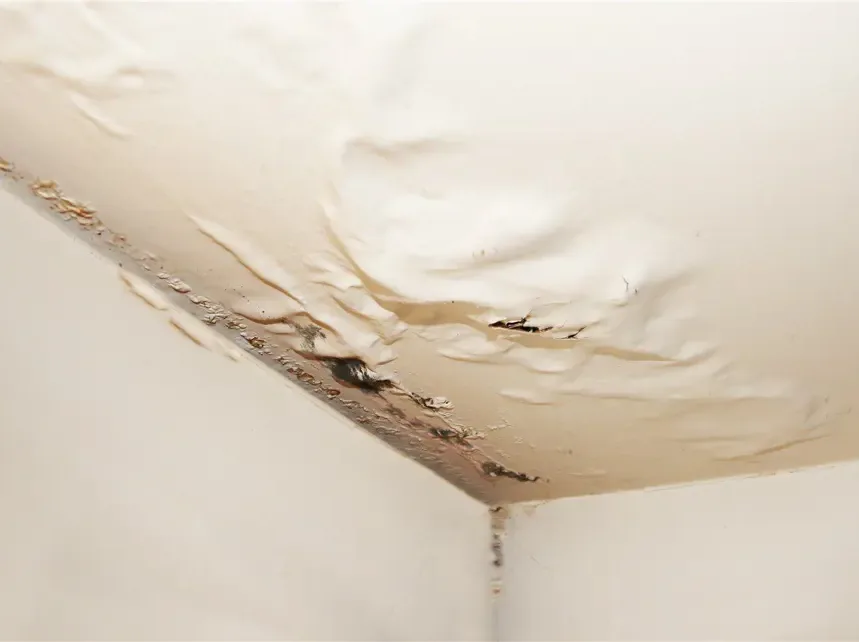
What a proper ceiling leak water damage job includes
Water damage is a drying problem first. The restoration team measures, extracts and dries to a reading, then records each step so the claim file holds up.
Dispatch at any hour
Active water is treated as urgent around the clock, weekends and holidays included, because drywall and subfloor keep soaking while water sits.
Dried to the IICRC S500 standard
Air movers and LGR dehumidifiers are sized to the class of loss, and materials are dried to within 2 to 4 points of a dry reference.
A claim file from the first visit
Moisture maps, daily psychrometric logs and timestamped photos taken before any demolition go into one file for the adjuster.
Planned for Piedmont houses
Crawl spaces over red clay, older mill houses and manufactured homes each dry differently, so the plan starts from how the house is built.
First steps for ceiling leak water damage
- Keep clear of the sag
Move people, pets and furniture out of the room below a bulging ceiling.
- Place a bucket
Catch dripping water, and move rugs and valuables away from the spot.
- Shut off the source
If a pipe above is leaking, close the main valve right away.
- Photograph the stain
Take pictures of the ceiling, the room and the spread of the stain.
What does ceiling leak water damage cost in Spartanburg, SC?
Ceiling leak water damage in Spartanburg typically costs $800 to $12,000 or more. A small stain caught early is the least costly, while a leak that wet the ceiling, walls and floor below takes the most work.
Small stain, caught early
- Section opened
- Insulation checked
- Joists dried
Ceiling opened
- Wet drywall removed
- Insulation replaced later
- Cavity dried
Ceiling, walls and floor below
- Wall cavities opened
- Flooring lifted
- Longer drying
Ranges are typical, not a quote. Water category, square footage, material class and how fast drying started move the number most. Try the water damage cost calculator for a closer range.
How ceiling leak water damage is handled, step by step
- 1
Check
Meters map the wet ceiling and walls
- 2
Open
A section is cut to drain trapped water
- 3
Remove
Wet drywall and insulation come out
- 4
Dry
Equipment runs until the cavity reads dry
A ceiling hides whatever is above it, and that is exactly the problem. Water from a roof, an attic or an upstairs bathroom collects on the drywall until the paper softens and the board begins to sag. Older buildings, from the houses of Hampton Heights Historic District to the oldest Morgan Square buildings, dating to the 1880s, often hide leaks behind layered finishes.
Where the water comes from
- A failed roof surface or flashing above the attic
- A leaking supply pipe or drain in the floor above
- An overflowing tub, sink or washing machine upstairs
- Condensation from an air handler or duct in the attic
Stain or sag overhead? Tell the drying team what the ceiling looks like.
(888) 532-8921Ask the overhead leak crewWhy the ceiling gets opened
Trapped water has weight and nowhere to go, and a full ceiling can come down without warning. Opening a section lets the water drain, exposes the joists and insulation to meter readings and gives airflow a path into the cavity. A small controlled opening is far less costly than an uncontrolled collapse. The edges of the opening are cut back to dry, solid drywall.
What happens next
Once the cavity reads dry, the opening can be patched and painted. If the leak came through the roof, the roof leak service covers the attic side, and a pipe source falls under burst pipe water damage. Fixing the source first keeps the same stain from returning.
Ceiling leak water damage across Spartanburg and nearby towns
The drying team handles ceiling leaks in houses and commercial buildings across the city, from Hampton Heights Historic District and Beaumont Village to the downtown blocks near Morgan Square and Chapman Cultural Center.
The same service nearby: ceiling leak water damage in Gaffney, Union, Forest City.
Water damage restoration in Spartanburg · every town covered
Related water damage services in Spartanburg
Common questions about ceiling leak water damage
Why does a ceiling stain keep growing?
Water usually keeps arriving from a roof, pipe or fixture until the source is fixed. Stains also spread outward as the drywall wicks moisture, so a stain that looks small can sit above a much wetter area.
Is it safe to leave a sagging ceiling?
No. A bulging ceiling is holding a lot of water and can collapse. Stay out from below it, and have a section opened in a controlled way so the water can drain and the framing can be inspected.
Can the ceiling just be painted over?
Painting over a stain traps moisture and leaves the leak untreated, and the stain usually bleeds back through. The wet section should dry first, and paint belongs after meter readings confirm it.
Does an older ceiling dry differently?
Plaster and layered finishes, common in historic buildings, hold moisture longer than a single sheet of drywall. Drying is slower and relies on meter readings, with airflow set up gradually so older materials are not stressed.
Who pays for repairs after a ceiling leak?
That depends on the policy and on where the water came from. Sudden pipe or storm leaks are often covered, while slow seepage may not be, so ask the insurer and keep dated photos.
How long until the ceiling can be patched?
Once readings show the joists and insulation are dry, which commonly takes several days, the opening can be patched. Closing it up early traps moisture and invites mold.
Ceiling leaking or sagging? Get it opened and dried.
Trapped water and wet insulation sit where nobody can see them. The crew opens a section, drains the water and dries the joists until the readings agree.
(888) 532-8921Open and dry the ceiling