Crawl Space Water Removal in Shelby, NC
Rain that runs off clay soil, or a pipe that fails under the floor, can leave water standing beneath a house for days. The extraction crew pumps it out, removes soaked insulation and dries the joists to a tested reading.
(888) 532-8921Water pooling under the floor? Get it pumped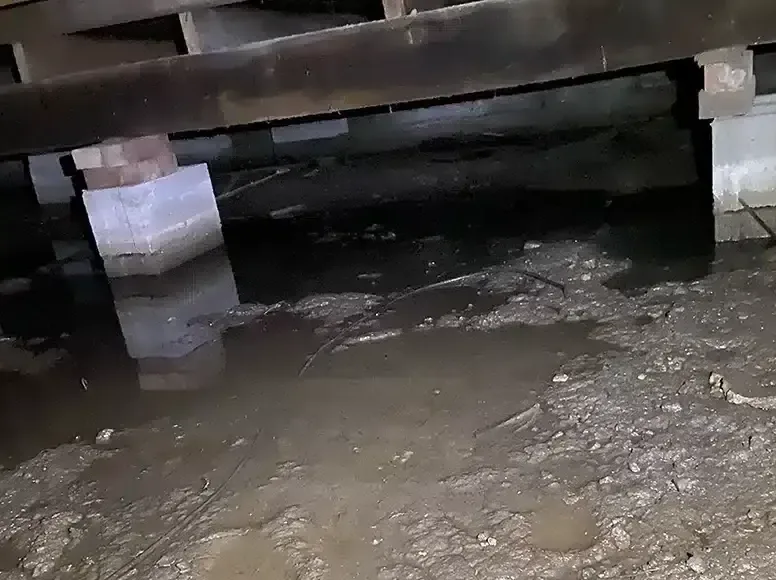
What a proper crawl space water removal job includes
Water damage is a drying problem first. The restoration team measures, extracts and dries to a reading, then records each step so the claim file holds up.
Dispatch at any hour
Active water is treated as urgent around the clock, weekends and holidays included, because drywall and subfloor keep soaking while water sits.
Dried to the IICRC S500 standard
Air movers and LGR dehumidifiers are sized to the class of loss, and materials are dried to within 2 to 4 points of a dry reference.
A claim file from the first visit
Moisture maps, daily psychrometric logs and timestamped photos taken before any demolition go into one file for the adjuster.
Planned for Piedmont houses
Crawl spaces over red clay, older mill houses and manufactured homes each dry differently, so the plan starts from how the house is built.
First steps for crawl space water removal
- Check from the door
Shine a flashlight in from the access door, and do not crawl in if water sits near wiring.
- Stop the source
Close the main valve if a pipe under the floor is leaking, and switch off the water heater.
- Hold off on drains
If the water smells like sewage, skip flushing and laundry until a plumber checks it.
- Document it
Photograph the standing water and the insulation before anything is pulled out.
What does crawl space water removal cost in Shelby, SC?
In Shelby, NC, crawl space water removal typically runs $1,500 to $18,000, set by how much water is standing, how much insulation is soaked, whether sewage is involved and how long the wood stayed wet.
Quick pump-out
- Standing water removed
- Ground cover checked
- Dehumidifier placed
Soaked insulation and framing
- Insulation bagged and removed
- Joists and sills dried
- Readings every day
Sewage or weeks of water
- Category 3 cleanup
- Soil and debris treated
- Longer drying
Ranges are typical, not a quote. Water category, square footage, material class and how fast drying started move the number most. Try the water damage cost calculator for a closer range.
How crawl space water removal is handled, step by step
- 1
Pump
Submersible pumps clear the standing water.
- 2
Bag and remove
Wet insulation and debris come out.
- 3
Dry the framing
Dehumidifiers and air movers run under the floor.
- 4
Confirm
Daily joist and subfloor readings until dry.
Shelby sits in the Piedmont belt of Cleveland County, where the soil is mostly clay and the county averages about 48 inches of rain a year. Clay takes water in slowly, so a heavy storm sends runoff across the yard toward the foundation, and the low corner of a crawl space collects it. A failed pipe or water heater under the floor does the same from above, out of sight.
Clues that water is under the house
- Puddles or dark, soaked soil seen from the crawl space door
- Insulation hanging loose, dripping or lying on the ground
- Soft or springy floors near a bathroom or the kitchen
- A damp smell indoors that lingers for days after rain
Water standing under the house? The extraction crew handles crawl spaces at any hour.
(888) 532-8921Schedule the under-floor pump-outHow the space is pumped and dried
Submersible pumps clear the standing water first. Soaked insulation, wet debris and any torn plastic ground cover are bagged and carried out. The tech maps the joists, sills and the underside of the subfloor with a moisture meter, then sets dehumidifiers and air movers beneath the house for structural drying. The same spots are measured each day until the wood matches a dry reference board.
Storms, runoff and warnings
When Hurricane Helene crossed Cleveland County on September 27, 2024, heavy rain and strong wind brought trees down across the county, and storms like that can push water under houses for days. The National Weather Service issues flash flood warnings for runoff here, and after Helene, Cleveland County Building Inspections helped residents assess compromised buildings. Stay out of a flooded crawl space until the power is off.
Crawl space water removal across Shelby and nearby towns
Crawl space work runs across ZIP codes 28150, 28151 and 28152, from the uptown blocks and the three historic districts to the homes along U.S. Route 74, South Lafayette Street and NC Highway 18.
The same service nearby: crawl space water removal in Gaffney, Kings Mountain, Forest City.
Related water damage services in Shelby
Common questions about crawl space water removal
How many days does a crawl space take to dry?
Usually four to ten days once the standing water is gone. Framing that sat wet for weeks, or a space with little airflow, needs more time and more readings.
Should wet insulation under the floor be replaced?
Almost always. Batts that soak up water stay heavy against the subfloor and block drying, so they are bagged, removed and replaced once the wood tests dry.
Can water under the house hurt the floors above?
Yes. Joists and subfloor that stay wet lose strength, and wood flooring above them can cup or soften. Drying the space early usually protects the floor; the Shelby water damage page covers the rest of the house.
Why does water collect under the floor after heavy rain?
Clay soil takes in water slowly, so heavy rain runs across the surface toward the foundation. Downspouts that empty against the wall and low spots under the house add to it.
Does insurance pay for crawl space water removal?
Water from a sudden pipe failure is often covered. Groundwater, flooding and slow leaks are treated differently, so read your own policy and ask the insurer early.
What does crawl space water removal cost in this area?
Most jobs fall between $1,500 and $18,000. A fast pump-out sits at the low end, while soaked insulation, sewage or weeks of water raise the total.
Crawl space flooded after rain? Get the wood dried.
Insulation, joists and subfloor absorb water that sits below a house. The crew removes it, then dries the framing to a tested reading.
(888) 532-8921Dry the space under the floor