Storm and Flash Flood Cleanup in Shelby, NC
Storm water brings mud, debris and a lot of moisture into a home at once. The extraction crew removes the water, hauls out what it ruined and starts the drying before the damage settles in.
(888) 532-8921Call now about the storm water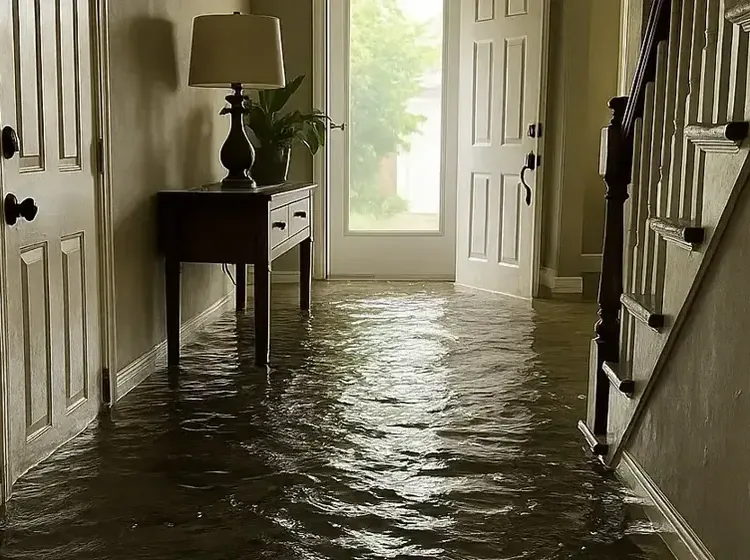
What a proper storm and flash flood cleanup job includes
Water damage is a drying problem first. The restoration team measures, extracts and dries to a reading, then records each step so the claim file holds up.
Dispatch at any hour
Active water is treated as urgent around the clock, weekends and holidays included, because drywall and subfloor keep soaking while water sits.
Dried to the IICRC S500 standard
Air movers and LGR dehumidifiers are sized to the class of loss, and materials are dried to within 2 to 4 points of a dry reference.
A claim file from the first visit
Moisture maps, daily psychrometric logs and timestamped photos taken before any demolition go into one file for the adjuster.
Planned for Piedmont houses
Crawl spaces over red clay, older mill houses and manufactured homes each dry differently, so the plan starts from how the house is built.
First steps for storm and flash flood cleanup
- Check the power first
Keep the electricity off in any room with standing water.
- Pump the storm water
Pumps clear the floor, working down from the highest water mark.
- Clear mud and debris
Silt is shoveled out and porous items are removed.
- Dry the structure
Cut drywall and set equipment until readings drop.
What does storm and flash flood cleanup cost in Shelby, SC?
Storm and flash flood cleanup in Shelby runs from $3,500 for a garage or one room to $40,000 or more for a whole lower floor. Depth, mud, and how many materials must be removed decide where a job lands.
Garage or one room
- Floodwater pump-out
- Mud removal
- Drying setup
Several rooms and the crawl space
- Multi-room tear-out
- Crawl space pumping
- Extended drying
Whole lower floor
- Full floor cleanup
- Drywall and flooring removal
- Long drying run
Ranges are typical, not a quote. Water category, square footage, material class and how fast drying started move the number most. Try the water damage cost calculator for a closer range.
How storm and flash flood cleanup is handled, step by step
- 1
Call
Describe the flood and the power status.
- 2
Pump
Storm water is removed and mud cleared.
- 3
Tear out
Soaked materials leave the house.
- 4
Dry
Equipment runs until readings normalize.
Hurricane Helene hit on September 27, 2024, bringing heavy rain and strong wind that downed trees and power lines across Cleveland County. A National Weather Service flash flood warning on August 21, 2013 named Shelby and Boiling Springs among the places expected to see flooding from runoff, and that is the kind of event this work is built around. Hickory Creek drains the eastern half of Shelby, and Buffalo Creek runs the length of the county.
What storm water leaves behind
- Silt, mud and yard debris tracked across floors and into cabinets.
- Water in carpet, pad, drywall and insulation that keeps spreading.
- Contaminants from the outside that make wet materials unsafe to keep.
Storm water in the house? Call now, any hour, and describe how high it rose.
(888) 532-8921Ask about the flood cleanupThe order of the work
Pumps clear the standing water as in water extraction, then the crew shovels out mud and removes porous materials that floodwater touched. Wet drywall is cut above the high-water mark, and the structure is dried with air movers and dehumidifiers. Structural drying finishes the job once the outside material is gone.
Before the cleanup starts
Stay out of flooded rooms until the power is confirmed safe. Cleveland County Building Inspections helped residents assess compromised buildings and damaged electrical equipment after the storm, and the same care applies after any flood. Photograph the damage before anything is moved.
Storm and flash flood cleanup across Shelby and nearby towns
Flood cleanup covers Shelby, including the eastern side drained by Hickory Creek, homes near U.S. Route 74 and properties around the center, in ZIP codes 28150, 28151 and 28152, wherever storm water has reached a house.
The same service nearby: storm and flash flood cleanup in Gaffney, Kings Mountain, Forest City.
Related water damage services in Shelby
Common questions about storm and flash flood cleanup
Is floodwater different from a pipe leak?
Yes. Floodwater carries soil, debris and contaminants from outside, so the materials it soaks are treated differently from those wet by a clean supply leak, and more of them usually come out.
Can a flooded home be dried instead of torn out?
Parts of it can. Hard flooring and framing often dry in place, while carpet, pad and soaked insulation do not. The decision follows what the water touched and for how long.
Do the flash flood warnings mean homes flooded?
A warning means flooding was expected, not that homes were damaged. The 2013 warning that named the town was a forecast of runoff, and cleanup depends on what actually happened to each house.
Should the mud be removed before the water?
Pumping comes first so the crew can reach the floor. Mud is shoveled out right after, since it holds moisture against flooring and keeps contaminants close to the structure.
What should be photographed?
The water level on walls, the damaged items and any outside source of the flood. Pictures before cleanup help with the insurance claim and show what was removed later.
Is the crawl space part of a flood cleanup?
It can be. Water that enters a house often reaches the space beneath it, and crawl space pumping and drying are added when readings or visible water show it is wet.
Get the storm water out
The extraction crew, the drying team and local water damage pros handle the whole job after a flood, from the pumps to the last meter reading.
(888) 532-8921Call about the flooding