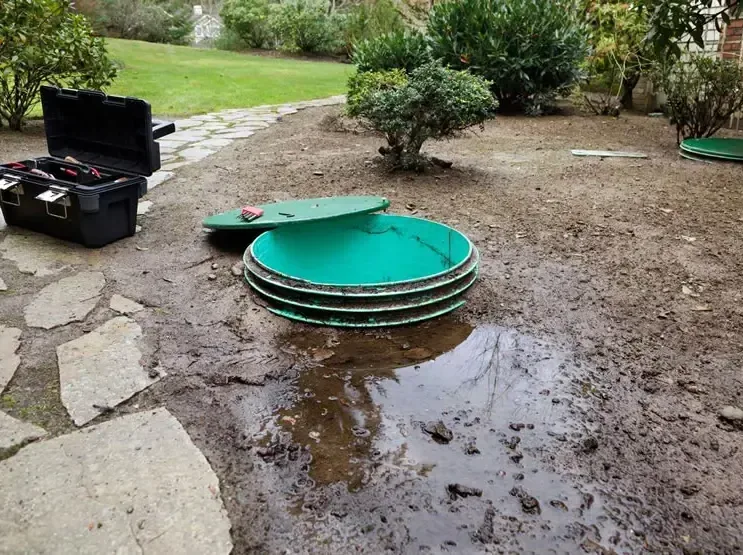
A sewage backup turns a bathroom or basement into a health problem in minutes. In Union, where the city has moved to finish sewer upgrades around the mill villages, the first rule is the same as anywhere: treat the water as contaminated and keep people out.
Key takeaways
- Sewage is Category 3 water, which means porous materials that touched it are removed and surfaces that stay are cleaned and treated.
- City council approved a $955,000 city match in March 2023 to finish sewer upgrades in Buffalo, Excelsior and the Union Mill area.
- The project covers 60 homes and two churches, with 45 manholes, and the City Administrator hoped it would also help with rainwater infiltration.
- Heavy rain can overload sewer pipes, so a backup often shows up during or right after a storm.
- Keep photos and the drying and treatment records; they support the insurance claim.
Why a sewage backup is different
Sewage carries bacteria, viruses and parasites. Even a small spill on a bathroom floor can spread through wicking, footsteps and cleaning cloths.
IICRC S500 classifies it as Category 3, the most contaminated level. That label shapes everything that follows: protective gear for the crew, removal of porous materials and disinfecting of what remains.
The danger is not only the visible spill. Splashes and droplets reach nearby surfaces, so cleanup covers a wider area than the puddle itself.
Pets and small children are most at risk because they spend time at floor level.
- Keep children, pets and anyone with a weak immune system out of the area.
- Do not run bath, sink or washer water, which adds to the backup.
- Do not wipe sewage up with household towels or mops.
- Open windows if it is safe, and close doors to the affected area.
- Leave fans off until the crew places them, since air movement can spread droplets.
How rain and sewer pipes meet
Sewer pipes are built to carry waste, not storm water. When heavy rain seeps into old pipes or joints, the extra flow can overload the system and push waste back toward the lowest drains in a house.
That seepage is called rainwater infiltration. In March 2023, the City Administrator said the sewer areas around the mill villages had fallen out of earlier grant projects and hoped the new work would also help with rainwater infiltration.
A backup during heavy rain points to the system, while a single drain that backs up on a dry day points to a blockage in the house's own drain. A plumber can tell which one it is, and the result affects who fixes what.
Sewer work is a long project, and a household cannot count on it to prevent the next backup.
The 2023 sewer upgrades in the mill villages
In March 2023, Union City Council approved a $955,000 city match to finish sewer upgrades in Buffalo, Excelsior and the Union Mill area. At that time, the city and county were applying for an $840,000 Community Development Block Grant for the project.
The work covers 60 homes and two churches, with 6,000 linear feet of sewer and 45 manholes. Whether the grant came through and whether the work is finished are questions the city can settle.
For a household in those areas, the project is background rather than a promise. A backup in any one house still needs its own response.
- Area covered: Buffalo, Excelsior and the mill area.
- Scope: 60 homes, two churches and 45 manholes.
- City match approved: $955,000.
- Grant under application at the time: $840,000.
First steps in a sewage backup
Stopping the source and protecting people come first. A plumber can clear a blocked drain, but the cleanup is a separate job that needs trained crews and the right equipment.
A plumber's snake or camera can clear or find the blockage, but sewage that has already reached the floor stays a cleanup job even after the drain runs.
- Stop using water fixtures in the house.
- Keep the household out of the affected rooms.
- Take photos of the backup and any damaged items before cleanup starts.
- Contact a plumber for the blockage and a restoration crew for the cleanup.
What gets removed and what gets treated
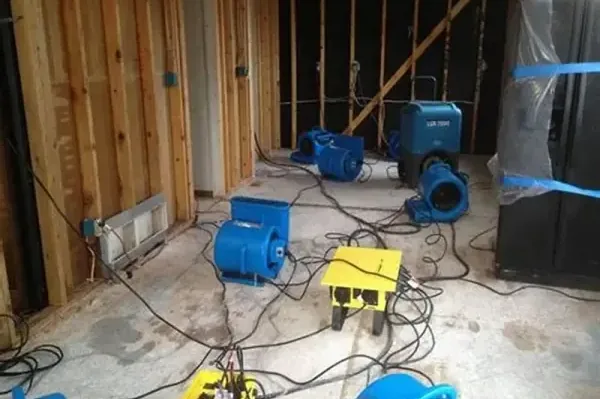
The crew removes what cannot be made safe: carpet and pad, the lower portion of drywall, insulation and soaked particleboard. Hard surfaces and framing that stay are cleaned and treated.
That scope is the core of sewage backup cleanup, and it ends with drying and readings to confirm that moisture is gone.
Work areas are sectioned off so contamination does not travel to clean rooms. Waste is bagged and carried out by a route that avoids dragging it through the house.
Treatment is more than a wipe-down. Surfaces are cleaned first, then treated with a disinfectant, and readings confirm that the structure is drying.
- Porous materials removed and bagged.
- Floors, walls and framing cleaned and treated.
- Air movers and dehumidifiers placed to dry what remains.
- Final readings recorded for the insurer.
Older houses and mill village buildings
The Buffalo mill village near the city was built by Thomas Duncan in 1900, and its housing ranges from large Queen Anne style supervisor's houses to shingle-style bungalows to simple one-story workers' houses. Older construction brings layered finishes and old flooring that can hide moisture.
A crew checks what lies under old finishes before deciding what to remove. The same care applies to any storm and flood cleanup in an older house, where runoff and backup can overlap.
Layers of old flooring can hide the reach of a backup. The crew lifts coverings at the edge of the wet area, checks the layer below and keeps going until the readings and the eye agree.
Records and insurance
Many policies cover sewer backup only with an added endorsement. The policy decides, so it is worth reading early, and the claim can be opened with the insurer right away.
The insurer will ask for dated photos, a description of what happened and the cleanup and treatment records. For the same scope in other rooms and cases, the main page on sewage and septic backup cleanup lays out the typical steps.
Dated photos, notes of what was discarded and the treatment records all go into the file.
Questions
Why is sewage treated differently from other water?
It carries bacteria, viruses and parasites, so IICRC S500 classifies it as Category 3. Porous materials are removed and surfaces are cleaned and treated.
Can heavy rain cause a sewage backup?
Yes. Rain can seep into sewer pipes and overload the system, which can push waste back toward the lowest drains in a house.
What did the city council approve in March 2023?
A $955,000 city match to finish sewer upgrades in Buffalo, Excelsior and the Union Mill area, covering 60 homes and two churches.
Can a household clean up a small sewage spill?
Small spills still carry contamination. Wiping with household towels spreads it, so a trained crew with protective gear is the safer route.
Does homeowners insurance cover sewage backup?
Many policies cover it only with an added endorsement. The policy decides, so check it early.
How can a household tell a blockage from a system backup?
A single drain that backs up on a dry day points to a blockage in the house. Several drains backing up during heavy rain points to the sewer system, and a plumber can tell which.